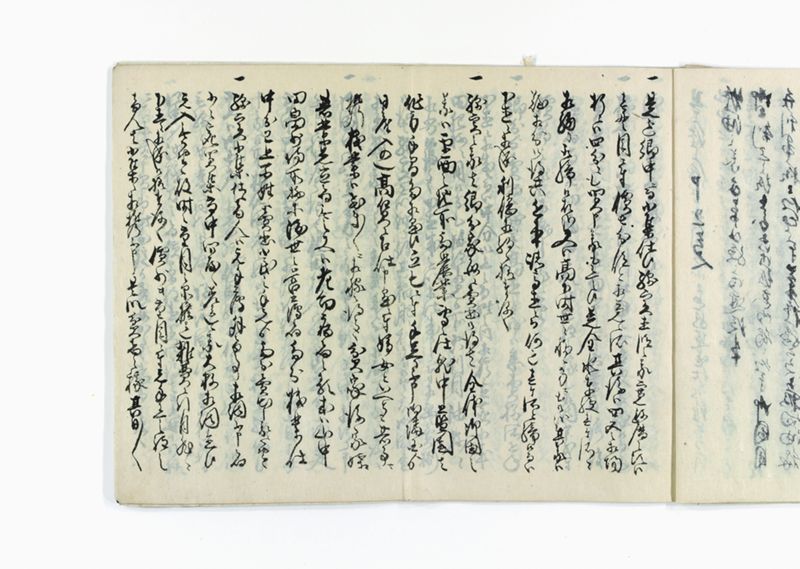
翻刻
是迄郷中に而小集仕候綿実直段之義寬政暦之頃は
壱貫目に付価七分位と相覚候所其後は四五之相場
折には四分にも買申義も有之候是全水車絞壱ケ所に
相約り取締候故哉又は高下時世に移候方にも候哉其義は
難相分候得共近来諸高直に而何連壱ケ所に締候而は
下直に相成利得相約候様奉存候
一綿実之義者郷分家毎に売出候得者全体御国之
義は平面之地所多農業専に仕就中藍園者
作方手間多相懸候立毛に付手足り不申御隣国ゟ
日雇入込高賃に召仕申懸に付婦女といへとも其事に
携機業はひま〳〵に相稼候得とも貧家後家嫁
農業覚先立者無之又は老幼病者之類或は山中
田畠少場所柄等渡世之営薄者多分機業仕
中分已上百姓へ売出小民之手元ゟ多分売出申義に御坐候
一綿実小集仕候商人は元手薄外商事相調不申者
少々宛買集市中問屋へ差送候義大数相調置候
元入無御坐候故時々重目之品擔【見せ消ち】迄雑費に引自然に
下直に相成候様奉存候価少き重目に付元手有之程之
商人者小集に相携不申是以貧者之稼其日〳〵
現代語訳
これまで郷中にて小集め仕り候綿実直段の件、寛政暦の頃は
一貫目につき価七分位と相覚え候ところ、その後は四五の相場、
折には四分にも買い申すことも之れ有り候。これ全く水車搾り一ヶ所に
相約り取り締め候故か、又は高下時世に移り候方にも候か、その件は
相分かり難く候得共、近来諸高直にて何れにしても一ヶ所に締め候ては
下直に相成り利得相約り候様存じ奉り候。
一、綿実の件は郷分家毎に売り出し候得ば、全体御国の
件は平面の地所多く農業専らに仕り、就中藍園は
作り方手間多く相懸り候立毛につき手足り申さず、御隣国より
日雇い入り込み高賃に召し仕い申し懸けにつき、婦女といえどもその事に
携わり、機業は暇々に相稼ぎ候得とも、貧家・後家・嫁・
農業覚え立つ者無く、又は老幼病者の類或いは山中
田畠少なき場所柄等、渡世の営み薄き者多分機業仕り、
中分以上百姓へ売り出し、小民の手元より多分売り出し申すことに御座候。
一、綿実小集め仕り候商人は元手薄く外商事相調え申さざる者、
少々宛買い集め市中問屋へ差し送り候件、大数相調え置き候
元入御座なき故、時々重目の品担ぐまで雑費に引かれ自然に
下直に相成り候様存じ奉り候。価少なき重目につき元手之れ有る程の
商人は小集めに相携わり申さず。これ以て貧者の稼ぎその日々
英語訳
Regarding the prices of cotton seeds that have been collected in small quantities in rural areas up to now, around the Kansei calendar period, they were remembered to cost about seven bu per kanme, but afterwards the market rate was four or five bu, and sometimes they were purchased for as low as four bu. This may be entirely because water-wheel pressing was contracted and controlled at one location, or it may be due to the changing times of price fluctuations. Although this matter is difficult to determine, recently with high prices for various goods, limiting operations to one location would result in lower prices and reduced profits.
Item 1: Regarding cotton seeds, if each household in rural areas sells them, generally our domain has many flat areas where agriculture is the primary occupation. Especially indigo cultivation requires much labor and effort as standing crops, and since there are not enough hands, day laborers are brought in from neighboring domains at high wages. Even women are involved in this work, and while textile work can be done in spare time, there are many poor households, widows, daughters-in-law, those without agricultural knowledge, elderly, young, and sick people, or those in mountainous areas with little farmland where livelihoods are meager. Many of these engage in textile work, selling to middle-class or higher farmers, with much being sold from the hands of common people.
Item 1: The merchants who collect cotton seeds in small quantities have little capital and cannot manage other commercial activities. They buy small amounts and send them to urban wholesalers. Since they do not have large amounts prepared or capital investment, they are occasionally burdened with miscellaneous expenses up to carrying heavy goods, which naturally results in lower prices. Due to the low prices and heavy weight, merchants with sufficient capital do not engage in small-scale collection. This is the daily livelihood of the poor.