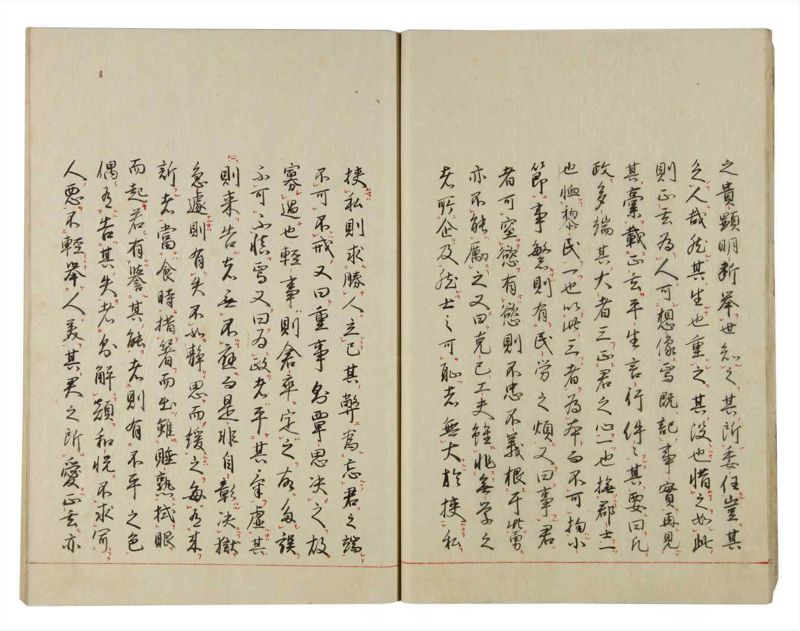
翻刻
之貴-顕明-断挙 ̄テ_レ世知 ̄ル_レ之 ̄ヲ其 ̄ノ所 ̄ロ_二委任 ̄スル_一豈 ̄ニ其
乏 ̄ンヤ_レ人 ̄ニ哉然 ̄ルニ其 ̄ノ生 ̄ルヤ也重 ̄ンシ_レ之 ̄ヲ其 ̄ノ没 ̄スルヤ也惜 ̄ムコト_レ之 ̄ヲ如 ̄シ_レ此 ̄ノ
則正-玄為 ̄リ_レ人 ̄ト可想-像 ̄シ_二焉既 ̄ニ記 ̄メ_二事実 ̄ヲ_一再 ̄ヒ見 ̄ルニ_二
其 ̄ノ稾 ̄ヲ_一載 ̄ス_二正-玄 ̄カ平-生言-行件-之 ̄タルヲ_一其 ̄ノ要 ̄ニ曰 ̄ク凡 ̄ソ
政 ̄コト多-端其 ̄ノ大-者三 ̄ッ正 ̄ス_二君之心 ̄ヲ_一一 ̄ッ也捶 ̄ツルコト_二郡-士 ̄ヲ_一一 ̄ッ
也恤 ̄ムコト_二黎-民 ̄ヲ_一一 ̄ッ也以 ̄テ_二此 ̄ノ三 ̄ッノ者 ̄ヲ_一為_レ本 ̄ト而不_レ可_レ拘 ̄ハル_二小
節 ̄ニ_一事繁 ̄キスハ則有 ̄リ_二民-労之煩 ̄ヒ_一又 ̄タ曰 ̄ク事 ̄ッル_レ君 ̄ニ
者可_レ室 ̄サク_レ慾 ̄ヲ有 ̄スハ_レ慾則不-忠不-義根 ̄ス_二干此 ̄ニ_一勇 ̄モ
亦不_レ能 ̄ハ_レ励 ̄スコト_レ之 ̄タ又曰 ̄ク克-己 ̄ノ工-夫鮏 ̄トモ_レ非 ̄スト_三無-学之
者所 ̄ニ_二企 ̄テ及_一然 ̄レトモ士之可 ̄キ_レ恥 ̄ッ者無大 ̄ナルハ於狭 ̄ムヨリ_レ一私 ̄ヲ
狭 ̄ムスハ_レ私則求 ̄ム_二勝 ̄チ_レ人 ̄ニ立 ̄ンコトヲ_一レ己其 ̄ノ弊 ̄エ為 ̄ル_二忘 ̄ルゝノ_レ君 ̄ヲ之端 ̄シト_一
不_レ可_レ不_レ戒 ̄メ又曰 ̄ク重事則覃-思決 ̄メ_レ之 ̄ヲ故
募 ̄シ_レ過 ̄チ也軽-事 ̄ハ則倉-卒 ̄ニ定 ̄ム_レ之 ̄ヲ故 ̄ニ多 ̄シ_レ誤 ̄リ
不_レ可_レ不_レ慎 ̄マ焉又 ̄タ曰 ̄ク為 ̄ス_レ政 ̄ヲ者 ̄ハ平 ̄ヶ_二其気 ̄ヲ_一虚 ̄ルスハ_二其 ̄ノ
心 ̄ヲ_一則来 ̄リ告 ̄ル者無_レ不 ̄ルコト_レ応 ̄ニ而是-非自-彰 ̄ハル決 ̄スルコト_レ獄 ̄ヲ
急-遽 ̄ナルスハ則有 ̄リ_レ失不_レ如 ̄カ静 ̄カニ思 ̄ヒ而 ̄メ緩 ̄スルニハ_レ之 ̄ヲ毎 ̄ニ_レ有_二来 ̄リ
新 ̄フル者_一当 ̄レハ_二食時 ̄ニ_一措 ̄テ_レ箸 ̄ヲ而出 ̄ッ雖 ̄トモ_二睡-熟 ̄スト_一拭 ̄テ_レ眼 ̄ヲ
而起 ̄キ若 ̄シ有 ̄レハ_下誉 ̄ル_二其 ̄ノ能 ̄ヲ_一者_上則有_二不-平之色_一
偶 ̄ゝ有 ̄レハ_下告 ̄ル_二其 ̄ノ失 ̄ヲ_一者_二則解 ̄ヒテ_レ顔 ̄ヲ和-悦 ̄ス不_レ求_レ聞 ̄クコトヲ_二
人 ̄ノ悪 ̄ヲ_一不_三軽 ̄ヽシク挙 ̄ヶ_二 人 ̄ノ美 ̄ヲ_一其 ̄ノ霊之所 ̄ロ_レ愛 ̄スル正-玄 ̄モ亦
現代語訳
その貴く顕らかで明断であることは世に挙げ知られており、その委任するところは、どうして人に乏しいことがあろうか。しかしその生きている時はこれを重んじ、その没した時はこれを惜しむこと、このようであった。
則ち正玄が人となりは想像することができる。既に事実を記し、再びその稿を見るに、正玄の平生の言行の件々を載せている。その要は曰く「凡そ政事は多端であるが、その大なるもの三つがある。君の心を正すこと一つ、郡士を率いること一つ、黎民を恤むこと一つである。この三つのものを以て本となし、小節に拘われてはならない。事が繁雑になれば則ち民労の煩いがある」と。また曰く「君に事える者は慾を去るべきである。慾があれば則ち不忠不義がここに根ざし、勇もまたこれを励ますことができない」と。また曰く「克己の工夫は、たとえ無学の者の企て及ぶところでないとしても、しかし士の恥ずべきことで私を狭むより大なるはない。
私を狭めば則ち人に勝ちて己を立てることを求め、その弊害は君を忘るることとなる端である。戒めずにはいられない」と。また曰く「重事は則ち深く思って之を決めるゆえに過ちは少ない。軽事は則ち倉卒に之を定めるゆえに誤りが多い。慎まずにはいられない」と。また曰く「政を為す者は、その気を平らかにし、その心を虚しくすれば、則ち来り告ぐる者で応じないことはなく、是非は自ら彰らかになる。獄を決するに急遽であれば則ち失があり、静かに思って之を緩くするに如かない。新たに来る者がある毎に、食事時に当たれば箸を措いて出で、睡り熟していても眼を拭って起きた。もし其の能を誉める者があれば、則ち不平の色があり、偶々其の失を告ぐる者があれば、則ち顔を解いて和悦した。人の悪を聞くことを求めず、軽々しく人の美を挙げなかった。その君の愛するところ、正玄もまた
英語訳
His nobility, clarity, and wisdom were renowned throughout the world, and in matters he was entrusted with, how could there ever be any lack of capable people? Yet while he lived, they valued him greatly, and when he died, they mourned him deeply—such was the extent of their feelings.
Thus, one can imagine what kind of person Shōgen was. Having already recorded the facts, upon reviewing the manuscript again, it records the details of Shōgen's daily words and conduct. The essence of his teachings was: "Government affairs are manifold, but there are three major aspects: correcting the lord's heart is one, leading the domain retainers is one, and caring for the common people is one. These three things should be the foundation, and one must not be constrained by minor details. When affairs become complicated, there will be the trouble of burdening the people." He also said: "Those who serve their lord should eliminate desire. With desire comes disloyalty and unrighteousness rooted therein, and even courage cannot inspire such a person." He also said: "The discipline of self-control may not be something that unlearned people can aspire to achieve, yet there is nothing more shameful for a samurai than harboring private interests.
If one harbors private interests, then one seeks to defeat others and establish oneself, and the harm of this becomes the beginning of forgetting one's lord. One cannot help but be cautious about this." He also said: "For important matters, think deeply before deciding, so there are few mistakes. For light matters, deciding hastily leads to many errors. One cannot help but be careful." He also said: "Those who govern should calm their spirit and empty their heart, then there will be no one who comes to report without receiving a response, and right and wrong will become clear naturally. If one decides legal cases hastily, there will be mistakes; it is better to think quietly and proceed slowly. Whenever new people came, even if it was mealtime he would put down his chopsticks and come out, and even if he was sleeping soundly he would wipe his eyes and get up. If there were those who praised his abilities, he would show displeasure, but if someone happened to point out his faults, he would relax his expression and show joy. He did not seek to hear about people's faults, nor did he lightly speak of people's virtues. What his lord loved, Shōgen also