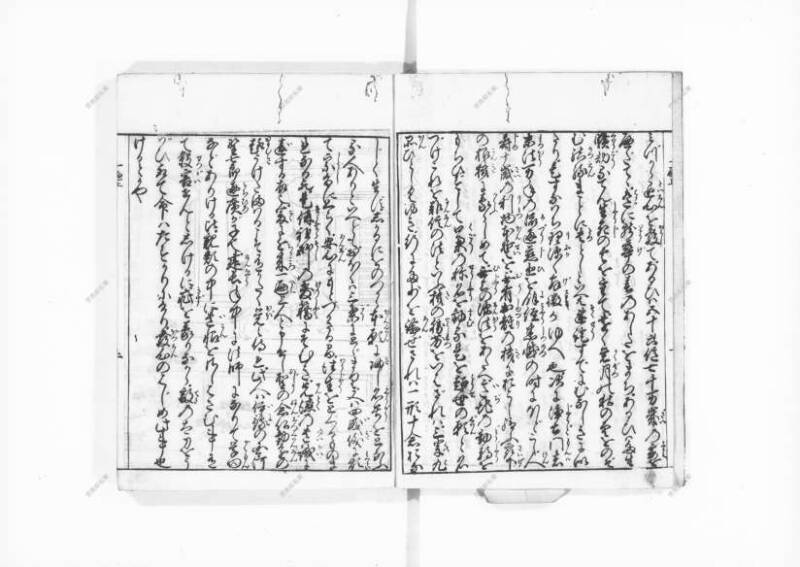
翻刻
【コマ4】
【右丁】
みづから退心(たいしん)を發(おこし)て。あるひは五十六億七千万歳( ざい)の霞(かすみ)を
へだてゝ。遙(はかる)に龍蕐(りうげ)の春のあしたをまち。あるひは多生
曠劫(くはうごう)るてん生死(しやうじ)の雲を重て。遠く覚月の秋の空をのぞ
む結縁(けつえん)まことに貴(たつ)としといへ共 速證(そくせう)すでにむなしきに似
たり。是すなはち理(り)深(ふか)く解(げ)微(スコシキ)かゆへ也。次に浄土門(じやうどもん)者(は)
末法(まつほう)万年の流通(ろづう)慈悲(じひ)を餘經(よきやう)悉滅(しつめつ)の时にほどこし。人(にん)
寿(じゆ)十歳( さい)の利物(りもつ)本誓(ほんせい)を。無有出離(むうしゆつり)の機(き)におこし給ふ㝡下(さいげ)
の根機(こんき)に蒙(かうふ)らしめて。無上(むじやう)の深法(しんほう)をあたへ。意地(いぢ)の動静(どうじやう)を
もちひずして口業(くごう)の称名(せうみやう)を勧(すゝむ)る是を超世(てうせ)の願(ぐわん)と名
づけこれを難信の法といふ。機(き)の勝劣(せうれつ)をいはざれは。三軰( はい)九(く)
品(ほん)ひとしくゆき。行に多少を論(ろん)ぜされは一形十念おな
【左丁】
じく生ず。しかるにをのつから本願(ほんぐはん)に帰(き)し名号(みやうがう)をとなふ
る人ありといへども。おほくは三業( ごう)にとゞまり。又は四威儀( いぎ)に煩(わつらい)
て宗旨(しうし)にくらく。安心(あんじん)にもとづかさる間。往生(わうじやう)をとぐるものま
れなる欤。是 併(しかしなから)祖師(そし)の教籍(けうしやく)にそむき。先徳(せんとく)の遺誡(ゆいかい)に
違(い)する故也。爰(こゝ)に近來(ちかころ)一通上人( へん )と申せし聖(ひじり)の念仏動進(ねんぶつくはんじん)の
趣(おもむき)うけたまはるこそ有かたく覚(おぼ)え侍れ。此人は《振り仮名:伊豫の国|いよ 》。河
野七郎通廣( みちひろ)が子也。建長年中(けんちやう )に法師になりて学問(がくもん)
などありける比。親類の中に遺恨(いこん)をさしはさむ事有
て殺害(せつがい)せんとしけるに。疵(きず)を蒙りなから。敵(てき)の太刀をう
ばひ取て命はたすかりにけり。發心(ほつしん)のはじめ此事也
けるとかや
現代語訳
【右丁】
自ら退心を起こして、あるいは五十六億七千万歳という霞を隔てて、遥かに龍華の春の朝を待ち、あるいは多生曠劫にわたって輪廻する生死の雲を重ねて、遠く覚りの月の秋の空を望む。結縁はまことに尊いといえども、速やかな証悟はすでに空しいかに思われる。これはすなわち、教理は深いが理解が乏しいためである。次に浄土門とは、末法万年の流通において慈悲を余経悉滅の時に施し、人の寿命が十歳となる時代の衆生済度を、本誓によって、生死を出離する縁のない機根のために起こし給うものである。最も低い根機の者にも受けさせて、無上の深い教法を与え、心の動きや静けさに関わらず、口業による称名念仏を勧める。これを超世の願と名付け、これを難信の法という。機根の優劣を言わなければ、三輩九品が等しく往生し、行の多少を論ぜずして、一形十念が同じく往生を得る。
【左丁】
しかるに、自ずと本願に帰し、名号を唱える人がいるといえども、多くは三業にとどまり、また四威儀に煩わされて、宗旨に暗く、安心に基づかない間は、往生を遂げる者はまれである。これはひとえに祖師の教えの書に背き、先徳の遺戒に違うゆえである。ここに近ごろ、一遍上人と申した聖人の念仏勧進のお話を承ることは、まことにありがたく思われます。この人は伊予の国の河野七郎通廣の子である。建長年中に法師となり、学問などをしていた頃、親族の中に遺恨を挟む事があって、殺害しようとしたところ、傷を受けながらも、敵の太刀を奪い取って命は助かったのであった。発心のはじめはこの事であったとかや。
英語訳
**[Right folio]**
Of their own accord, they give rise to a mind of retreat from the path; some wait, separated by a mist of 5,670,000,000 years, for the distant spring morning of the Dragon Flower Assembly [of Maitreya]; others, piling layer upon layer the clouds of birth-and-death through countless rebirths across vast kalpas, gaze afar at the autumn sky of the moon of enlightenment. Though forming a karmic connection [with the teaching] is truly precious, swift attainment of realization already seems as though it were in vain. This is precisely because the principle is deep while understanding is slight.
Next, the Pure Land Gate [Jōdo-mon] is this: in the dissemination [of the teaching] through the ten thousand years of the Latter Age of the Dharma, compassion is bestowed at the time when all other sutras have perished; and for those beings whose human lifespan has fallen to ten years, the original vow rouses [the teaching] for the sake of those with no capacity to escape the cycle of birth and death. Even those of the lowest capacity are made to receive it, and they are given the profound teaching of the highest order. Without relying upon the movements or stillness of the mind, the recitation of the Name through the karma of speech [verbal action] is encouraged. This is called the Vow that Surpasses the World, and this is called the Dharma that is Difficult to Believe. If the superiority or inferiority of one's capacity is not spoken of, then the three grades and nine levels [of rebirth] all go equally to the Pure Land; and if one does not debate the quantity of practice, then [even] a single lifetime of念仏 or ten recollections equally lead to birth [in the Pure Land].
**[Left folio]**
And yet, even among those who naturally take refuge in the Original Vow and recite the Name, most remain preoccupied with the three karmic actions [of body, speech, and mind], and others are troubled by the four deportments [walking, standing, sitting, lying down], remaining ignorant of the essence of the teaching and not grounded in the settled mind [anjin]. During such a state, those who attain birth in the Pure Land are rare indeed. This is entirely because they go against the written teachings of the founding masters and violate the testamentary admonitions of the earlier virtuous ones.
It is here that I have recently had occasion to hear of the activities of the Holy Man known as Ippen Shōnin and his nenbutsu proselytization, and I find it profoundly moving and worthy of gratitude. This person was the son of Kōno Shichirō Michihiro, of Iyo Province. In the Kenchō era [1249–1256], he became a Buddhist monk and was engaged in scholarly study; at that time, there arose a matter of deep resentment within his kinship group, and someone attempted to kill him. Though he suffered a wound, he managed to wrest the enemy's sword away and thus escaped with his life. It is said that this event marked the very beginning of his awakening to the Buddhist path.