翻刻
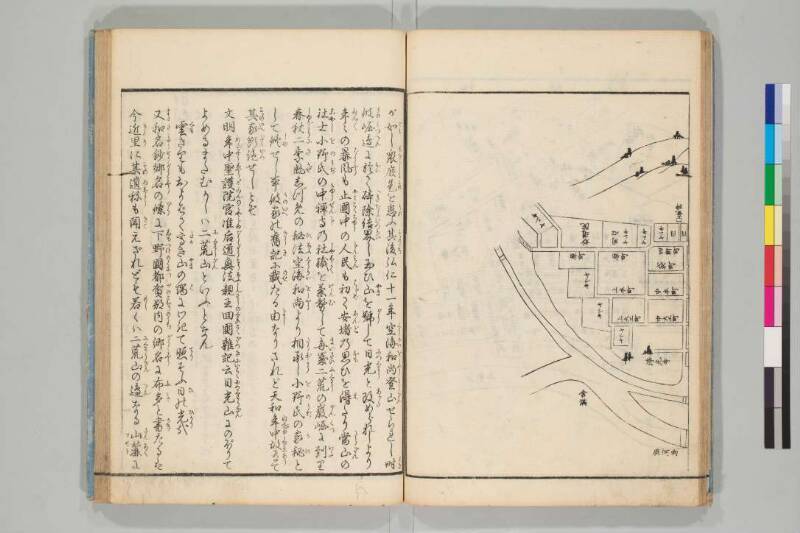
【右丁 地図】
【左丁】
が如(ごと)し衆庶(しゆうしよ)是(これ)を患(うれ)ふ其(その)後(ゝち)弘仁十一年 空海和尚(くうかいをしやう)登山(とうざん)せられし时(とき)
彼(かの)崛(くつ)邊(へん)に於(おい)て辟除(へきぢよ)結界(けつかい)し玉ひ山(やま)を號(がう)して日光(につくわう)と改(あらた)められしより
《振り仮名:年〻|ねん〳〵》の暴風(ばうふう)も止(やみ)國中(こくちゆう)の人民(じんみん)も初(はじめ)て安堵(あんど)の思(おも)ひを得(え)たり當山(たうざん)の
社士(しやし)小野氏(をのうぢ)の中禅寺(ちゆうぜんじ)の社職(しやしよく)を兼務(けんむ)して毎歳(まいさい)二荒(にくわう)の巌崛(がんくつ)に到(いた)り
春秋(しゆんじう)二季(にき)風(かぜ)しづめの秘法(ひほふ)空海和尚(くうかいをしやう)より相承(さうじよう)し小野氏(をのうぢ)の家秘(かひ)と
して修(しゆ)せし事 彼(かの)家(いえ)の《振り仮名:𦾔記|きうき》に載(のせ)たる由(よし)なりされど天和 年中(ねんぢゆう)故(ゆゑ)有(あり)て
其(その)家(いえ)断絶(だんぜつ)せしとぞ
文明 年中(ねんぢゆう)聖護院宮准后(しやうごゐんのみやじゆごう)道興法親王(だうこうほふしんわうの)囬國雜記(くわいこくざつきに)云(いはく)日光山(につくわうざん)にのぼりて
よめるまたむかしは二荒山(にくわうざん)といふとなん
雲(くも)きりもおよばて高(たか)き山(やま)の端(は)にわけて照(てり)そふ日(ひ)の光(ひかり)哉
又(また)和名鈔(わみやうせう)郷名(がうみやう)の條(でう)に下野國(しもつけのくに)都賀郡(つがのこほりの)内(うち)の郷名(がうみやう)に布多(ふた)と書(かき)たるは
今 近里(きんり)に其(その)遺称(ゐしよう)も聞(きこ)えざれども若(もし)くは二荒山(にくわうざん)の邊(へん)なる山麓(さんろく)【「フモト」左ルビ】に
現代語訳
【右丁 地図】
【左丁】
のようであり、民衆はこれを心配していた。その後、弘仁十一年(820年)に空海和尚が登山された時、その洞窟の辺りで悪霊を除き結界を張られ、山の名を日光と改められてから、年々の暴風も止み、国中の人民も初めて安心の思いを得ることができた。当山の社士である小野氏は中禅寺の社職を兼務しており、毎年二荒の巌窟に赴き、春秋二季に風を鎮める秘法を空海和尚より受け継ぎ、小野氏の家秘として修行していた事が、その家の旧記に記されているということである。しかし天和年間(1681-1684年)に事情があってその家は断絶したとのことである。
文明年間(1469-1487年)に聖護院宮准后道興法親王の『回国雑記』に言うには、「日光山に登って詠んだ歌。また昔は二荒山と言ったということだ。
雲霧も及ばないほど高い山の端に、わけて照り添う日の光よ」
また『和名抄』の郷名の条に、下野国都賀郡内の郷名に「布多」と書かれているのは、今近里にその遺称も聞こえないけれども、もしかすると二荒山の辺りである山麓に
英語訳
【Right page Map】
【Left page】
Such was the situation, and the common people were troubled by this. Later, in the 11th year of Kōnin (820 CE), when the monk Kūkai ascended the mountain, he performed exorcism and established a sacred boundary around that cave area, and renamed the mountain Nikkō. From that time, the annual violent winds ceased, and the people throughout the country were finally able to feel at peace. The shrine priest of this mountain, the Ono clan, also served as shrine officials of Chūzenji Temple, and every year they would go to the rocky cave of Nikō and perform secret rituals to calm the winds in spring and autumn seasons—rituals inherited from the monk Kūkai and kept as family secrets of the Ono clan. This is recorded in that family's old records. However, during the Tenna era (1681-1684), due to certain circumstances, that family line was discontinued.
During the Bunmei era (1469-1487), in the "Travel Journal Around the Provinces" by Prince Dōkō of Shōgoin Palace, it states: "A poem composed upon climbing Mount Nikkō. Also, in ancient times it was called Mount Nikō."
"Even clouds and mist cannot reach this high mountain peak, where the sunlight shines with special brilliance"
Also, in the section on village names in the "Wamyōshō," among the village names within Tsuga District of Shimotsuke Province, "Futa" is written, but today no trace of this name can be heard in the nearby villages. Perhaps it was located in the foothills around Mount Nikō.