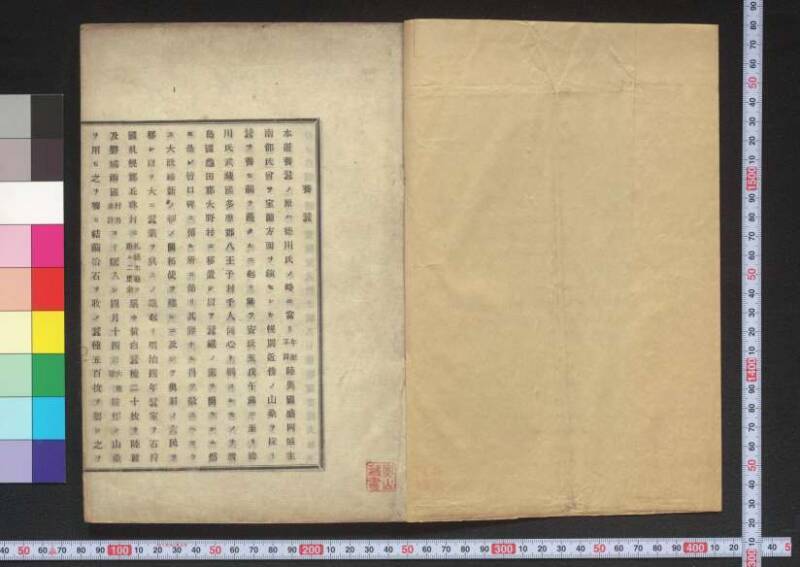
翻刻
養 蚕
本道養蚕ノ原ハ徳川氏ノ時ニ当リ《割書:年歴|不詳》陸奥国盛岡城主
南部氏曽テ室蘭方面ヲ鎮セシトキ幌別近傍ノ山桑ヲ採リ
蚕ヲ養ヒ繭ヲ獲タルニ起リ降テ安政五戊午歳ニ至リ徳
川氏武蔵国多摩郡八王子村千人同心ト称スルモノヲ渡
島国亀田郡大野村ニ移遣シ以テ蚕織ノ業ヲ開カシム然
トモ是レ皆口碑ニ伝ル所ニ係リ其詳ナル得テ徴スヘカラ
ス大政維新ノ初メ開拓使ヲ建ルニ及ンテ奥羽ノ人民ヲ
移シ以テ大ニ蚕業ヲ興スノ議起リ明治四年蚕室ヲ石狩
国札幌郡丘珠村ニ《割書:札幌本庁ヲ|距ル二里余》築キ黄白蚕種二十枚ヲ陸前
及磐城両国《割書:村名|未詳》ヨリ購入シ四月十四日《割書:太陰|暦》掃卵シ山桑
ヲ用ヒ之ヲ養ヒ結繭拾石ヲ収メ蚕種五百枚ヲ製シ之ヲ
現代語訳
## 養蚕
北海道における養蚕の起源は、徳川氏の時代(年代は不詳)に遡る。陸奥国盛岡城主の南部氏がかつて室蘭方面を治めていた際、幌別近辺の山桑を採取して蚕を飼育し、繭を得たことに始まる。その後、安政五年(戊午、1858年)に至り、徳川氏が武蔵国多摩郡八王子村の「千人同心」と呼ばれる者たちを渡島国亀田郡大野村に移住させ、蚕織の業を開かせた。しかしながら、これらはいずれも口伝えに伝わるものであり、その詳細を確かめる手立てはない。
明治維新の初め、開拓使が設置されるに及んで、奥羽地方の人民を移住させ、大いに蚕業を興そうという議論が起こった。明治四年(1871年)、蚕室を石狩国札幌郡丘珠村(札幌本庁より二里余り離れた場所)に築き、黄白の蚕種二十枚を陸前および磐城の両国(村名は不詳)より購入した。四月十四日(旧暦)に掃卵を行い、山桑を用いて蚕を飼育した結果、繭十石を収穫し、蚕種五百枚を製造して、これを……
英語訳
## Sericulture
The origins of sericulture in Hokkaido date back to the era of the Tokugawa shogunate (the exact year is unknown). It is said to have begun when the Nanbu clan, lords of Morioka Castle in Mutsu Province, were governing the Muroran area and collected wild mulberry from the vicinity of Horobetsu to raise silkworms and harvest cocoons. Later, in the fifth year of the Ansei era (1858, the year of Wu-wu), the Tokugawa government transferred a group known as the "Sennin Dōshin" from Hachioji Village in Tama District, Musashi Province, to Ono Village in Kameda District, Oshima Province, and had them establish the sericulture and weaving industry. However, all of these accounts rest on oral tradition, and their details cannot be verified.
At the beginning of the Meiji Restoration, when the Kaitakushi (Hokkaido Development Commission) was established, a proposal arose to relocate people from the Ōu region (Mutsu and Dewa provinces) and greatly promote the sericulture industry. In the fourth year of Meiji (1871), a silkworm-rearing facility was built in Okadama Village, Sapporo District, Ishikari Province (located approximately two ri from the main Sapporo office). Twenty sheets of yellow and white silkworm eggs were purchased from Rikuzen and Iwaki Provinces (village names unknown). On the fourteenth day of the fourth month (lunar calendar), the eggs were hatched, and wild mulberry was used to raise the silkworms. As a result, ten koku of cocoons were harvested, five hundred sheets of silkworm eggs were produced, and these were then…