翻刻
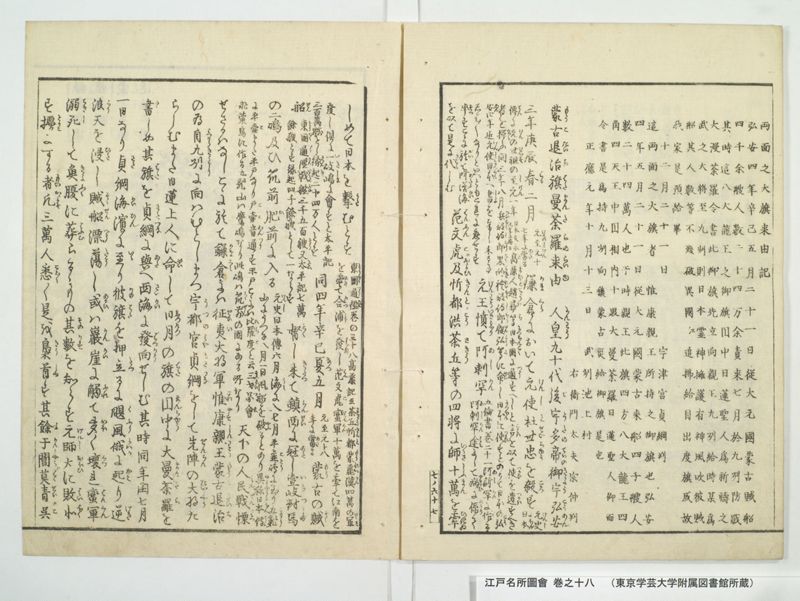
両面之大旗来由記
弘安四年辛已五月二十一日従大元国蒙古賊船
四千余艘人数二十四万余責来七月於九州防戦
其時這八大竜王之御旗円中日蓮聖人為祈濤之
大漫荼羅令書此御旗先立向親王九州給時其為
武之大将至九州則日本霊神擁護有神風吹彼賊
船其人数第不残破異国江追払給目出度旗成故
我家是預給畢
十二月二十一日
這両面之大旗者 帷康親王所持之御旗也弘安
四年五月二十一日従大元国蒙古来船四千艘人
数二十四万人也于時親王此旗四方八大竜王四
角四天王中円相内十界大曼荼羅日蓮聖人仰而
令書是為持九州向攘蒙古災給御旗是也
正応元年十月十三日 武州池上村
右衛門太夫宗仲判
蒙古退治旗曼荼羅来由(もうこたいちはたまんたらのらいゆ) 人皇(にんわう)九十代 後宇多帝御宇(こうたのていのきよう)弘安(こうあん)
三年庚辰 春(はる)二月 《割書:元(けんの)至元(しけん)十|七年に当(あた)る》 鎌倉(かまくら)において元使(けんし)杜世忠(とせいちゆう)を殺(ころ)す 《割書:元史(けんし)|日本(にほん)》
《割書:伝(てん)に元(けん)の世祖(せいそ)の至元(しけん)一年 《割書:日本文永|元年に当る》 高麗人(こまひと)趙彝(てうい)等(ら)日本国(につほんこく)に通(つう)すへしと言(ことは)を以て使(つかひ)を遣(つかは)すへき|者を択(えら)ふ同三年八月兵部侍郎(へいほうしらう)黒的(こくてき)礼部侍郎(れいほうしらう)殷弘(いんこう)等(ら)に命(めい)し日本(につほん)に使(つかひ)すとのりて日本の弘(こう)》
《割書:安(あん)四年迄元使(けんし)日本(につほん)へ書(しよ)を奉し来る|事しは〳〵なりといへともこれに応せす》 元王(けんわう)憤(いきとほり)て阿刺罕(あしかん)《割書:五倫書巻二十一 阿斯罕(あしかん)に作(つく)る|阿刺罕(あしかん)途(みち)にして病(やまひ)に係(かゝり)て》
《割書:卒(そつ)すこゝに於(おい)て阿塔海(あたふかい)|を以て是に代(かはら)しむ》 范文虎(えんふんこ)。及(およひ)欣都(きんと)。洪茶丘(こうさきう)等(とう)の四将に師(いくさ)十万を牽(ひきゐ)
しめて日本を撃(うた)むとす 《割書:東国通鑑(とうこくつうかん)巻の三十八高麗記云 茶丘(さきう)欣都(きんと)蒙麗漢(もうれいかん)四万の軍(いくさ)|を牽(ひき)て合浦(かつうら)を発(はつ)し范(えん)文 虎(こ)蛮軍(はんくん)十万を牽て江南を》
《割書:発し倶に一岐島(いきしま)に会すこと太平記|三百万騎とし縁起(えんき)二十四万人とす》 同四年辛巳 夏(なつ)五月 《割書:元至元十八|年に当(あた)る》 蒙(もう)古の賊(そく)
船(せん) 《割書:東国通鑑(とうこくつうかん)戦鑑(いくさふね)三千五百 艘(さう)又 太(たい)平記七万|余艘とす縁起四千余艘として一ならす》 督(とく)し来(きたつ)て鎮西(ちんせい)に冠(あた)し壱岐(いき)対馬(つしま)
の二島及ひ筑前 肥(ひ)前に入る 《割書:元史(けんし)日本伝六月 海(うみ)に入七月平 壺島(ことう)に至り五竜(こりう)|山にうつる八月一日風船を破(やふ)るとあり異称日本伝(ゐしやうにほんてん)》
《割書:に平 壷(こ)また平戸なり 戸(こ)壷(こ)音(おん)通(つう)す平戸こゝには比羅度(ひらと)と云 三才図会(さんさいつゑ)|飛蘭鳥に作る五竜山は鷹島なり此島は筑前(ちくせん)の国にある所なり》 天下の人 民(みん)戦慄(せんりつ)
せさるはなしこゝに於て鎌倉には征夷(せいい)大将軍 帷康親王(これやすしんわう)蒙古退治(もうこたいち)
の為自(みつから)九州(きうしう)に向はむとしまつ宇都宮貞網(うつのみやさたつな)をして先陣(せんちん)の大将(たいしやう)た
らしむまた日蓮上人に命(めい)して日月(しつけつ)の旗(はた)の円中(えんちゆう)に大 曼荼羅(まんたら)を
書(かゝ)しめ其 旗(はた)を貞綱(さたつな)に与(あた)へ西海(さいかい)に発向(はつかう)せしむ其時同年閨七月
一日なり貞(さた)網 海浜(かいひん)に至(いた)り彼旗(かのはた)を押 立(たつ)るに颶風(くふう)俄(にはか)に起(おこ)り逆(けき)
浪(らう)天を浸(ひた)し賊船(そくせん)漂蕩(へうたう)し或(あるひ)は巌崖(かんかい)に触(ふれ)て多(おほ)く壊(くつ)れ蛮軍(はんくん)
溺死(てきし)して魚腹(きよふく)に葬(はふむ)らるゝもの其数(そのかす)を知らす元師(けんし)大(おほひ)に敗北(はいほく)
す虜(とりこ)にする者(もの)凡(およそ)三万人 悉(こと〳〵)く是を梟首(きうしゆ)す其 余(よ)于閶(むしやう)。莫青(はくせい)。呉(こ)
現代語訳
両面之大旗来由記
弘安四年辛巳五月二十一日、大元国より蒙古の賊船四千余艘、人数二十四万余が責め来たり、七月に九州において防戦す。その時、この八大竜王の御旗の円中に、日蓮聖人が祈祷のために大曼荼羅を書かしめ、この御旗を先立て、帷康親王が九州に向かわれた時、その武の大将が九州に至ると、日本の霊神が擁護し神風が吹き、彼の賊船とその人数を一人も残らず破り、異国へ追い払われた。めでたい旗となったゆえに、我が家がこれを預かることとなった。
十二月二十一日
この両面の大旗は帷康親王所持の御旗である。弘安四年五月二十一日、大元国より蒙古来船四千艘、人数二十四万人なり。その時親王はこの旗の四方に八大竜王、四角に四天王、中円相内に十界大曼荼羅を日蓮聖人に仰せられて書かしめた。これは九州に向かい蒙古の災いを攘うために持参された御旗である。
正応元年十月十三日 武州池上村
右衛門太夫宗仲判
蒙古退治旗曼荼羅来由 人皇九十代後宇多帝御宇弘安三年庚辰春二月《元の至元十七年に当たる》鎌倉において元使杜世忠を殺す《元史日本》
《伝によれば、元の世祖の至元一年《日本文永元年に当たる》高麗人趙彝等が日本国に通ずべしと言葉をもって使いを遣わすべき者を択ぶ。同三年八月兵部侍郎黒的、礼部侍郎殷弘等に命じ日本に使いするとして日本の弘》
《安四年まで元使が日本へ書を奉じ来ること度々なりといえどもこれに応ぜず》元王憤りて阿刺罕《五倫書巻二十一、阿斯罕に作る。阿刺罕、途にして病にかかって》
《卒す。ここにおいて阿塔海をもってこれに代わらしむ》范文虎、及び欣都、洪茶丘等の四将に師十万を率い
して日本を撃たんとす《東国通鑑巻三十八高麗記に云う、茶丘、欣都、蒙麗漢四万の軍を率いて合浦を発し、范文虎、蛮軍十万を率いて江南を》
《発し、共に壱岐島に会すこと。太平記には三百万騎とし、縁起には二十四万人とす》同四年辛巳夏五月《元至元十八年に当たる》蒙古の賊船《東国通鑑、戦船三千五百艘、また太平記七万余艘とす。縁起四千余艘として一ならず》を督し来たって鎮西に冠し、壱岐・対馬の二島及び筑前・肥前に入る《元史日本伝、六月海に入り七月平壺島に至り五竜山に移る。八月一日風船を破るとあり。異称日本伝》
《に平壺またの平戸なり。戸壺音通ず。平戸ここには比羅度と云う。三才図会、飛蘭鳥に作る。五竜山は鷹島なり。この島は筑前の国にある所なり》天下の人民戦慄せざるはなし。ここにおいて鎌倉には征夷大将軍帷康親王、蒙古退治のため自ら九州に向かわんとし、宇都宮貞網をして先陣の大将たらしむ。また日蓮上人に命じて日月の旗の円中に大曼荼羅を書かしめ、その旗を貞網に与え西海に発向せしむ。その時同年閏七月一日なり。貞網海浜に至り彼の旗を押し立つるに、颶風俄かに起こり逆浪天を浸し、賊船漂蕩し、或いは巌崖に触れて多く壊れ、蛮軍溺死して魚腹に葬らるる者その数を知らず。元師大いに敗北す。虜にする者凡そ三万人、悉くこれを梟首す。その余于閶、莫青、呉
英語訳
Record of the Origin of the Double-Sided Great Flag
On the 21st day of the 5th month of Kōan 4, year of the metal snake (1281), over 4,000 Mongol pirate ships with more than 240,000 men came to attack from the Great Yuan kingdom, and in the 7th month defensive battles were fought in Kyushu. At that time, Saint Nichiren wrote a great mandala for prayers within the circle of this flag of the Eight Great Dragon Kings, and when Prince Koreyasu proceeded to Kyushu with this flag leading the way, as soon as the military commander reached Kyushu, the spiritual gods of Japan provided protection, divine winds blew, completely destroying those pirate ships and all their men, driving them back to foreign lands. Because it became an auspicious flag, our family came to be entrusted with it.
21st day of the 12th month
This double-sided great flag is the banner carried by Prince Koreyasu. On the 21st day of the 5th month of Kōan 4, 4,000 Mongol ships came from the Great Yuan kingdom with 240,000 men. At that time, the Prince had Saint Nichiren write the Eight Great Dragon Kings on the four directions of this flag, the Four Heavenly Kings at the four corners, and the Great Mandala of the Ten Realms within the central circle. This was the banner carried to proceed to Kyushu and repel the Mongol calamity.
13th day of the 10th month of Shōō 1, Ikegami Village, Musashi Province
Seal of Uemon-no-taifu Munenaka
Origin of the Mongol-Repelling Flag Mandala: In the reign of the 90th Human Emperor Go-Uda, in the 3rd year of Kōan, year of the metal dragon, spring, 2nd month (corresponding to the 17th year of Yuan Zhiyuan), the Yuan envoy Du Shizhong was killed in Kamakura.
According to records, in the 1st year of Yuan Shizu's Zhiyuan era (corresponding to Japan's Bun'ei 1), Koreans Zhao Yi and others selected envoys to be sent with the message that diplomatic relations should be established with Japan. In the same 3rd year, 8th month, Hebu Shilang Heidi and Libu Shilang Yin Hong were commanded to serve as envoys to Japan.
Though Yuan envoys frequently came to Japan with letters until Kōan 4, Japan did not respond. The Yuan king was enraged and appointed Arahan (written as Asihan in the Gorin-sho volume 21; Arahan fell ill on the journey and died, so Atahai was appointed to replace him), Fan Wenhu, and the four generals Xindu and Hong Chaqiu to lead an army of 100,000 to attack Japan.
According to the Dongguo Tongjian volume 38, Korean records state that Chaqiu and Xindu led 40,000 Mongol-Korean-Chinese troops departing from Happ'o, while Fan Wenhu led 100,000 barbarian troops from Jiangnan, both meeting at Iki Island. The Taiheiki records 3,000,000 cavalry, while the Engi records 240,000 men. In the same 4th year, year of the metal snake, summer, 5th month (corresponding to Yuan Zhiyuan 18), Mongol pirate ships (the Dongguo Tongjian records 3,500 warships, while the Taiheiki records over 70,000 vessels; the Engi records over 4,000 vessels - the numbers vary) were commanded to come and attack Chinzei, entering the two islands of Iki and Tsushima as well as Chikuzen and Hizen provinces.
The people of the realm were all terrified. At this point in Kamakura, Sei-i Taishōgun Prince Koreyasu intended to personally proceed to Kyushu to repel the Mongols, making Utsunomiya Sadatsuna the commanding general of the vanguard. He also commanded Saint Nichiren to write a great mandala within the circle of a sun and moon flag, gave that flag to Sadatsuna, and had him depart for the western seas. This was on the 1st day of the intercalary 7th month of the same year. When Sadatsuna reached the seashore and raised that flag, hurricane winds suddenly arose, towering waves flooded the sky, the enemy ships drifted about, many were destroyed upon striking rocky cliffs, and countless barbarian soldiers drowned and were buried in the bellies of fish. The Yuan commanders suffered great defeat. About 30,000 were taken prisoner and all were beheaded. The remainder, Yu Chang, Mo Qing, Wu...