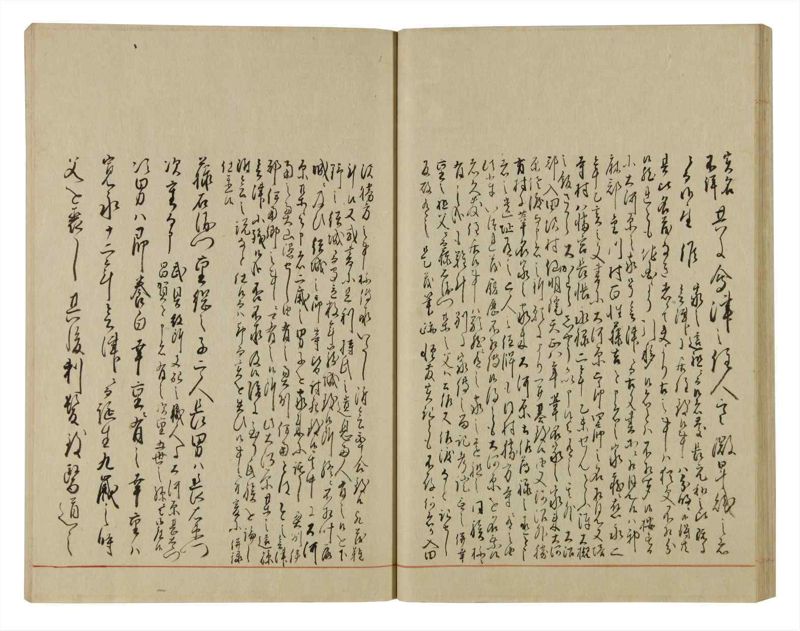
翻刻
《割書:実名|不詳》共に会津之住人寒微卑賎之者
ニ而御座候《割書:家之遠祖ニ而候者慶長元和之比既に|会津に居住致候事ハ分明ニ候得共》
其比名もなき者ニて夫より古之事ハ猶更不相分
候然れとも他国より引移候者とハ不相聞候按する
に大河原之家号会津ニ而古文書等ニ相見候ハ耶
麻郡金川村百姓藤吉と申者之家蔵ニ応永二
年乙亥之文書に大河原二郎四郎之名相見又塔
寺村八幡宮長帳永禄二年乙未せんとふ陣大槻
之館さくら大かわらしやうかい申候と有之其外大沼
郡入田沢仙明院天正八年葦名家之家来大河
原佐渡与申者之祈願により開基致候由又河沼外勝
方村に葦名家之家来大河原土佐薄禄之直と申
者之遺址有之二人之位牌も同村勝方寺ニ有之由
此輩ハいつれも履歴不相伝候得とも大河原を名乗候
者久敷住居候事ハ顕然ニ有之家之遠祖之同族抔ニ
有之哉も難計別に家傳之留記考証無之併幸
重之祖父ニ而藤右衛門某之父ハ土佐又佐渡なと記せし
反故有之是も筆跡軽敷実記とも不存何者か入田
沢勝方之事抔伝承いたし附会率合致候かも難
計候又或書に足利持氏之遺息両人有之候と下
野之結城ニ而守立数年籠城致候所終ニ不相叶落
城ニ及ひ結城之郎等皆討死致候其中に大河
原某与申者二歳之男子を家来に託し奥州伊
南之奥山隠せし由有之奥州伊南とは今之会津
郡伊南郷之事ニ可有之候所此大河原某之遠孫
会津に残候哉否不承及候後に至り氏族を論し
附言之説なと仕候而ハ却而実を失ひ候事ニ付爰に併録
仕置候
藤右衛門重綱之子二人長男ハ長右衛門
次重と申《割書:武具役所支配之職人に大河原甚右ヱ門|昌賀と申者有之次重五世之孫ニて御座候》
次男八郎養白幸重ニ有之幸重ハ
寛永十二年会津ニ而誕生九歳之時
父を喪し其後剃髪致医道之
現代語訳
(実名は不詳)いずれも会津の住人で、身分の低い卑しい者でございました。(家の遠祖については慶長・元和の頃(1596-1624)にはすでに会津に居住していたことは明らかですが)その頃は名もない者で、それより古いことはなおさら分かりません。しかしながら他国から移住してきた者とは聞いておりません。考えてみますに、大河原という家号は会津において古文書等に見えるのは、耶麻郡金川村の百姓藤吉という者の家の蔵に応永二年(1395)乙亥の文書に大河原二郎四郎の名が見え、また塔寺村八幡宮の長帳に永禄二年(1559)乙未の千藤陣、大槻の館、さくら大かわらしやうかいと記されているものがあります。その他、大沼郡入田沢の仙明院は天正八年(1580)に蘆名家の家臣大河原佐渡という者の祈願により開基されたとのこと、また河沼郡勝方村には蘆名家の家臣大河原土佐薄禄之直という者の遺跡があり、二人の位牌も同村の勝方寺にあるとのことです。
この人々はいずれも履歴は伝わっておりませんが、大河原を名乗る者が長く住んでいたことは明らかであり、家の遠祖の同族などであるかもしれませんが計り難く、別に家伝の記録や考証もありません。ただし、幸重の祖父である藤右衛門某の父は土佐又は佐渡などと記した反故紙がありますが、これも筆跡が軽々しく実記とも思われず、何者かが入田沢・勝方のことなどを伝承して付会牽合したのかもしれません。
また、ある書物に足利持氏の遺児二人があり、下野の結城で守り立てて数年籠城したところ、ついに叶わず落城に及び、結城の郎等は皆討死したが、その中に大河原某という者が二歳の男子を家来に託して奥州伊南の奥山に隠したということがあります。奥州伊南とは今の会津郡伊南郷のことでしょうが、この大河原某の遠孫が会津に残っているかどうかは承知しておりません。後になって氏族を論じて付会の説などをするのは却って実を失うことになりますので、ここに併せて記録しておきます。
藤右衛門重綱の子は二人で、長男は長右衛門次重と申します(武具役所支配の職人に大河原甚右衛門昌賀という者がおり、次重の五世の孫でございます)。次男は八郎で養白幸重と申します。幸重は寛永十二年(1635)会津にて誕生、九歳の時に父を亡くし、その後剃髪して医道の
英語訳
(Their actual names are unknown) All were residents of Aizu, people of humble and lowly status. (Regarding the family's distant ancestors, it is clear that they were already residing in Aizu around the Keichō and Genna eras [1596-1624], but) at that time they were nameless people, and matters from even earlier times are even more unclear. However, we have not heard that they were people who migrated from other provinces. When we consider this, the family name Ōkawara appears in ancient documents in Aizu: in the storehouse of a farmer named Tōkichi from Kanagawa village in Yama district, there is a document from the 2nd year of Ōei (1395), year of the boar, in which the name Ōkawara Jirō Shirō appears. Also, in the ledger of Tōji village's Hachiman Shrine, there is an entry for the 2nd year of Eiroku (1559), year of the sheep, mentioning "Sentō jin, Ōtsuki no tachi, Sakura Ōkawara shōkai." Additionally, Senmyōin temple in Iritasawa, Ōnuma district, was founded in the 8th year of Tenshō (1580) through the prayers of Ōkawara Sado, a retainer of the Ashina family. Also, in Katakata village, Kawanuma district, there are remains of Ōkawara Tosa Hakuroku no Nao, a retainer of the Ashina family, and memorial tablets for both men are said to be at Katakata temple in the same village.
Although the histories of these people have not been transmitted, it is clear that people bearing the Ōkawara name have long resided there, and they may have been relatives of the family's distant ancestors, though this is difficult to determine. There are no separate family records or historical evidence. However, there are some discarded papers recording that the father of Tōemon (Shigetsuna's grandfather) was called Tosa or Sado, but the handwriting appears casual and does not seem to be an authentic record. It may be that someone heard traditions about Iritasawa and Katakata and fabricated connections.
Also, a certain book states that there were two surviving sons of Ashikaga Mochiuji, who were protected at Yūki in Shimotsuke province and held out in siege for several years, but ultimately could not prevail and the castle fell. All the Yūki retainers died in battle, but among them was one called Ōkawara who entrusted a two-year-old boy to a retainer and hid him in the remote mountains of Inan in Ōshū. Inan in Ōshū would be present-day Inan-gō in Aizu district, but we do not know whether descendants of this Ōkawara remain in Aizu. Since discussing genealogy later and making fabricated explanations would only obscure the truth, I record this here together [with other uncertain information].
Tōemon Shigetsuna had two sons. The eldest was Chōemon Tsugushige (Among the craftsmen under the supervision of the weapons office, there is one called Ōkawara Jin'emon Masayoshi, who is Tsugushige's fifth-generation descendant). The second son was Hachirō, called Yōhaku Yukishige. Yukishige was born in Aizu in the 12th year of Kan'ei (1635), lost his father at age nine, and thereafter shaved his head and [studied] medical arts.