翻刻
【コマ200】
【右丁】
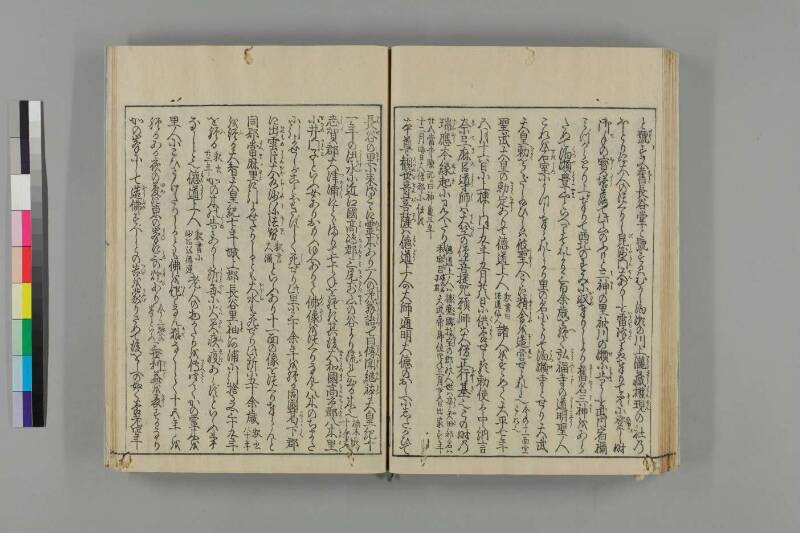
と號(がう)す又《振り仮名:𦾔|もと》#1長谷堂と號するはむかし泊瀬の川上 瀧藏権現(りうざうごんげん)#2の社の
ほとりに天人のつくりし昆沙門天(びしやもんでん)ありしを雷(いかつち)降(くた)り取奉りて空(そら)に登(のぼり)し时
御手( て)の寳塔(ほうたう)落て此山のふもと三神(みかみ)の里袖川の瀬(せ)に止(とゞま)りしを武内宿禰
みづからとり上 ̄ケ奉りて西北のすみに収(おさめ)奉りしより《振り仮名:𦾔名三神|きうめうみかみ》#1をあら
ためて泊瀬豊山(はつせとよやま)といへりそれより三百余歳を経(へ)て弘福寺(こうふくじ)の道明聖人(たうみやう )
これを石室(せきしつ)にうつし奉られしより里の名によりて泊瀬寺(はつせ )とせり天武
天皇 勅(ちよく)をくだし給ひしかは彼 聖人(しやう )こゝに精舎(しやうしや)を造営(ぞうえい)せられし也《割書:今の十一面堂|これ也》
聖武天皇の勅定(ちよくちやう)ありて徳道上人《割書:釈書曰|法道仙人》諸人をすゝめて天平七年
五月十六日に上棟し同十九年九月廿八日に供養(くよう)せらる勅使は中納言
奈弖麻呂(なてまろ)導師(とうし)は天竺(てんぢく)の僧菩提呪願師は大僧正 行基(ぎやうぎ)也この时の
瑞應(ずいおう)本縁起( ゑんき)に見へたり《割書:徳道上人は播磨國(はりまのくに)指宝(しほう)の郡の人姓は辛矢田部(からやた )名は|米麻呂(よねまろ)《割書:後の名|子君》天武帝即位四年二月廿五日出家す年》
《割書:廿五當寺驗記 ̄ニ曰神亀三年|十二月晦日大僧都に任す》
本尊 観丗音菩薩(くはんぜをんぼさつ)は徳道上人(とくどう )の大師通明大徳のおしへにしたがひて
【左丁】
長谷(はせ)の里(さと)に來るこゝに霊木(れいぼく)あり一人の老翁(らうおう)語(かたつ) ̄ツて曰 傅聞(つたへきく)継体天皇(けいたい )紀十
一年の洪水(こうすい)に近江國 髙嶋郡(たかしまこふり)三尾前山(みをかさきやま)の谷より流(なが)れ出る木也《割書:楠木長 ̄サ|十余丈》
志賀郡(しが )大津浦( つのうら)にとゞまりて七十年を経る其後 大和國(やまとのくに)髙市郡(たかいちこふり)八木里(やきのさと)
小井門子(をさのかどこ)といふ女ありおもふゆへありて佛像(ぶつさう)をつくりなんと八木のちまた
に引よせしがことなさずして死(し)せり此里に三十余年を経る同國 葛下郡(かつらしも )
に出雲臣(いつものしん)大水沙弥法㔟(おほらしやみほうせい)《割書:釈書|大𫞜》といふあり十一面の像をつくり奉らんと
同郡 當麻里(たへまのさと)に引よせたりしかとも大水(おほら)も死せり此所に五十余歳《割書:釈出|八十年》
を経(ふ)る天智天皇紀七年城上郡長谷里 袖河浦(そて )に引捨る又三十九年
を経(ふ)る《割書:釈出|廿二年》かの木の止(とゝま)りありし所毎(ところごと)に火災疾疫(くはさいしつゑき)あらずといふ事
なしと也 徳道上人(とくたう )《割書:釈書に|沙阿弥徳蓮》老人の物かたりを伝聞(つたへきゝ)てかの霊木を
里人にこひうけたりしかとも佛を作(つく)りなん糧(かて)なくして十五年を
経るある夜の夢(ゆめ)に東の峯(みね)に三(みつ)の燈(ともしひ)あり《割書:今三燈の|峯といふ》三丗利益( りやく)を表(ひやう)するなり
かの峯にして造佛(ぞうぶつ)すべしとの告(つげ)を蒙(かふむ)りさめて後をしへの如く養老四年
現代語訳
【右丁】
(これを)「講堂」と号する。また、もとは「長谷堂」と号していたのは、むかし泊瀬の川上、瀧藏権現の社のほとりに、天人が作った毘沙門天があった。そこへ雷が降って(その像を)取り上げ、空へと昇っていった時、御手の宝塔が落ちて、この山の麓、三神の里・袖川の瀬に留まった。それを武内宿禰が自らとり上げ、(堂の)西北の隅に収め奉った。それ以降、旧名「三神(みかみ)」を改めて「泊瀬豊山(はつせとよやま)」と称するようになった。それより三百余年を経て、弘福寺の道明聖人がこれを石室に移し奉ったことから、里の名にちなんで「泊瀬寺」とされた。天武天皇が勅を下されたので、かの聖人がここに精舎を造営された(これが今の十一面堂である)。
聖武天皇の勅定があって、徳道上人(釈書には「法道仙人」とも)が諸人を勧めて、天平七年五月十六日に上棟し、同十九年九月二十八日に供養が行われた。勅使は中納言・奈弖麻呂、導師は天竺の僧・菩提、呪願師は大僧正・行基であった。この時の瑞応については、本縁起に見えている。(徳道上人は播磨国指宝の郡の人で、姓は辛矢田部、名は米麻呂〔後の名は子君〕。天武帝即位四年二月二十五日に出家した。年は二十五歳。当寺験記には「神亀三年十二月晦日、大僧都に任じられた」とある。)
本尊・観世音菩薩は、徳道上人が師・通明大徳の教えにしたがって、
【左丁】
長谷の里に来た。ここに霊木があり、一人の老翁が語って言うには、「伝え聞くに、継体天皇紀十一年の洪水に、近江国高嶋郡・三尾前山の谷より流れ出た木である(楠木で長さ十余丈)。志賀郡大津浦に留まって七十年を経た。その後、大和国高市郡八木里に、小井門子(をさのかどこ)という女がいて、ある思いから仏像を作ろうと、八木の街道脇に引き寄せたが、成就せずして死んだ。この里に三十余年を経た。同国葛下郡に出雲臣・大水沙弥法勢(釈書では大𫞜〔おおら〕)という者がいて、十一面の像を作り奉ろうと、同郡当麻里に引き寄せたが、大水もまた死んだ。この所に五十余年(釈書では八十年)を経た。天智天皇紀七年、城上郡長谷里・袖河浦に引き捨てられた。さらに三十九年(釈書では二十二年)を経た。」かの木が留まっていた場所ごとに、火災・疾疫がないということはなかったという。
徳道上人(釈書には「沙阿弥徳蓮」)は、老人の物語を伝え聞いて、かの霊木を里人に乞い受けたが、仏を作るための資財がなく、十五年を経た。ある夜の夢に、東の峰に三つの灯火があり(今も「三燈の峰」という)、三世の利益を表すものであるとの告げを蒙った。目が覚めた後、教えの如く養老四年(に造仏を始めた)――
英語訳
**[Right Page]**
This building is called the "Lecture Hall" (講堂). The reason it was formerly called the "Hase Hall" (長谷堂) is as follows: Long ago, near the shrine of Ryūzō Gongen at the upper reaches of the Hatsuse River, there was a statue of Bishamonten (Vaiśravaṇa) made by celestial beings. Lightning struck and carried the statue up into the sky, but as it ascended, the jeweled pagoda held in its hand fell and came to rest in the shallows of the Sodegawa River at Mikami village, at the foot of this mountain. Takenouchi no Sukune himself retrieved it and enshrined it in the northwest corner of the hall. From that time, the old name "Mikami" was changed to "Hatsuse Toyama." Some three hundred years later, the holy monk Dōmyō of Kōfukuji moved it into a stone chamber, and the temple came to be called "Hatsuse-dera" after the name of the village. When Emperor Tenmu issued an imperial decree, the holy monk constructed a temple precinct here (this is the present Hall of the Eleven-faced Kannon).
By imperial decree of Emperor Shōmu, the Venerable Tokudō (also referred to as the Saintly Hōdō in the *Shakusho*) encouraged the people, and the ridge beam was raised on the sixteenth day of the fifth month of Tenpyō 7 (735), with a dedication ceremony held on the twenty-eighth day of the ninth month of Tenpyō 19 (747). The imperial envoy was the Middle Counselor Natemaro, the officiating monk was the Indian priest Bodhi, and the master of prayers was the Great Monk Gyōki. The auspicious omens at this time are recorded in the original temple chronicle. (The Venerable Tokudō was from Shihō District in Harima Province; his family name was Karayata-be and his personal name was Yonemaro, later renamed Kigimi. He took religious vows on the twenty-fifth day of the second month of the fourth year of Emperor Tenmu's reign, at the age of twenty-five. The temple's miracle record states that he was appointed *Daisōzu* on the last day of the twelfth month of Jinkī 3.)
The principal image of Kannon Bodhisattva came about because the Venerable Tokudō, following the teachings of his master Tsūmyō Daitoku, traveled to the village of Hase.
**[Left Page]**
There he found a sacred tree, and an old man told him the following: "By tradition, this tree washed down from the valley of Mio-saki-yama in Takashima District, Ōmi Province, during the great flood of the eleventh year of Emperor Keitai's reign (a camphor tree measuring over ten *jō* in length). It came to rest at Ōtsu-no-ura in Shiga District, where it remained for seventy years. Later, in Yagi village of Takaichi District, Yamato Province, there was a woman named Osa-no-Kadoko who, wishing to have a Buddhist image made, had the log brought to the roadside at Yagi, but she died without achieving her wish. The log remained in this village for over thirty years. In Katsurashimo District of the same province, there was a man called Izumo-no-omi Ōra Shami Hōsei (referred to as Ōra in the *Shakusho*), who intended to carve an eleven-faced image and had the log brought to Taima village in the same district, but Ōra also died. It remained there for over fifty years (eighty years according to the *Shakusho*). In the seventh year of Emperor Tenji's reign, it was abandoned at Sodegawa-ura in Hasegawa village, Kijō District, where it then remained for another thirty-nine years (twenty-two years according to the *Shakusho*)."
It was said that in every place where the log had rested, there had been no absence of fire, disaster, and pestilence.
The Venerable Tokudō (referred to as "Sha-ami Tokurem" in the *Shakusho*), upon hearing this account from the old man, obtained the sacred log from the villagers; however, lacking the resources to carve the Buddha image, fifteen years passed. Then one night, he had a dream in which three lights appeared on the eastern peak (still called "Santō-no-mine," the Peak of Three Lights), signifying the benefits of the three existences (past, present, and future). Upon waking, following this divine revelation, in Yōrō 4 (720)—[the account continues on the next page]