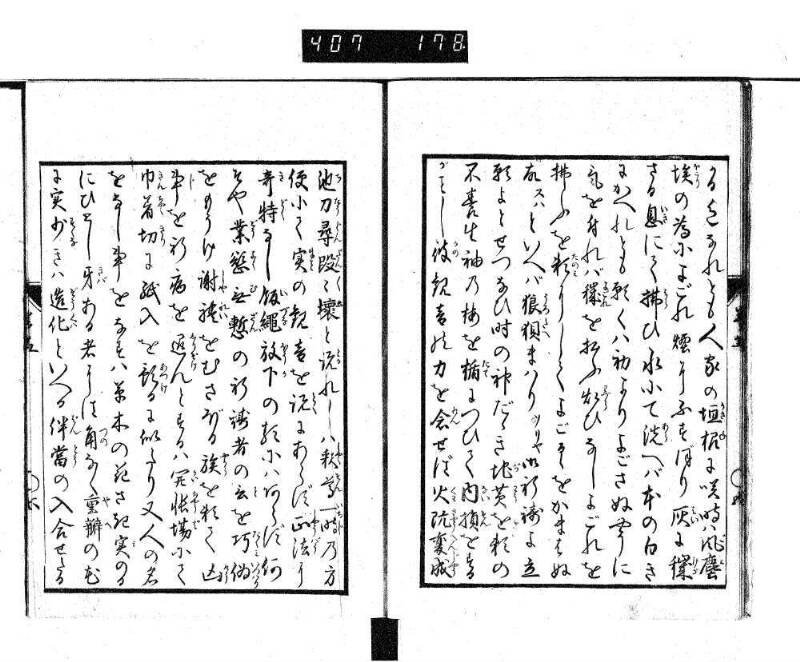
翻刻
【右丁】
かる色なれとも人家の垣根(かきね)に咲時は風塵(ごみ)
埃(ほこり)の為によごれ煙にふすぼり灰(はい)に穢(けが)
さる息(いき)にて払(はら)ひ水にて洗(あら)へば本の白き
にかへれとも願くは初よりよごさぬやうに
気を付れば穢(よごれ)を払ふ煩(わづら)ひなしよごれを
払ふを頼(たのみ)にしてよごるゝをかまはぬ
故 ̄スハといへば狼狽(うろたへ)まはり ̄ソリヤ御祈祷よ立
願よとせつなひ時の神だゝき地黄(ぢわう)を頼の
不養生袖の梅を楯(たて)につひて内損(ないそん)をする
がことし彼(かの)観音の力を念(ねん)せば火阬(くわきやう)変成(へんじやう)
【左丁】
池刀尋(ちたうじん)段々(だん〳〵)壊(ゑ)と説(とか)れしは釈尊(しやくそん)一時(いちじ)の方
便にて実(まこと)の観音を説(とく)にあらず正法(しやうばう)に
奇特(きどく)なし飯縄(いづな)放下(ほうか)の類にはあらず何
そや業慾(ごうよく)無慙(むざん)の祈祷者の云(こと)を巧(たくみ )偽(いつはり)
をもうけ謝礼(しやれい)をむさぼる族(やから)を頼て凶(けう)
事(じ)を祈病を退(しりぞけ)んとするは開帳場(かいちやうば)にて
巾着切(きんちやくきり)に紙入を預(あつけ)るに似たり又人の名
をなし事をなすは草木の花さき実(み)のる
にひとし牙(きば)ある者には角(つの)なく重弁(やへ)の花
に実/少(すくな)きは造化(ぞうくは)といへる伴当(ばんたう)の入合せたる
現代語訳
【右丁】
かる色であるけれども、人家の垣根に咲く時は風塵や埃のために汚れ、煙にくすぼり灰に穢される。息で払い、水で洗えば元の白さに戻るけれども、願わくは初めから汚さないように気をつければ、穢れを払う煩いはない。汚れを払うことを頼みにして汚れることを構わないから、「さあ大変だ」と言えば狼狈えまわり、「それ、御祈祷よ、立願よ」と、切羽詰まった時の神頼み。地黄を頼みにする不養生で、袖の梅を盾にして内損をするようなものである。かの観音の力を念ずれば火坑も変成し、
【左丁】
池・刀・尋も段々と壊れると説かれたのは、釈尊一時の方便であって、真実の観音を説くものではない。正法に奇特はなし。飯縄・放下の類ではない。何故か、業欲無慙の祈祷者が巧みな偽りを設け、謝礼を貪る連中を頼んで凶事を祈り、病を退けようとするのは、開帳場で巾着切りに紙入れを預けるに似ている。また人が名を成し事を成すのは、草木の花が咲き実がなるのと同じである。牙ある者には角がなく、八重の花に実が少ないのは、造化という番頭の采配によるものである。
英語訳
【Right Page】
though it may be a light color, when it blooms on house fences, it becomes dirty from wind, dust, and grime, soiled by smoke and defiled by ash. Though it returns to its original whiteness when blown clean with breath and washed with water, it would be best to take care not to soil it from the beginning - then there would be no trouble of cleaning away impurities. Because people rely on cleaning away dirt and don't mind getting dirty, when trouble strikes they panic and cry "Oh my, we need prayers and vows!" - this desperate reliance on gods in times of crisis. It's like neglecting one's health while depending on rehmannia root, using plum blossoms on sleeves as a shield while causing internal damage. It was taught that by contemplating the power of Kannon, even fire pits would transform,
【Left Page】
and pools, swords, and depths would gradually crumble - but this was Buddha's expedient teaching for that time, not an explanation of the true Kannon. There are no miracles in the true Dharma. This is not the same as Izuna or Hōka practices. Why is it that people rely on greedy, shameless prayer practitioners who devise clever deceptions and covet offerings, trying to pray away misfortunes and drive away illnesses? This is like entrusting your wallet to a pickpocket at a temple exhibition. Moreover, when people achieve fame and accomplish things, it is like grass and trees flowering and bearing fruit. That creatures with fangs have no horns, and double-petaled flowers bear little fruit, is the arrangement of Creation's steward.