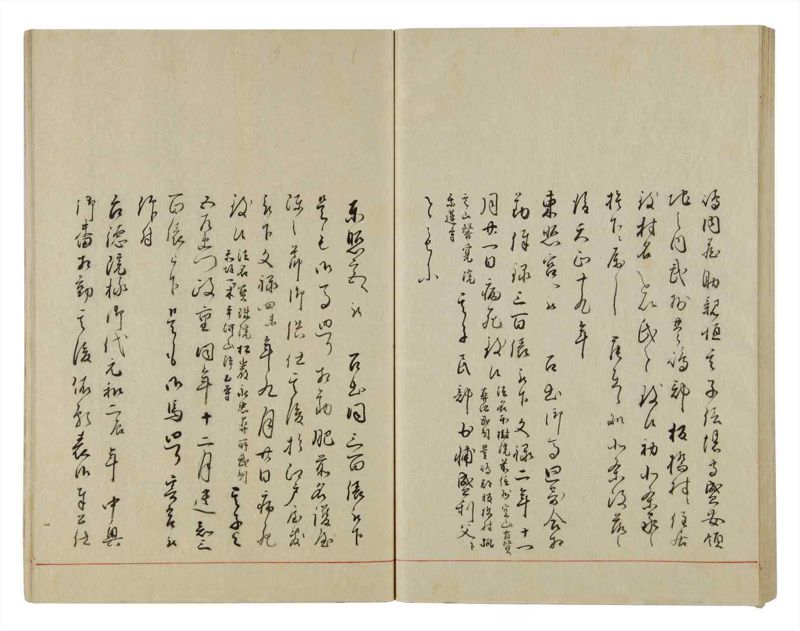
翻刻
嶋内蔵助親恒其子信濃守盛安領
地之内武州豊嶋郡板橋村ニ住居
致村名を以氏と致候初北条家之
旗下ニ属し罷在候処北条没落之
後天正十九年
東照宮へ被 召出御馬廻寄合相
勤俸録三百俵被下文禄二年十一
月廿一日病死致候《割書:法名本樹院前信■空山有賢
葬所武州豊嶋郡板橋村孤》
《割書:雲山馨覚院
乗蓮寺》其子民部少輔盛利父ト
ともに
東照宮へ被 召出同三百俵被下
是も御馬廻り相勤肥前名護屋
陣之節御供仕其後於江戸屋敷
被下文禄四未年九月廿日病死
致候《割書:法名宝珠院松厳永忠葬所武州
赤坂一ツ木平河山浄土寺》其子与
五左衛門政重同年十二月遺知三
百俵被下是も御馬廻り寄合被
仰付
台徳院様御代元和二辰年中奥
御番相勤其後依願表御奉公仕
現代語訳
島内蔵助親恒、その子信濃守盛安の領地のうち武州豊島郡板橋村に住居し、村名をもって氏としました。はじめ北条家の旗下に属していましたが、北条没落の後、天正十九年に
東照宮(徳川家康)に召し出され、御馬廻寄合を勤め、俸禄三百俵を下されました。文禄二年十一月二十一日に病死しました《法名本樹院前信■空山有賢、葬所武州豊島郡板橋村孤》
《雲山馨覚院乗蓮寺》その子民部少輔盛利は父とともに
東照宮に召し出され、同じく三百俵を下され、これも御馬廻りを勤めました。肥前名護屋陣の節にお供し、その後江戸に屋敷を下されました。文禄四年九月二十日に病死しました《法名宝珠院松厳永忠、葬所武州赤坂一ツ木平河山浄土寺》その子与五左衛門政重は同年十二月に遺知三百俵を下され、これも御馬廻り寄合を仰せ付けられました。
台徳院様(二代将軍秀忠)の御代、元和二年中に奥御番を勤め、その後願いにより表御奉公を仕りました。
英語訳
-shima Kuranosuke Chinetsu, whose son Shinano-no-kami Moriyasu resided in Itabashi Village in Toshima District, Musashi Province, within his domain, and took the village name as his family name. Initially he belonged to the Hōjō family's banner forces, but after the fall of the Hōjō, in Tenshō 19 (1591),
he was summoned by Tōshō-gū (Tokugawa Ieyasu) and served as goba-mawari yoriai (mounted guard assembly), receiving a stipend of 300 hyō. He died of illness on the 21st day of the 11th month of Bunroku 2 (1593) 《Buddhist name Honju-in Zenshin■Kūzan Yūken, buried at Ko in Itabashi Village, Toshima District, Musashi Province》
《Unzan Keikaku-in Jōrenji Temple》His son Minbu-shōyū Moritoshi, together with his father,
was summoned by Tōshō-gū and likewise granted 300 hyō, also serving as goba-mawari. He accompanied the lord during the Hizen Nagoya campaign and was later granted a residence in Edo. He died of illness on the 20th day of the 9th month of Bunroku 4 (1595) 《Buddhist name Hōshu-in Shōgon Eichū, buried at Jōdoji Temple on Hirakawayama in Hitotsugi, Akasaka, Musashi Province》His son Yogosaemon Masashige was granted the inherited knowledge of 300 hyō in the 12th month of the same year and was also appointed to goba-mawari yoriai.
During the reign of Taitoku-in-sama (Second Shogun Hidetada), he served as oku-goban (inner guard) in the 2nd year of Genna (1616), and later, upon his request, served in omote-gohōkō (outer service).