翻刻
【右丁】
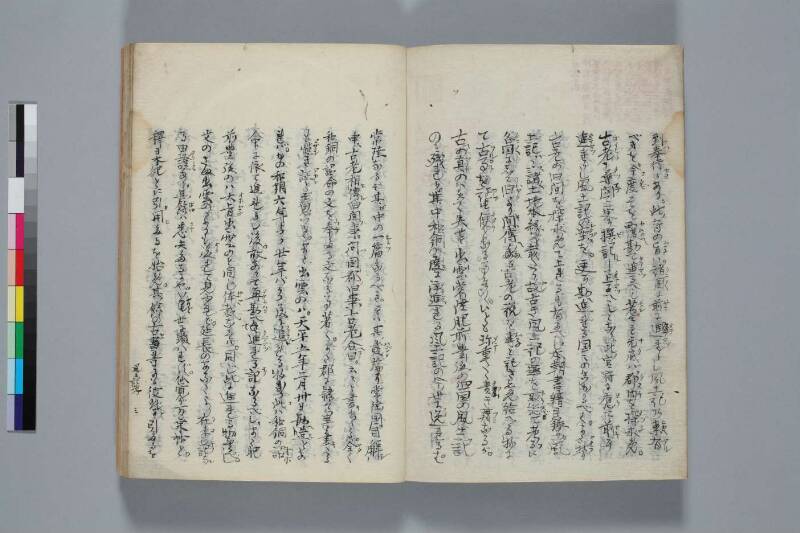
到 ̄テハ奉行 ̄セヨ とあり。此 ̄ノ府の旨(ムネ)は。諸国(クニ〳〵)に前(サキ)に進(タテマツ)れりし風土記の案有(ヒカヘアル)
べきを。今度(コタビ)そを覆勘(カムカヘ)て進(タテマツ)るべし若(モシ)それ無底(ナク)ば郡内(クヌチ)を探(タヅネ)求め。
古老(オイビト) ̄ヲ尋問(タツネ)て更に撰 ̄ビ記 ̄ル して上(タテマツ)るへしとなり。此 ̄ノ官府に応(ヨリ)【應】て前(サキ)に
進(タテマツ)れりし風土記の案(シタガキ)を。更に勘 ̄ヘ進れる国々の多かるべく。また新(アタラ)に
古老の旧聞【「間」とあるは誤記と思われる】を探求めて上れるも有るべし。本朝書籍目録に。風
土記 ̄ハ々 ̄ス_二諸〳〵土地本縁と載たり故(カレ)古き風土記の趣を取総(トリスベ)て考 ̄フ るに
各国(クニ〳〵)にして。旧(ハヤク)より聞(キヽ)伝 ̄ヘ【傳】たる古老の説を専(ムネ)と記さしめ給へる物に
て古事(フルコト)を証(アカ)す便(タヨリ)となる事多く。いとも珍重(メテ)たく貴(タフト)き籍(フミ)なるが。
古 ̄ヘ の真(マコト)のは多く失せて出-雲常-陸肥-
前豊-後の四国の風土記
のみ残れり。其中和銅の度(トキ)に注進(タテマツ)れる風土記の今 ̄ノ世に逸(ノコ)れるは。
【左丁】
常陸なるぞ其 ̄ガ中の一篇(ヒトツ)なるべき。そは其 ̄ノ発端(ハジメ)に常陸 ̄ノ国-司解- ̄シ
申 ̄ス古老相- ̄ヒ伝 ̄ル【傳】旧聞 ̄ノ事。問 ̄フニ_二国-郡 ̄ノ旧事 ̄ヲ_一古老合 ̄ヘテ曰 ̄ク云々と書 ̄キ出たるは。全(マタ)く
和銅の詔命の文を奉(ウケ)たる文なる事著く。また郡に隷て里と書 ̄キ たる
も慥(マサシ)き証(アカシ)とぞ思はるゝ。また出雲のは。天平五年二月卅日勘- ̄ヘ慥 ̄ル とあ
れば。かの和銅六年より廿年ばかり後に進(タテマツ)れる物なり此(コ)は和銅の詔(オホ)
命に依て進れりし後。故ありて再勘(マタカムカ)へて進(タテマツ)れる記(モノ)なるべし。また肥
前豊後のは大旨(オホムネ)出雲のと同じ体裁(サマ)なれば。同じ此に進れる物なるべし。
文のさま出雲のよりも後(オク)れて見ゆれど。延長のあなたより在 ̄リ来(コ)し記(モノ)な
る由 證(ヨリトコロ)あり。其 ̄ノ余(ホカ)【餘】は悉(ミナ)夫たるにや。いまだ世に顕はれず。仙覚が万葉抄と。
釈日本紀とに引 ̄キ用 ̄ヒ たるを始め。其 ̄ノ余【餘】の古 ̄キ書等にも彼此 ̄レに引たるを
風土記 三
現代語訳
【右丁】
到達したら奉行せよ、とある。この府の趣旨は、諸国に以前に献上した風土記の控えがあるはずなので、今度はそれを再検討して献上すべきである。もしそれがなければ、郡内を探し求め、古老を尋問して改めて選んで記録し、献上すべきである、ということである。この官府の指示に応じて、以前に献上した風土記の控えを改めて検討して献上した国々が多かったであろう。また新たに古老の旧聞を探求して献上したものもあったであろう。本朝書籍目録に、風土記は「諸々土地本縁」として記載されているので、古い風土記の趣旨を総合して考えるに、各国において、昔から聞き伝えられた古老の説を主として記録させられた物で、古事を証明する手がかりとなることが多く、とても珍重すべき貴重な書籍である。しかし、古来の真の風土記は多く失われて、出雲・常陸・肥前・豊後の四国の風土記のみが残っている。その中で和銅の時代に献上された風土記で現在の世に残っているのは、
【左丁】
常陸だけがその中の一篇であるべきである。それはその冒頭に「常陸国司解し申す、古老相伝える旧聞の事。国郡の旧事を問うに、古老合わせて曰く云々」と書き出されているのは、まさに和銅の詔命の文を受けた文であることが明らかである。また郡に属して里と書いてあるのも確かな証拠と思われる。また出雲のものは、「天平五年二月三十日勘へ確る」とあるので、あの和銅六年より二十年ばかり後に献上された物である。これは和銅の詔命によって献上された後、何らかの理由で再検討して献上された記録であろう。また肥前・豊後のものは大体出雲のものと同じ体裁なので、同じ頃に献上された物であろう。文の様子は出雲のものより後に作られたように見えるが、延長の時代より以前から存在していた記録である由縁がある。その他は全て散逸したのであろうか、いまだ世に現れない。仙覚が万葉抄と釈日本紀とに引用したのを始め、その他の古い書等にもあちこちに引用されたものを
風土記 三
英語訳
[Right page]
When [the documents] arrive, carry out the administration, it states. The intent of this official directive is that the various provinces should have drafts of the fudoki (provincial gazetteers) previously submitted, and this time they should review these and resubmit them. If these do not exist, they should search within the counties, question the elderly, and compile new records to submit. Many provinces likely responded to this official directive by reviewing and resubmitting drafts of previously submitted fudoki. There were probably also those who newly investigated the old accounts of elders and submitted them. According to the Honchō Shojaku Mokuroku (Catalog of Japanese Books), fudoki are recorded as "various local origins," so considering the overall intent of ancient fudoki, they were primarily records of accounts passed down by elders in each province from ancient times, serving as valuable evidence for ancient matters, making them extremely precious and valuable texts. However, many of the original ancient fudoki have been lost, with only those of four provinces remaining: Izumo, Hitachi, Hizen, and Bungo. Among these, the fudoki submitted during the Wadō era that survive to the present day are
[Left page]
only Hitachi, which should be considered one volume among them. This is clear because it begins with "The Hitachi provincial governor reports on matters of old accounts passed down by elders. When questioning about the old affairs of provinces and counties, the elders together said..." This is clearly text that follows the Wadō imperial edict. The fact that it records "villages" (sato) under "counties" (gun) also seems to be reliable evidence. The Izumo fudoki states "investigated and confirmed on the 30th day of the 2nd month of Tenpyō 5," so it was submitted about twenty years after Wadō 6. This was likely a record that was re-examined and resubmitted for some reason after being initially submitted according to the Wadō edict. The Hizen and Bungo fudoki have generally the same format as Izumo's, so they were probably submitted around the same time. Though the style of writing appears later than Izumo's, there is evidence that these were records existing from before the Enchō era. Have all the others been completely lost? They have not yet appeared in the world. Beginning with Senkaku's citations in the Man'yōshū Commentary and the Shaku Nihongi, various other ancient books have also cited them here and there.
Fudoki Volume 3