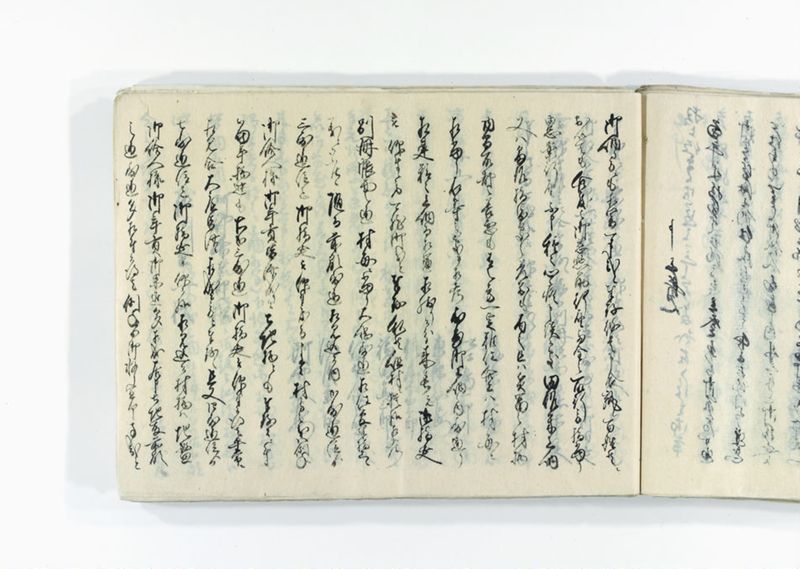
翻刻
御納り方ニも相響可申哉と奉存彼是申合孰レ百姓共ニ
おいても此度之御慈悲筋行届両全之取行方指當り
思案行届不申種々心疼申談候處田作米上納
又ハ畠作指帋處之差別も有之且ハ貧冨之村柄
内間取都之善悪も有之旁一定難仕此上ハ村毎ニ
相當り右等之處ヲ相考歩懸御上納之内歩通り
相建精々上納為相運相残り候分来春え御指延
被 仰付候方可然御義と奉存私共組村ニ模様相考
別冊帳面之通村毎ニ當り大綱歩通相仕管奉指上候
義ニ御座候随而前顕歩通相見込候内弐歩通位ゟ
三歩通位迄御指延被仰付度旨申上候村方之義ハ例年
御給人様御年貢皆済成り候土地柄とも奉存候ニ付
當年柄迚も右弐三歩通御指延被仰付候得者平常ニ
相見合大底皆済ニ相成候方と奉存候且又四歩通位ゟ
七歩通位迄御指延被 仰候様相見込候村柄ハ地盤
御給人様御年貢御未進多相成居申土地故前顕
之通歩通多相付候得者例年ゟ収り【ヵ】宜布方哉と
現代語訳
お納め方にも相響くことになるのではないかと存じます。あれこれ申し合わせ、いずれにしても百姓たちにおいても、この度のご慈悲筋が行き届き、両全の取り行い方に差し当たり、思案が行き届かず、種々心配して申し談じましたところ、田作米上納、または畠作指紙処の差別もございます。かつは貧富の村柄、内間取りまとめの善悪もあり、かたがた一定し難く、この上は村ごとに当たって、右等の処を相考え、歩懸ご上納のうち歩通りを相建て、精々上納のため運営し、残り候分を来春へご指延を仰せ付けられる方が然るべきご義と存じます。
私どもの組村について模様を相考え、別冊帳面の通り村ごとに当たって大綱歩通りを相仕り、つつしんで指し上げ候義でございます。したがって前に顕れた歩通りを見込み候うち、二歩通り位から三歩通り位まで御指延を仰せ付けいただきたき旨申し上げ候村方の義は、例年ご給人様のご年貢皆済になり候土地柄とも存じ候につき、当年柄といえども右の二、三歩通りご指延を仰せ付けられ候えば、平常に見合わせ大底皆済に相成り候方と存じ候。
かつ又四歩通り位から七歩通り位まで御指延を仰せ候よう見込み候村柄は、地盤でご給人様のご年貢のご未進が多く相成り居り申す土地ゆえ、前に顕れた通り歩通りを多く相付け候えば、例年より収まりがよろしき方かと
英語訳
We believe this might also affect the payment collection methods. Having discussed various matters, in any case, even for the peasants, this merciful measure would be thorough, and regarding the implementation methods that would benefit all parties, our immediate deliberations have not been adequate, and we have discussed various concerns. There are differences between rice tribute from rice fields and certificates from dry fields, as well as differences in the wealth and poverty of village conditions and the quality of internal collection management, making it difficult to standardize across the board.
Therefore, we believe it would be appropriate to address each village individually, consider these circumstances, establish payment rates within the deferred tribute payments, operate diligently for tribute collection, and have the remaining portions extended until next spring.
Considering the conditions of our affiliated villages, we have addressed each village individually according to the separate ledger book, established general payment rates, and respectfully submit this matter. Consequently, among those villages that anticipate the aforementioned payment rates, those requesting extensions of about two to three payment rates are areas where the stipend recipients' annual tributes are typically completed each year. Therefore, even given this year's circumstances, if extensions of these two to three payment rates were granted, we believe they would generally achieve complete payment compared to normal years.
Furthermore, villages that anticipate extensions of about four to seven payment rates are lands where many stipend recipients' annual tribute arrears have accumulated. Therefore, if many payment rates were assigned as previously mentioned, the collection might be better than in typical years.