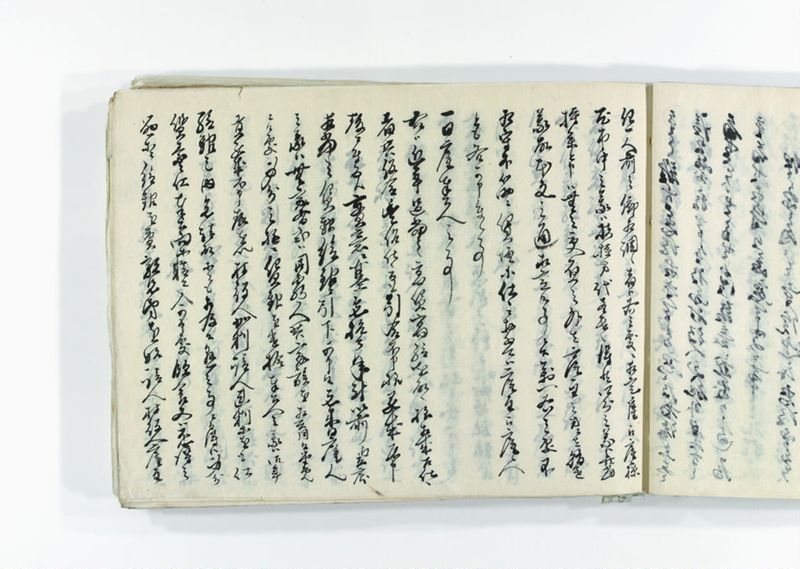
翻刻
任一人前之働相調候者ハ右之處ニ相定雇被雇候様
尤市中之義ハ扶持方代差遣候得共郷分之義ハ弁當
持参と申ハ無之受負之外者雇主之方ニ者賄遣
義故本文之通相定候事ニ候萬一右之處不
相守不筋ニ賃増等仕候ニおゐてハ雇主被雇人
とも右可申付候事
一日雇奉公人之事
右ハ近年過當之高賃高給を取候様相成召仕候
者共仮令豊作仕候而も引合不申様罷成居申
趣ニ付而ハ實意ニ基先拾ケ年計以前江立戻
相當之賃銀給銀ニ引下可申候元来日雇人
之義ハ無家居或ハ困窮人共家族を相育て候ため
ニ候處身分之遊ニ賃銀を遣捨奉公人之義ハ御年
貢罷成不申趣を以村役人加判請人連判等をも仕
給銀之内先請取等ニも相及候懸之事ニ候得ハ身分
質素ニ仕奉公向等精ニ入可申處飲食又ハ不心得之
筋等ニ給銀を費親兄弟を始請人村役人雇主
現代語訳
一人前の働きに相応しく勤めを果たす者については、右の通りに相定めて雇い雇われるようにすること。もっとも市中の義については扶持方代を差し遣わすけれども、郷分の義については弁当持参ということはなく、請負の外の者は雇主の方で賄いを遣わす義であるため、本文の通り相定めたことである。万一右の処を相守らず、筋違いに賃金増加等を仕すにおいては、雇主・被雇人ともに右を申し付けるべきこと
一、日雇奉公人の事
右については近年過当な高賃金・高給を取るようになり、召し使う者共は、たとえ豊作を仕候ても引き合わないような有様になっている趣につき、実意に基づき先の十ヶ年計り以前に立ち戻り、相当の賃銀・給銀に引き下げるべきである。元来日雇人の義については無家居或いは困窮人共が家族を相育てるためのものである処、身分を越えた遊びに賃銀を遣い捨て、奉公人の義については御年貢が罷り成らない趣を以て、村役人加判・請人連判等をも仕し、給銀の内から先請取等にも相及ぶ懸かりの事であれば、身分を質素に仕し、奉公向等を精を入れて申すべき処、飲食又は不心得の筋等に給銀を費やし、親兄弟を始め請人・村役人・雇主
英語訳
Those who work adequately as full-fledged workers should be employed according to the rates established above. While in urban areas meal allowances are provided, in rural districts there is no practice of bringing one's own lunch, and except for contract workers, employers are obligated to provide meals, which is why these rates have been established as stated in the main text. Should anyone fail to observe these provisions and improperly increase wages, both employers and employees shall be subject to punishment.
1. Regarding day laborers and servants
In recent years, excessively high wages and salaries have become common, and those who employ them find that even in years of good harvest, the accounts do not balance. Based on genuine considerations, wages and salaries should be reduced to appropriate levels, returning to those of about ten years ago. Originally, day laborers were meant for the homeless or impoverished people to support their families, but they squander their wages on entertainment beyond their station. As for servants, because they cannot pay the annual tax, village officials provide co-signatures and guarantors also provide joint signatures, and this leads to advance payments from their salaries. While they should live frugally according to their station and devote themselves diligently to their service, they instead spend their salaries on food and drink or other imprudent pursuits, troubling their parents, siblings, guarantors, village officials, and employers.