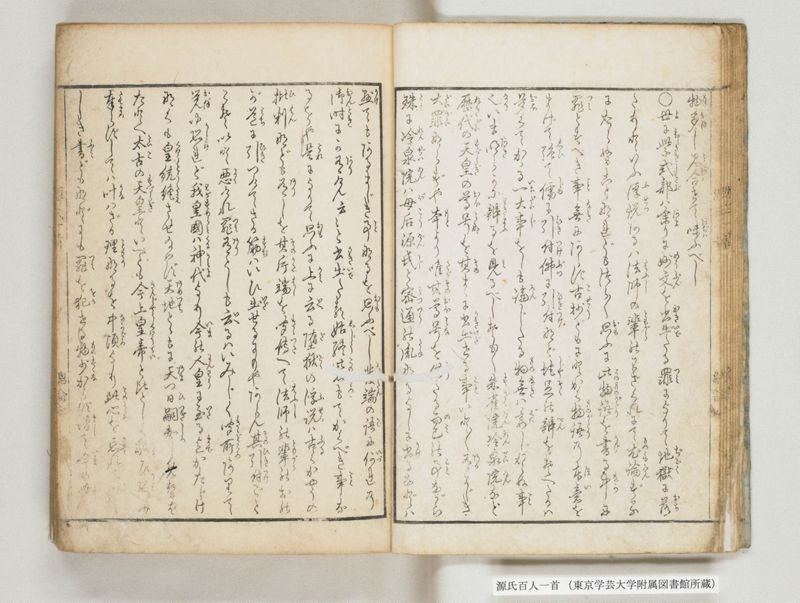
翻刻
【右丁】
物(もの)多(おほ)し見合(みあは)せて味(あぢは)ふべし
○世(よ)に紫式部(むらさきしきぶ)は余(あま)りに妙文(めうぶん)を書出(かきいで)たる罪(つみ)によりて地獄(ぢごく)に落(おち)
たりといふ浮説(ふせつ)あるは法師(はふし)の輩(ともがら)のわざくれにて尤(もつとも)論(ろん)ずる
にたらぬことなれどもつら〳〵思(おも)ふに此(この)物語(ものがたり)を書(かけ)る中(なか)に
罪(つみ)とすべき事(こと)無(なき)にあらず古抄(こせう)どもにとかく物語(ものがたり)の本意(ほい)を
まげて強(しひ)て儒(じゆ)に引付(ひきつけ)仏(ぶつ)に引付(ひきつけ)など蛇足(じやそく)の弁(べん)をそへたるは
多(おほ)くてかゝる一大事(いちだいじ)をしも論(ろん)じたる物(もの)無(なき)は委(くは)しからぬ事(こと)
也(なり)いま明(あき)らかに弁(わきまふ)るを見(み)るべしそも〳〵朱雀院(すざくゐん)冷泉院(れんせいゐん)など
歴代(れきだい)の天皇(すべらぎ)の尊号(おほみな)を其(その)まゝに書出(かきいだ)せる事(こと)いと〳〵ゆ有(ある)まじき
大罪(だいざい)ならずや本(もと)より唯(たゞ)其(その)尊号(おほみな)を借(かり)【別本より】たる而已(のみ)の事(こと)ながら
殊(こと)に冷泉院(れんぜいゐん)は母后(ぼこう)源氏(げんじ)と密通(みつつう)の胤(たね)なるよしに書(かけ)るなどは
【左丁】
懸(かけ)てもあるまじき事(こと)なるを思(おも)ふべし発端(ほつたん)の語(ご)に何(いづ)れの
御時(おんとき)にか有(あり)けん云々と書出(かきいで)たる始終(しじう)此心(このこゝろ)【別本による】もてかくべき事(こと)な
るをや是(これ)によりて思(おも)ふに上(かみ)に云(いへ)る堕獄(だごく)の浮説(ふせつ)は古(ふる)くかやうの
批判(ひはん)なども有(あり)しを其(その)片端(かたはし)を聞(きゝ)伝(つた)へて法師(はふし)の輩(ともがら)のおの
が道(みち)に引(ひき)つけてさる筋(すぢ)はいひ出(いだ)せるにもやあらん其(その)引付(ひきつけ)ごと
こそいと悪(にく)けれ罪(つみ)有(あり)としも云(いへ)るはいみじく聞(きゝ)所(どころ)ありて
覚(おぼ)ゆ恐(かしこけ)れど我(わが)皇国(すめらみくに)は神代(かみよ)より今(いま)の人皇(にんわう)に至(いた)る迄(まで)かたじけ
まくも皇統(くわうとう)絶(たえ)させ給はず天地(あめつち)とゝもに天(あま)つ日嗣(ひつぎ)知(しろ)しめせば
たとへ太古(たいこ)の天皇(すべらぎ)といへども今上皇帝(きんじやうくわうてい)とひとしく敬(うやま)ひ恐(かしこ)み【別本による】
奉(たてまつ)らずしては叶(かな)はざる理(ことわり)なるを中頃(なかごろ)より此心(このこゝろ)を忘(わす)れて道々(みち〳〵)【別本による】
しき書(ふみ)どもなどにも罪(つみ)を犯(をか)せる物(もの)少(すくな)からず増(まし)て今(いま)の世(よ)の
現代語訳
【右丁】
物が多い。見比べて味わうべきである。
○世間に紫式部は余りに巧妙な文章を書き出した罪によって地獄に落ちたという根拠のない説があるが、これは僧侶たちの戯言であって、最も論ずるに値しないことである。しかしつらつら思うに、この物語を書く中に罪とすべきことが無いわけではない。古い注釈書類では、とかく物語の本意を曲げて、無理に儒教に結び付け、仏教に結び付けるなど蛇足の弁明を添えたものは多いが、このような重大事をも論じたものが無いのは不十分なことである。今明らかに弁別することを見るべきである。そもそも朱雀院、冷泉院など歴代の天皇の尊号をそのまま書き出したことは、非常にあるまじき大罪ではないか。元よりただその尊号を借りただけのことではあるが、特に冷泉院は母后が源氏と密通した子であるように書くなどは
【左丁】
決してあってはならないことであることを思うべきである。冒頭の語に「いずれの御時にかありけん云々」と書き出した始終この心でかくべきことであるのに。これによって思うに、上に言った堕獄の根拠なき説は、古くこのような批判などもあったのを、その片端を聞き伝えて僧侶の仲間が自分の道に引き付けてそのような筋を言い出したのかもしれない。その引き付け事こそ非常に憎らしい。罪があるとも言うのは非常に聞くべきところがあると思われる。恐れ多いが、わが皇国は神代より今の人皇に至るまで、かたじけなくも皇統が絶えることなく、天地とともに天つ日嗣を治めていらっしゃるので、たとえ太古の天皇といえども今上皇帝と等しく敬い恐れ申し上げなくては叶わない理であるのに、中頃よりこの心を忘れて道々しい書物などにも罪を犯したものが少なくない。まして今の世の
英語訳
【Right Page】
There are many such works. One should compare them and savor the differences.
○There is a groundless theory in the world that Murasaki Shikibu fell into hell due to the sin of writing excessively skillful literature, but this is nonsense by Buddhist monks and is utterly unworthy of serious discussion. However, upon careful reflection, it is not that there are no matters that could be considered sinful in writing this tale. Among the old commentaries, many have distorted the true intent of the tale by forcibly connecting it to Confucianism or Buddhism, adding superfluous justifications, but none have discussed such serious matters, which is inadequate. Now one should see my clear distinction on this matter. Is it not an utterly impermissible grave sin to write out directly the imperial names of successive emperors like Suzaku-in and Reizei-in? Originally it was merely borrowing those imperial names, but particularly writing that Reizei-in was the offspring of his mother's secret affair with Genji is
【Left Page】
something that should never have been done. The opening words "In which reign was it..." should have been written throughout with this understanding. Based on this, I think the groundless theory of damnation mentioned above may have arisen from ancient criticisms of this sort, with monks hearing fragments of such criticism and adapting it to their own doctrine to create such arguments. Such forced connections are truly detestable. Yet saying there was sin does seem to have considerable merit. Though it is presumptuous to say, in our imperial land the imperial succession has graciously continued unbroken from the age of the gods to the present human emperors, ruling the heavenly succession together with heaven and earth. Therefore, even ancient emperors must be revered and feared equally with the present sovereign emperor - this is the proper principle. However, from the middle period onward, forgetting this principle, there have been many works in various scholarly writings that have committed sins. Even more so in today's world