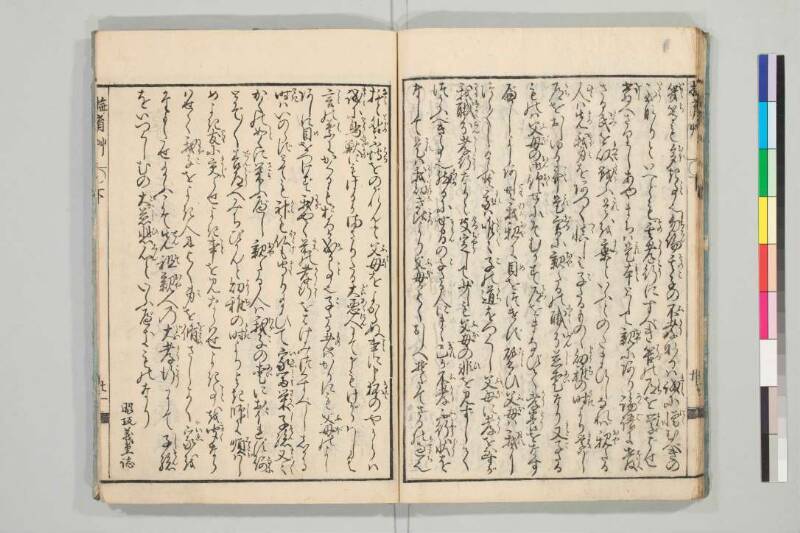
翻刻
【右丁】
幾等(いくら)も多(おほ)き事(こと)也 勿論(もちろん)其子(そのこ)の不孝(ふかう)なるは誠(まこと)に憎(にく)むべきの
至(いたり)なりといへども其(その)孝行(かうこう)にすべき筈(はづ)の道(みち)を学(まな)ばせ
教(をし)へざりしあやまちは是(これ)本(もと)として親(おや)にあり論語(ろんご)に教(をしへ)
さる民(たみ)を以(もつて)戦(たゝか)ふ是(これ)を棄(すつ)といふとのたまひしなれば親(おや)たる
人(ひと)は先(まつ)我身(わがみ)をあつく慎(つゝ)しみ子(こ)たるものゝ幼稚(ようち)の時(とき)より学(まな)ばし
道(みち)をおしゆる事(こと)是(これ)実(じつ)に親(おや)たるの職分(しよくぶん)慈愛(じあい)なり又(また)子(こ)たる
ものは父母(ふぼ)の御(おん)仰(おゝ)せにそむかす道(みち)をまなびて孝養(かうよう)をなす
べしよしあし 共(とも)我親(わがおや)に目(め)をつけず譬(たと)ひ父母(ふぼ)は我(われ)に
つらくし給ふ共 我(われ)は唯々(たゞ〳〵)子(こ)の道(みち)をつくし父母(ふぼ)に孝(かう)をなすが
我(わが)職分(しよくぶん)孝行(かうこう)なりと決定(けつぢやう)して少しも父母(ふぼ)の非(ひ)を見ずして
つかふべき事也 然(しか)るに世間(せけん)の子(こ)たる人にまゝ己(おのれ)が不孝(ふかう)不行状(ふぎやうでう)を
なして是(これ)は我(わか)幼(いとけな)き比(ころ)より父母(ふぼ)がよくおしへそだてざるの過(あやまち)也
【左丁】
抔(なと)と咎(とがめ)不 埒(らち)をのがれんと父母(ふぼ)をよからぬ事(こと)に申 抔(など)のやからは
誠(まこと)に鳥(とり)獣(けだもの)にもはるかまさりたる大悪人(だいあくにん)にて申もけがらわしく
言(こと)の葉(は)にかくるもおろか成(な)る事(こと)也 子(こ)たる者(もの)はかりにも父母(ふぼ)のよし
あしに目(め)をつけず我(わが)やく前(まへ)の孝行(かうこう)をはけみつくすべししかる
時(とき)はいのらずとても神(かみ)も仏(ほとけ)も守(まも)り給ひて家(いゑ)富(とみ)栄(さかへ)子孫(しそん)又々(また〳〵)
かくの如(こと)くに栄(さか)ふべし親(おや)たる人は我子(わがこ)の愛(あい)におぼれず何(なに)
とぞ〳〵善道(ぜんどう)へみちびかんと幼稚(ようち)の時(とき)よりよき師(し)に順(したが)はし
めよき友(とも)に交(まじは)らせよき事(こと)を見ならはせよき事(こと)を聞(きゝ)なら
はせて我子(わがこ)をよき人によく身(み)を脩(をさめ)さしよく家(いゑ)を
たもたせ給ふこそ先祖(せんそ)親(おや)人の大孝行(だいかうこう)にて子孫(しそん)
をいつくしむの大慈悲心(だいじひしん)といふべきものなり
脇坂義堂誌
現代語訳
【右丁】
幾らも多い事である。もちろん、その子の不孝なることは誠に憎むべきことの極みであるといっても、その孝行にすべきはずの道を学ばせ教えなかった過ちは、これは本来として親にある。論語に「教えざる民を以て戦う、これを棄つという」とおっしゃったのであるから、親たる人は先ず我が身を厚く慎み、子たるものの幼稚の時より学ばせ道を教えることが、これ実に親たるの職分・慈愛である。また子たるものは父母の御仰せに背かず道を学んで孝養をなすべし。良し悪し共に我が親に目をつけず、たとえ父母は我につらくし給うとも、我はただただ子の道を尽くし父母に孝をなすが我が職分・孝行なりと決定して、少しも父母の非を見ずして仕えるべきことである。しかるに世間の子たる人にまま、己が不孝・不行状をなして「これは我が幼き頃より父母がよく教え育てざるの過ちなり」
【左丁】
などと咎め・不埒を逃れんと父母を良からぬ事に申すなどの輩は、誠に鳥獣にもはるかに劣りたる大悪人にて、申すもけがらわしく言の葉にかくるもおろかなることである。子たる者は仮にも父母の良し悪しに目をつけず、我が役前の孝行を励みつくすべし。しかる時は祈らずとても神も仏も守り給いて、家富み栄え、子孫また々かくの如くに栄えるべし。親たる人は我が子の愛に溺れず、何とぞ善道へ導かんと、幼稚の時よりよき師に従わせ、よき友に交わらせ、よき事を見習わせ、よき事を聞き習わせて、我が子をよき人によく身を修めさせ、よく家を保たせ給うこそ、先祖・親人の大孝行にて、子孫をいつくしむの大慈悲心というべきものなり。
脇坂義堂誌
英語訳
【Right Page】
There are very many such cases. Of course, while the child's unfilial behavior is truly the height of what should be detested, the fault of not having them learn and not teaching the Way by which they should have been filial originally lies with the parents. In the Analects, it is said, "To lead an untaught people to war is to abandon them." Therefore, those who are parents should first strictly discipline themselves and teach children the Way from their tender years—this is truly the duty and loving-kindness of being a parent. Also, children should learn the Way without disobeying their parents' instructions and practice filial care. Regardless of good or bad, without finding fault with one's parents, even if one's father and mother treat one harshly, one should simply fulfill the Way of the child and practice filial piety toward one's parents as one's duty and filial obligation, serving them without seeing any fault in one's parents. However, among the children in this world, there are some who commit unfilial and improper acts and say, "This is the fault of my parents not properly teaching and raising me from my tender years."
【Left Page】
Those who try to escape blame and wrongdoing by speaking ill of their parents in this way are truly great villains far worse than birds and beasts, and it is defiling to speak of them and foolish to put it into words. Children should never find fault with their parents' good or bad points, but should diligently fulfill their role of filial piety. When they do so, even without praying, the gods and buddhas will protect them, the family will prosper and flourish, and descendants will likewise flourish in this manner. Those who are parents should not be drowned in love for their children, but should somehow guide them to the good Way. From their tender years, they should have them follow good teachers, associate with good friends, learn to observe good things, and learn to hear good things, making their children into good people who cultivate themselves well and preserve their families well. This is the great filial piety of ancestors and parents, and should be called the great compassionate heart of cherishing descendants.
Written by Wakisaka Gidō