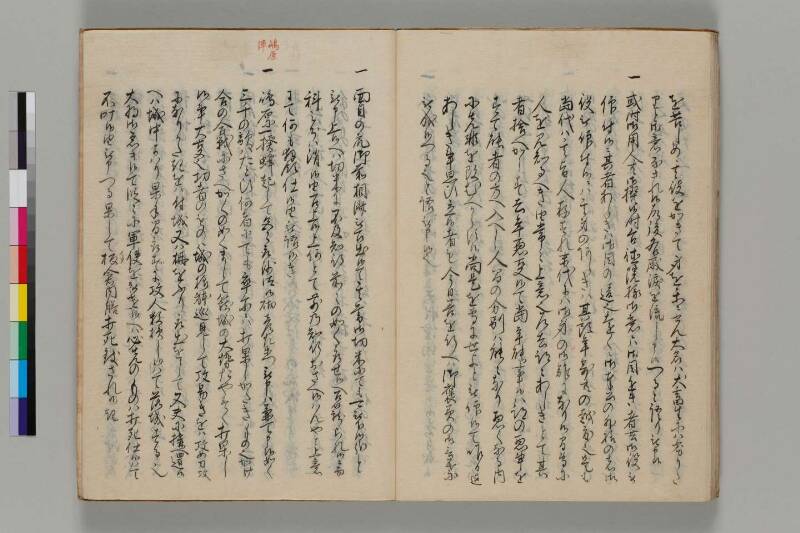
翻刻
を苦しめ其役をかきて身を楽にせん大名は犬畜生に劣りた
りと御意なされ候故後各感涙を流し申候つると語り被申候
一 或時御用人共御撰候時台徳院様御意ニは御目近き者共御役被
仰付候ニ其者あしきは御目の遠也遠くニ御奉公の外様の者御
役被仰付候ニは其身のあしきは其頭年寄共の越度也是も
当代は其旨人存すれ末代には御身の御難になり候間専に
人を見知るへき由常々上意也乍去跡にあしきとて其
者捨へからす去年悪事候て当年能事候は跡の悪事を
すて能者の方へ入へし人間の分別は能になり悪くなる内
に先非を改むへからす候尚是を専にせよと被仰候て昨日迄
あしき事思ひ立候者も今日善を行へは御褒美の御言葉
被成候つる也と語被申候也
一 面目の衆御前相済被召出候て其蓄御切米にても可被下候哉と
被申上候へは切米に不及知行前々の如く取せ候へ召籠被られ候に而
科之分は消候由召上候上何とて前の知行おさへ候はんやと上意
にて何も拝領仕候由被語候き
《割書:嶋原|陣》【上段に朱書】
一 嶋原一揆蜂起して色々取沙汰候砌彦左衛門被申は兼て申候如く
三千の敵はたとひ何者にても卒爾ニは打果しかたきもの也かけ
合の合戦にさへかくの如くまして籠城の大勢たやすく打果し
候事大事也功者のものゝ城の様体巡見して攻易きをは攻め刀攻
になりかたきをは付城又は柵をふり取出をして又夫に構へ還候
へは城中よはり果手間取ずに攻入数損し候はて落城する也
大将御急キ候て段々に軍使を被遣候へは必先のものは打死仕候はて
不叶候由被申つる果して/板(イタ)倉内膳打死致され候き
現代語訳
を苦しめ、その役目を怠けて身を楽にしようとする大名は犬畜生に劣る」と仰せになったので、後に各々感涙を流し申したと語られた。
一 ある時、御用人たちを選ばれる時、台徳院様の御意には「お側近くの者たちにお役目を仰せ付けるのに、その者が悪いのは自分の見識の至らなさである。遠くで御奉公する外様の者にお役目を仰せ付けるのに、その身が悪いのはその頭である年寄たちの過失である。これも当代はその旨を人が理解するが、末代には御身の御難儀になるので、専ら人を見極めるべきである」と常々上意であった。しかしながら、後に悪いといってその者を捨ててはならない。去年悪事があって当年善いことがあれば、後の悪事を捨てて善い者の方に入れるべきである。人間の分別は善くなり悪くなる間に、先非を改めなければならない。なおこれを専一にせよ」と仰せになって、昨日まで悪いことを思い立った者も今日善を行えば御褒美のお言葉をなされたのであると語られた。
一 面目(名誉)を失った衆が御前で相済み(謝罪)されて召し出され、「その蓄えとして御切米でもお与えくださるでしょうか」と申し上げると、「切米には及ばない。知行を前々のように取らせよ。召し籠められたことで罪の分は消えた。召し上げた上で、何として前の知行を押さえることがあろうか」との上意で、何もかも拝領いたした由を語られた。
《島原の陣》
一 島原一揆が蜂起して色々と取り沙汰された頃、彦左衛門が申すには「かねて申すように、三千の敵はたとえ何者であっても軽々しくは打ち果たし難いものである。野戦での合戦でさえこのようであるのに、まして籠城の大勢を容易く打ち果たすことは大変なことである。功者の者が城の様子を巡見して、攻めやすいところは攻め、攻めにくいところは付け城または柵を回らして取り出しをし、またそれに構えて帰れば、城中は弱り果てて、手間取らずに攻め入り、数多くの損失もなくて落城するものである。大将がお急ぎになって段々に軍使を遣わされると、必ず先の者は打ち死にしなければならない」と申されたが、果たして板倉内膳が打ち死にされた。
英語訳
"...would oppress the people and neglect their duties to make their own lives comfortable - such daimyo are inferior to dogs and beasts." Upon hearing this, everyone later shed tears of emotion, as was related.
1. Once, when selecting personal attendants, Lord Hidetada's opinion was: "When appointing those close to me to official positions, if that person proves bad, it is due to my poor judgment. When appointing tozama (outer domain) retainers who serve from afar to positions, if they prove bad, it is the fault of their superiors, the elders. While people of the current generation understand this principle, in future generations it will become a burden for the lord, so one must specialize in discerning people's character" - this was his constant directive. However, he said one should not abandon a person just because they later prove bad. If someone committed wrongdoing last year but does good this year, one should discard their past wrongdoing and place them among the good. Human judgment can turn good or bad, and one must reform past mistakes during this process. "Make this your primary concern," he commanded, so that even those who harbored ill intentions until yesterday would receive words of praise if they performed good deeds today - thus it was related.
1. When those who had lost face appeared before him after making amends and being summoned, they asked, "Might you grant us rice stipends for our sustenance?" He replied, "Rice stipends are unnecessary. Let them receive their fiefs as before. Their confinement has expiated their crimes. Having recalled them, why would I withhold their former fiefs?" With this gracious command, they received everything back, as was related.
《The Shimabara Campaign》
1. When the Shimabara Rebellion erupted and became the subject of much discussion, Hikozaemon said: "As I have previously stated, an enemy force of three thousand, no matter who they may be, cannot be easily defeated through hasty action. Even in open field battles it is thus - how much more difficult it is to quickly defeat a large force in a fortified position. An experienced commander should survey the castle's condition, attack where it is easy to attack, and where it is difficult to attack, construct siege fortifications or palisades with outposts, then prepare and return. The castle's defenders will weaken and exhausted, allowing attack without delay and achieving surrender without heavy losses. If the general rushes and sends messenger after messenger, inevitably the advance forces must fight to the death." Indeed, as he predicted, Itakura Naizen died in battle.