翻刻
【右丁】
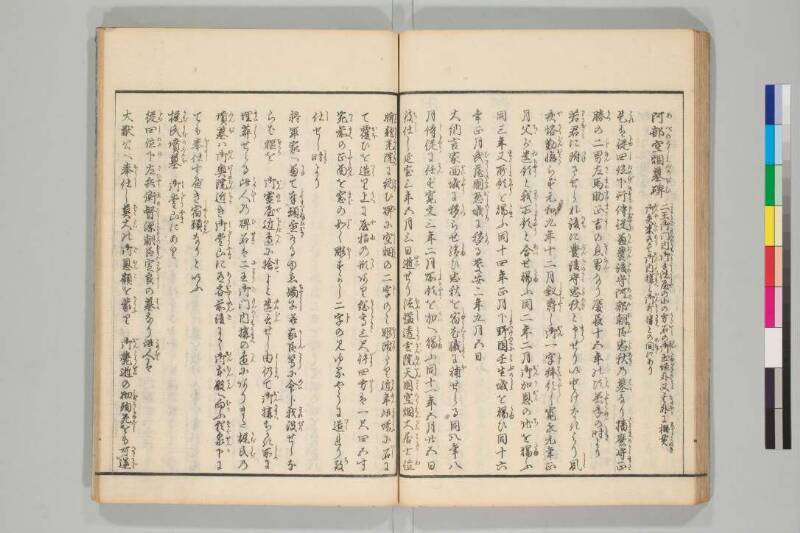
阿部空烟墓碑(あべのくうえんのぼひ)《割書:二王御門内(にわうごもんのうち)御手洗屋(みたらしや)の北の方(かた)石(いし)の御玉垣外(おんたまがきのそと)又 其外(そのほか)に柵貫(しがらみぬき)|御矢來(おんやらい)有(あり)て御内構(おんうちがまへ)と御外構(おんそとかまへ)との間(あひだ)にあり》
是(これ)は従四位下(じゆしゐのげ)行侍従(きやうじじゆう)兼(けん)豊後守(ぶんごのかみ)阿部朝臣忠秋(あべのあそんたゞあき)の墓(はか)なり播磨守(はりまのかみ)正(まさ)
勝(かつ)の二男(じなん)左馬助正吉(さまのすけまさよし)の息男(そくなん)なり慶長十五年の頃(ころ)若年(じやくねん)の时(とき)より【平出】
若君(わかぎみ)に附(つけ)させられ後(のち)に豊後守忠秋(ぶんごのかみたゞあき)と申(まう)せりいとけなきより夙(し[ゆ]く)
夜(や)恪勤(かくごん)懈(おこた)らず元和九年十二月 叙爵(しよじやく)し御(おん)一 字(じ)拜領(はいりやう)し寛永元年正
月 父(ちゝ)が遺領(ゐりやう)と我(わが)所領(しよりやう)と合(あは)せ賜(たま)ふ同二年二月 御加恩(おんかおん)の地(ち)を賜(たま)ふ
同三年 又(また)所領(しよりやう)を賜(たま)ふ同十四年正月 下野國(しもつけのくに)壬生城(みぶのしろ)を賜(たま)ひ同十六
年正月 武蔵國(むさしのくに)悪城(おしのしろ)に移(うつ)る慶安二年九月五日【平出】
大納言家 西城(せいじやう)に移(うつ)らせ給(たま)ひ忠秋を宿老職(しゆくらうしよく)に補(ふ)せらる同八年八
月 侍従(じじゆう)に任(にん)ず寬文三年二月 所領(しよりやう)を加(くは)へ賜(たま)ふ同十一年五月廿五日
致仕(ちし)し延宝三年五月三日 逝(せい)せり法諡(ほふし)透玄院天國空烟大居士(とうげんゐんてんこくくうえんだいこじ)位(ゐ)
【左丁】
牌(はい)龍光院(りうくわうゐん)に納(をさ)む碑(ひ)に空烟(くうえん)の二 字(じ)のみ彫附(ほりつけ)たり近年(きんねん)此塔(このたふ)に石(いし)に
て覆(おほ)ひを造(つく)り上(うへ)に屋根(やね)の形(かた)あり総高(そうたかさ)三尺 許(ばかり)四 方(はう)は一尺四五寸
宛(つゝ)前(まへ)の正面(しやうめん)を窓(まど)の如(ごと)く彫(ほり)すかし二 字(じ)の見ゆるやうに造(つく)れり致(ち)
仕(し)せし时(とき)より【平出】
將軍家へ兼(かね)て奉(たてまつり)_二願置(ねがひおき)_一けるゆゑ嫡子(ちやくし)并 家臣等(かしんとう)に命(めい)じ我(われ)没(ぼつ)せしな
らば軀(むくろ)を 御靈屋(おんれいや)近邊(ちかきへん)に捨(すて)よと遺言(ゆゐごん)せし由(よし)仍(よつ)て御構(おんかまへ)ちかき所(ところ)に
埋葬(まいさう)せらる此人(このひと)の碑石(ひせき)は二王御門内構(にわうごもんのうちかまへ)の邊(へん)にありまた梶氏(かぢうぢ)の
墳墓(ふんぼ)は御奥院(おんおくのゐん)近(ちか)き御堂山(みだうやま)に有(あり)各(おの〳〵)前後(ぜんご)にて御本殿(おんほんてん)へ向(むか)ふ猶(なほ)泉下(せんか)に
ても奉仕(ほうし)すべき宿願(しゆくぐわん)なりといふ
梶氏墳墓(かぢうぢのふんぼ) 御堂山(みだうやま)にあり【平出】
従四位下(じゆしゐのげ)左兵衞督(さひやうゑのかみ)源朝臣定良(みなもとのあそんさだよし)の墓(はか)なり此人(このひと)は【平出】
大猷公へ奉仕(ほうし)し莫大(ばくたい)の御恩顧(ごおんこ)を蒙(かうふ)り 御薨逝(おんこうせい)の砌(みぎり)殉死(じゆんし)をも可(へき)_レ遂(とぐ)
現代語訳
【右丁】
阿部空烟墓碑(二王御門内御手洗屋の北の方、石の御玉垣外、またその外に柵貫・御矢来があって御内構えと御外構えとの間にある)
これは従四位下行侍従兼豊後守阿部朝臣忠秋の墓である。播磨守正勝の二男、左馬助正吉の息男である。慶長十五年の頃、若年の時より若君(家光)にお付きになり、後に豊後守忠秋と申した。幼い時より早朝から夜まで勤勉に仕え怠らず、元和九年十二月に叙爵し、御一字(「忠」の字)を拝領し、寛永元年正月に父の遺領と自分の所領とを合わせて賜った。同二年二月に御加恩の地を賜り、同三年にまた所領を賜った。同十四年正月に下野国壬生城を賜り、同十六年正月に武蔵国忍城に移った。慶安二年九月五日に大納言家(家光)が西城に移られ、忠秋は宿老職に補された。同八年八月に侍従に任じられ、寛文三年二月に所領を加えて賜った。同十一年五月二十五日に致仕し、延宝三年五月三日に逝去した。法諡は透玄院天国空烟大居士。
【左丁】
位牌は龍光院に納めてある。碑には空烟の二字のみを彫り付けてある。近年この塔に石で覆いを造り、上に屋根の形がある。総高さは三尺ほど、四方は一尺四、五寸ずつで、前の正面を窓のように彫りすかし、二字が見えるように造ってある。致仕した時より将軍家へあらかじめ願い出ておいたので、嫡子並びに家臣等に命じて「我が没した後は、遺体を御霊屋近辺に捨てよ」と遺言したということである。よって御構え近き所に埋葬された。この人の碑石は二王御門内構えの辺りにある。また梶氏の墳墓は御奥院近くの御堂山にある。各々前後にて御本殿へ向かう。なお泉下においても奉仕すべき宿願であるという。
梶氏墳墓 御堂山にある。従四位下左兵衛督源朝臣定良の墓である。この人は大猷公(家光)へ奉仕し、莫大な御恩顧を被り、御薨逝の砌に殉死をも遂げるべき
英語訳
【Right Page】
Abe Kūen's Grave Monument (Located within Niō Gate, north of the Sacred Ablution Hall, outside the stone sacred fence, and further beyond where there are barrier posts and sacred palisades, positioned between the inner and outer sacred enclosures)
This is the grave of Abe no Asomi Tadaaki, Junior Fourth Rank, Acting Chamberlain and Governor of Bungo Province. He was the son of Samanosuke Masayoshi, second son of Harima no Kami Masakatsu. From around the 15th year of Keichō, when he was young, he was assigned to serve the young lord (Iemitsu), and later became known as Bungo no Kami Tadaaki. From his childhood, he served diligently from early morning until night without neglect. In the 12th month of Genna 9, he was granted court rank and received one character ("Tada") from the lord's name. In the 1st month of Kan'ei 1, he was granted his father's inherited domain combined with his own territory. In the 2nd month of the same 2nd year, he was granted additional lands of grace. In the same 3rd year, he was again granted territory. In the 1st month of the same 14th year, he was granted Mibu Castle in Shimotsuke Province, and in the 1st month of the 16th year, he moved to Oshi Castle in Musashi Province. On the 5th day of the 9th month of Keian 2, when the Dainagon family (Iemitsu) moved to the Western Castle, Tadaaki was appointed to the position of senior retainer. In the 8th month of the same 8th year, he was appointed as chamberlain. In the 2nd month of Kanbun 3, he was granted additional territory. On the 25th day of the 5th month of the 11th year, he retired, and died on the 3rd day of the 5th month of Enpō 3. His Buddhist posthumous name was Tōgenin Tenkoku Kūen Daikoji.
【Left Page】
His memorial tablet is housed in Ryūkōin. Only the two characters "Kūen" are carved on the monument. In recent years, a stone covering has been made for this pagoda, with a roof-like form on top. The total height is about three shaku, and each of the four sides measures one shaku four to five sun. The front face is carved with an opening like a window, made so that the two characters can be seen. Since he had made a request to the Shogun family before his retirement, he commanded his heir and retainers, leaving the testament: "After my death, abandon my body near the Sacred Mausoleum." Therefore, he was buried in a place near the sacred enclosure. This person's monument stone is located around the inner enclosure of Niō Gate. Also, the Kaji family tomb is located on Midō-yama near the Sacred Inner Sanctuary. Each faces the Sacred Main Hall from front and back respectively. It is said that this represents their perpetual vow to serve even in the afterlife.
Kaji Family Tomb Located on Midō-yama. This is the grave of Minamoto no Asomi Sadayoshi, Junior Fourth Rank, Captain of the Left Palace Guards. This person served the Great Lord Daiyū (Iemitsu) and received tremendous imperial favor. At the time of his lord's death, he was prepared to commit ritual suicide (junshi)