翻刻
160
【右頁上段】
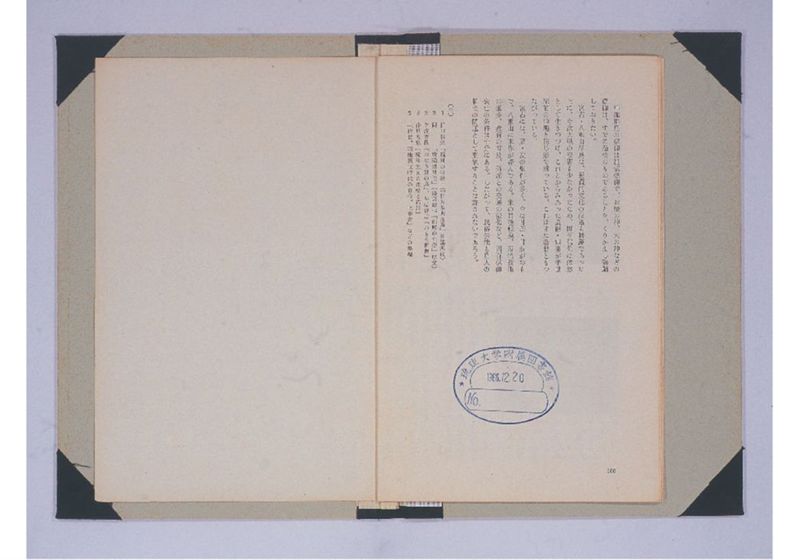
沖縄群島の信仰は祖霊信仰で、お嶽の神、火の神などの
信仰は、すでに過去のものであることを、くりかえし強調
しておきたい。
宮古・八重山群島は、異質的文化の侵透も稀薄であった
上に、今次大戦の被害も少なかったため、固有信仰は依然
として生きつづけ、これとからみあった芸能・娯楽が半世
紀前の沖縄と同じ形で残っている。これはまた農耕ともつ
ながっている。
宮古には、粱・麦の畑作が多く、今は甘蔗・甘藷がおも
で、八重山に米作が盛んである。米の品種転換、栽培技術
の進歩、教育の普及、外部との交通の激化など、固有信仰
衰亡の条件は十分にある。したがって、民俗芸能も島人の
個性の問題として楽観することは許されないであろう。
(注)
1 折口信夫『琉球の宗教』(『世界聖典全集』外纂所載)
2 同 『続琉球神道』(島袋源七『山原の土俗』序文)
3 伊波普猷『おなり神の島』、仲原善忠『おもろ新釈』
4 仲原善忠『琉球王国の性格と武器』
5 『仕置、羽地摂政時代の命令、上申書』などの集録
現代語訳
160
【右頁上段】
沖縄群島の信仰は祖霊信仰であり、お嶽の神、火の神などの信仰は、すでに過去のものであることを、繰り返し強調しておきたい。
宮古・八重山群島は、異質的文化の浸透も薄かった上に、今次大戦の被害も少なかったため、固有信仰は依然として生き続け、これと絡み合った芸能・娯楽が半世紀前の沖縄と同じ形で残っている。これはまた農耕とも繋がっている。
宮古には、粟・麦の畑作が多く、今はサトウキビ・甘藷が主で、八重山に米作が盛んである。米の品種転換、栽培技術の進歩、教育の普及、外部との交通の激化など、固有信仰衰亡の条件は十分にある。したがって、民俗芸能も島人の個性の問題として楽観することは許されないであろう。
(注)
1 折口信夫『琉球の宗教』(『世界聖典全集』外纂所載)
2 同 『続琉球神道』(島袋源七『山原の土俗』序文)
3 伊波普猷『おなり神の島』、仲原善忠『おもろ新釈』
4 仲原善忠『琉球王国の性格と武器』
5 『仕置、羽地摂政時代の命令、上申書』などの集録
英語訳
160
【Right Page Upper Section】
I would like to repeatedly emphasize that the faith of the Okinawan islands is ancestral spirit worship, and that faith in the gods of utaki, the fire god, and others is already a thing of the past.
In the Miyako and Yaeyama island groups, the penetration of heterogeneous cultures was also thin, and since they suffered little damage in the recent great war, indigenous faith continues to live on, and the performing arts and entertainment intertwined with it remain in the same form as Okinawa half a century ago. This is also connected to agriculture.
Miyako has much millet and barley cultivation, with sugar cane and sweet potatoes now being primary, while rice cultivation flourishes in Yaeyama. The conditions for the decline and extinction of indigenous faith are fully present: rice variety conversion, advances in cultivation techniques, the spread of education, intensification of communication with the outside world, etc. Therefore, we cannot be optimistic about folk performing arts merely as a matter of the islanders' individuality.
(Notes)
1 Orikuchi Shinobu, "Religion of Ryukyu" (included in the supplementary volume of "Complete Works of World Sacred Texts")
2 Same author, "Continued Ryukyu Shinto" (preface to Shimabukuro Genshichi's "Folk Customs of Yambaru")
3 Iha Fuyū, "Island of the Onari Goddess"; Nakahara Zenchu, "New Interpretation of Omoro"
4 Nakahara Zenchu, "The Character and Weapons of the Ryukyu Kingdom"
5 Collections of "Administrative Orders, Commands and Reports from the Haneji Regent Period," etc.