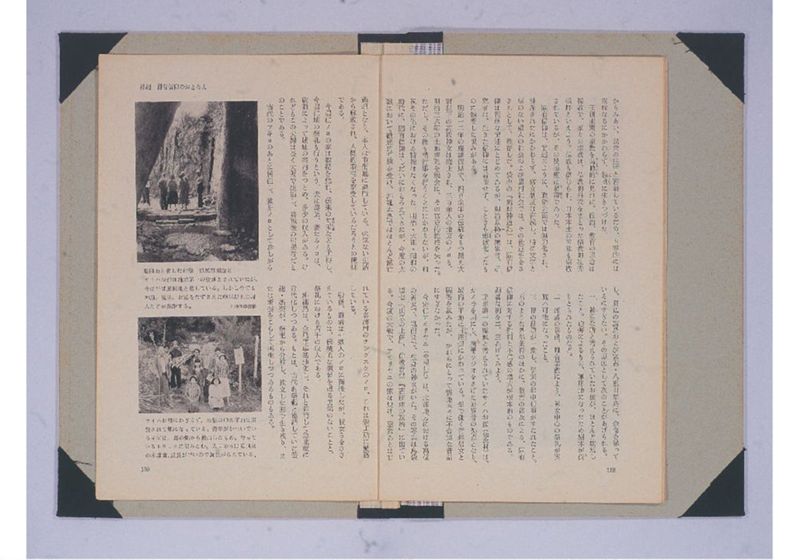
翻刻
158
【右頁上段】
からみあい、民衆の生活と密着しているため、内容的には
空虚なるにかかわらず、執拗(しつよう)に生きつづけた。
王朝末期の宗教を鳥瞰(ちょうかん)的に見れば、政治、教育の理念は
儒教で、家々の宗教は、仏教的外衣をまとった儒教的祖先
崇拝といえよう。仏教も信じられ、日本本土の神社も崇敬
されているが、その侵透度は稀薄(きはく)であった。
固有信仰は、前述のように、政治の面では無力化され、
排斥されたにかかわらず、官女制度は存続し、特に文字と
縁のない婦人の社会および農村社会では、その後進性をさ
さえとして、残存した。袋中の『琉球神道記』は、固有信
仰は簡単な記述にとどめてあるが、明治以降の視察者、研
究者は、生きた信仰には着眼せず、ことさら形骸化したも
のに執着した恨みがある。
明治一二年の廃藩置県で、四百余年の伝統をもつ聞え大
君以下の高級神女は廃止され、三百余人の地方のノロも、
明治二六年の土地整理を機会に、その官吏的性格を失った。
ただし、その後も諸行事を行うことにはかわりないが、租
税その他における特権はなくなった。明治・大正・昭和の
時代に、固有信仰はしだいにおとろえてきたが、今度の大
戦において徹底的打撃を受け、沖縄本島ではほとんど滅亡
【右頁下段】
し、周辺の諸島および宮古・八重山群島に、余命を保って
いるにすぎない。その原因として次のことがあげられる。
一、神聖な所と考えられていたお嶽が、ほとんど壊滅し
たこと。砲弾によるもの、軍用地になったため樹木が伐(き)
りとられたものなど。
二、部落の移動、離合集散により、神女中心の祭礼が実
施不可能になったこと。
三、稲の品種が一変し、従来の年中行事がすたれたこと。
右のような外部条件のほかに、教育の普及による、固有
信仰に対する批判と不信感の増大が根本的のものである。
顕著な例を二、三あげてみよう。
琉球第一の霊地と考えられていたサイハお嶽(知念村)は、
カメラを肩にし、携帯ラジオをさげた遊覧者の拠点となり、
城内の平地は甘藷(かんしょ)畑にかわっている。畑で働く青年男女と
問答を試みたが、かれらにとって霊地云々は不合理な昔話
にすぎなかった。
今帰仁アオリヤエ(今帰仁村)は、北部地方における高位
の神女で、戦前まで、独身の神女がいた。その写真は島袋
源七『山原の土俗』、伊波普猷『古琉球の政治』に出てい
る。今度の大戦で、アオリヤエの家は焼け、屋敷あとは甘
【左頁上段】
藷畑となり、本人は市街地に退散している。味気ない生活
から解放され、人間的幸福を享受しているだろうとの観測
である。
今帰仁ノロの家は戦禍を免れ、伝来の勾玉(まがたま)なども所持し、
今帰仁城の祭礼も行うという。夫は農業、妻たるノロは、
依頼によって城址の案内をつとめ、多少の収入がある。け
れどもこの夫婦は長く大阪で生活し、終戦後の引揚者だと
のことである。
古代のマキヨのあとに居住し、独身ノロとして珍しがら
【左頁下段】
れている名護村のナングスクのノロ、これは鉄工所に勤務
している。
戦後、筆者は十数人のノロに面接したが、彼女らをささ
えているものは、伝統的な慣習を破る勇気のないことと、
祭礼における若干の収入である。
沖縄島は、全島軍事基地化し、それと並行して急速度に
近代化しつつある。もとは、古代的祭祀と連結していた芸
能・娯楽が、祭祀から分岐し、独立した形で生き残り、ま
たは新装をこらして再生しつつあるものもある。
【左頁上段・写真の説明】
遊園地と化したお嶽 島尻郡知念村
サイハお嶽は琉球第一の聖地とされていたが、
今は半ば遊園地と化している。しかし今でも
□□、□□、お□をたずさえた中年以上の婦
人などが参詣する。 川平□□撮影
【左頁下段・写真の説明】
サイハお嶽にかぎらず、お嶽の中の平地は開
墾されて畑になっている。青年がかついでい
る□□は、□の畑から搬出したもの。□って
いるトラックに□みこむ。入口の木は防風林
の□□□。成長が早いので□□がられている。
沖縄 固有信仰のおとろえ
159
現代語訳
158
【右頁上段】
と絡み合い、民衆の生活と密着しているため、内容的には空虚であるにもかかわらず、しつこく生き続けた。
王朝末期の宗教を俯瞰的に見れば、政治・教育の理念は儒教で、家々の宗教は、仏教的外衣をまとった儒教的祖先崇拝といえよう。仏教も信じられ、日本本土の神社も崇敬されているが、その浸透度は薄かった。
固有信仰は、前述のように、政治の面では無力化され、排斥されたにもかかわらず、官女制度は存続し、特に文字と縁のない婦人の社会および農村社会では、その後進性を支えとして、残存した。袋中の『琉球神道記』は、固有信仰について簡単な記述にとどめてあるが、明治以降の視察者、研究者は、生きた信仰には着眼せず、ことさら形骸化したものに執着した嫌いがある。
明治12年の廃藩置県で、400余年の伝統をもつ聞得大君以下の高級神女は廃止され、300余人の地方のノロも、明治26年の土地整理を機会に、その官吏的性格を失った。ただし、その後も諸行事を行うことには変わりないが、租税その他における特権はなくなった。明治・大正・昭和の時代に、固有信仰は次第に衰えてきたが、今度の大戦において徹底的打撃を受け、沖縄本島ではほとんど滅亡
【右頁下段】
し、周辺の諸島および宮古・八重山群島に、余命を保っているにすぎない。その原因として次のことが挙げられる。
一、神聖な所と考えられていたお嶽が、ほとんど壊滅したこと。砲弾によるもの、軍用地になったため樹木が切り取られたものなど。
二、部落の移動、離合集散により、神女中心の祭礼が実施不可能になったこと。
三、稲の品種が一変し、従来の年中行事が廃れたこと。
右のような外部条件のほかに、教育の普及による、固有信仰に対する批判と不信感の増大が根本的なものである。顕著な例を二、三挙げてみよう。
琉球第一の霊地と考えられていたサイハお嶽(知念村)は、カメラを肩にし、携帯ラジオを下げた遊覧者の拠点となり、城内の平地は甘藷畑に変わっている。畑で働く青年男女と問答を試みたが、彼らにとって霊地云々は不合理な昔話にすぎなかった。
今帰仁アオリヤエ(今帰仁村)は、北部地方における高位の神女で、戦前まで、独身の神女がいた。その写真は島袋源七『山原の土俗』、伊波普猷『古琉球の政治』に出ている。今度の大戦で、アオリヤエの家は焼け、屋敷跡は甘
【左頁上段】
藷畑となり、本人は市街地に退散している。味気ない生活から解放され、人間的幸福を享受しているだろうとの観測である。
今帰仁ノロの家は戦禍を免れ、伝来の勾玉なども所持し、今帰仁城の祭礼も行うという。夫は農業、妻たるノロは、依頼によって城址の案内を務め、多少の収入がある。けれどもこの夫婦は長く大阪で生活し、終戦後の引揚者だとのことである。
古代のマキヨの跡に居住し、独身ノロとして珍しがら
【左頁下段】
れている名護村のナングスクのノロ、これは鉄工所に勤務している。
戦後、筆者は十数人のノロに面接したが、彼女らを支えているものは、伝統的な慣習を破る勇気のないことと、祭礼における若干の収入である。
沖縄島は、全島軍事基地化し、それと並行して急速度に近代化しつつある。もとは、古代的祭祀と連結していた芸能・娯楽が、祭祀から分岐し、独立した形で生き残り、または新装を凝らして再生しつつあるものもある。
【左頁上段・写真の説明】
遊園地と化したお嶽 島尻郡知念村
サイハお嶽は琉球第一の聖地とされていたが、今は半ば遊園地と化している。しかし今でも○○、○○、お○を携えた中年以上の婦人などが参詣する。 川平○○撮影
【左頁下段・写真の説明】
サイハお嶽に限らず、お嶽の中の平地は開墾されて畑になっている。青年が担いでいる○○は、○の畑から搬出したもの。○っているトラックに○み込む。入口の木は防風林の○○○。成長が早いので○○がられている。
沖縄 固有信仰の衰退
159
英語訳
158
【Right Page Upper Section】
intertwined with these, and because it was closely connected to people's daily lives, it stubbornly continued to survive despite being spiritually hollow.
Taking a bird's-eye view of religion in the late dynasty period, the ideals of politics and education were Confucian, while household religion could be described as Confucian ancestor worship clothed in Buddhist garb. Buddhism was also believed in, and shrines from mainland Japan were revered, but their penetration was shallow.
Indigenous faith, as mentioned above, was rendered powerless and rejected in the political sphere, yet the court priestess system continued, and it survived particularly in women's societies unconnected to writing and in rural societies, supported by their conservatism. Taichū's "Record of Ryukyu Shinto" contains only brief descriptions of indigenous faith, but observers and researchers from the Meiji period onward did not focus on living faith and tended to obsess over fossilized forms.
With the abolition of domains and establishment of prefectures in Meiji 12 (1879), high-ranking priestesses including the Kikoe-ōgimi with over 400 years of tradition were abolished, and over 300 local noro also lost their official character with the land reorganization of Meiji 26 (1893). However, they continued to conduct various ceremonies afterward, though they lost their privileges in taxation and other matters. During the Meiji, Taisho, and Showa periods, indigenous faith gradually declined, but it received a devastating blow in the recent great war and has almost completely vanished from Okinawa main island,
【Right Page Lower Section】
surviving only in the surrounding islands and the Miyako and Yaeyama island groups. The following causes can be cited:
1. The utaki considered sacred places were almost completely destroyed - by artillery shells, trees cut down because they became military land, etc.
2. Due to village relocations and dispersions and regroupings, priestess-centered festivals became impossible to conduct.
3. Rice varieties completely changed, and traditional annual events fell into disuse.
Besides such external conditions, the fundamental factor is the increase in criticism and distrust toward indigenous faith due to the spread of education. Let me cite two or three notable examples.
Seiha utaki (Chinen village), considered Ryukyu's premier sacred site, has become a base for tourists carrying cameras and portable radios, and the flat areas within the castle grounds have been converted to sweet potato fields. I attempted discussions with young men and women working in the fields, but for them, talk of sacred sites was merely irrational old tales.
The Nakijin Aoriyae (Nakijin village) was a high-ranking priestess in the northern region, and until before the war, there was an unmarried priestess. Her photograph appears in Shimabukuro Genshichi's "Folk Customs of Yambaru" and Iha Fuyū's "Politics of Ancient Ryukyu." In the recent great war, the Aoriyae's house burned down, the residential site became a sweet
【Left Page Upper Section】
potato field, and she herself has retreated to an urban area. The observation is that she has been freed from a dreary life and is probably enjoying human happiness.
The house of the Nakijin noro escaped war damage, still possesses hereditary comma-shaped beads, and is said to conduct festivals at Nakijin Castle. The husband farms, and the wife who is the noro guides visitors around the castle ruins by request and earns some income. However, this couple lived in Osaka for a long time and are post-war repatriates.
Living at the site of an ancient makiyo and regarded as curious for being an unmarried noro
【Left Page Lower Section】
is the noro of Nangusuku in Nago village, who works at an ironworks.
After the war, I interviewed more than ten noro, but what supports them is their lack of courage to break traditional customs and the small income from festivals.
Okinawa Island has become entirely militarized, and parallel to this, it is rapidly modernizing. Performing arts and entertainment that were originally connected to ancient rituals have branched off from ritual worship, surviving in independent forms, or are being revived with new presentations.
【Left Page Upper Section・Photo Caption】
Utaki Transformed into Amusement Park Shimajiri District, Chinen Village
Seiha utaki was considered Ryukyu's premier sacred site, but now it has half-transformed into an amusement park. However, middle-aged and older women carrying ○○, ○○, and ○ still come to worship. Photographed by Kabira ○○
【Left Page Lower Section・Photo Caption】
Not limited to Seiha utaki, flat areas within utaki have been cultivated into fields. The ○○ the young man is carrying was taken from the ○ field. Loading it into the ○ truck. The trees at the entrance are windbreak ○○○. They are ○○ because they grow quickly.
Okinawa The Decline of Indigenous Faith
159