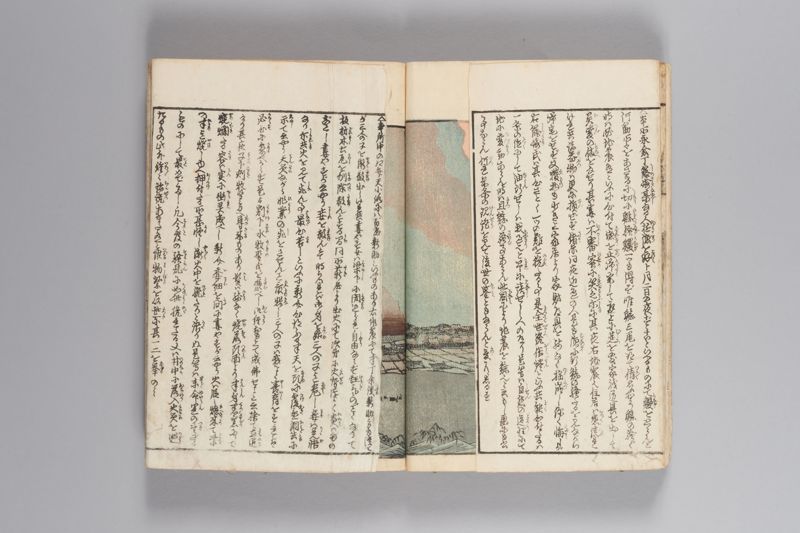
翻刻
【右丁】
△本所永倉丁 篠崎(しのさき)某(なにがし)なる人 《振り仮名:遊漁|ゆう▢う》を好(このみ)十月二日の夜ずゝこといへるものにて鰻(うなぎ)をとらんと
河筋所々をあさるに切(しきり)に鯰(なまつ)騒(さはぎ)鰻(うなぎ)一ツも得ず唯鯰三尾を得て倩(つら〳〵)思ふやう鯰の騒ぐ
時は必地震有といふに心付て漁(すなとり)を止(やめ)帰宅(きたく)して庭上に莚(むしろ)を敷家財道具を出して
異変(いへん)の備(そなへ)をなせり其妻は不審(いふかしみ)蜜(ひそか)に笑之尓(これをわらふしつる)に其夜右地震の住居は悉(こと〳〵く)潰(つぶ)れ
けれ共諸 器物(きぶつ)は更に損ぜず偖(さて)亦同夜近辺の人是も漁(すなどり)に行鯰の騒たるを見ながら
帰宅をせず又 獲物(えもの)も少き上家居より家財道具を残なく揺崩(ゆりくづ)し深く悔(くやみ)しが
右 篠崎(しのさき)氏は其心さとく一ツの難を脱(のがれ)たる事是 全(まつたく)世説(せゝつ)俗談(ぞくだん)といふ共 能(よく)心付たるは
一条の徳(とく)にして油断(ゆたん)せしは我 過(あやまり)也と予(われ)に話(はなし)せし人の有り是等は自然(しせん)の道理(どうり)にて
地に変動(へんどう)あらん時は且(まつ)鯰の騒(さわぐ)事あらん此 因(ちなみ)により自信を鯰也と云もし画にも書
事ならん何(いつ)れ前条の現証(けんせう)を見て後世の鑑(かゞみ)ともならんと爰(こゝ)にしるす
【左丁】
△本所中の郷弁天小路に八百屋新助といふものあり右地震にて半丁余 潰(つぶれ)新助方も潰て
が三人の子を漸(やう〳〵)赦(たすけ)出しけれ共妻やす女は梁下(はりのした)に閉込(とぢこめ)られ自由(しゆう)ならず狂気(けうき)のごとくなりて
板 材木(ざいもく)土 瓦(かはら)を刎除(はねのけ)赦(たすけ)んとする間(うち)同所 薪(まき)屋より出火にて次第に火勢(くはせい)つよく炎(ひのこ)は雨の
ごとし妻やすが云やう妾(わらは)を赦(たすけ)んとて時うつれば御身を始(はじめ)三人の子迄 危(あやう)し妾(われ)は覚悟(かくご)
なり尓共(しかれとも)火を見て死(しな)ん事 最(はなはだ)心 苦(ぐる)しといふに新介心得ふる半天を頭(あたま)に覆置(かけおき)泪(なみだ)共(とも)に
示(しめし)て云やう天災(てんさい)ながら非業(ひがう)の死(し)をさせんこと最(もつとも)悲(かな)し三人の子は我よく養育(やういく)をすれば
必(かならず)心に懸((かける)べからず是ゟ割下水(わりけすい)牧野(まきの)氏を馮(たのむ)べし御経(おんけう)おも上て成仏せよと云捨て立退(たちのき)
けり其夜 子下刻(こゝのつすき)牧野方へ尋来(たづねきたる)ものあり髪(かみ)は残(のこり)なく焼落(やけおち)頭面(つめん)より半身(はんしん)黒熏(くろくすぼり)にして
焼爛(やけたゞれ)たる容(さま)は実(じつ)に幽霊(ゆうれい)成べし新介 委細(いさい)を 問(とふ)に妻やすが云やう火は段々 焼来(もへきたり)て梁(はり)
の半(なかば)迄 焼(やけ)しゆへ押付(おしつけ)たる所甚 軽(かる)し漸々(やう〳〵)火中を脱(のがれ)たりと語(かた)りぬ是等は未(まだ)命運(めいうん)の尽(つき)ざる
ものにして最(いと)めでたし凡 今度(こんと)の騒乱(そうらん)に如此(かくのごとく)脱(のが)れたる又は井中(いのなか)に落入(おちいり)火災(くはさい)を逃(のがれ)
たるもの此外 種々(いろ〳〵)珍説(ちんぜつ)あまた有と雖(いへども)物繁(ことしげき)を以 些((はづか)に其一二を挙(あぐる)のみ
現代語訳
【右丁】
△本所永倉町の篠崎某という人は、魚釣りを好み、十月二日の夜、「ずずこ」(泥鰌のこと)を獲ろうと、川筋のあちこちを探り歩いていた。ところが盛んに鯰が騒ぎ立てて鰻は一匹も獲れず、ただ鯰を三尾得るばかりであった。つらつら思うに、「鯰が騒ぐ時は必ず地震があるという」と気づき、漁をやめて帰宅し、庭の上に筵を敷き、家財道具を外に出して、異変に備えた。その妻は不審に思い、ひそかに笑ったが、その夜まさに地震があり、住居はことごとく潰れたけれども、諸々の器物はまったく損じなかった。またその同じ夜、近辺の人もこれまた漁に行き、鯰が騒いでいるのを見ながら帰宅せず、また獲物も少ない上に、家の中の家財道具をことごとく揺れ崩されてしまい、深く悔やんだということだ。この篠崎氏は、心さとく一つの難を免れたことは、まったく世間の俗談・世説とはいえ、よく気を付けたことは一つの徳であり、油断したのは自分の過ちであると、私(著者)に話してくれた人がいる。これらはもとより自然の道理であって、地に変動があらんとする時は、まず鯰が騒ぐことがあるだろう。このことに因んで、自信(地震)を鯰だとも言い、あるいは絵に描くこともあるのだろう。いずれにせよ、前述の明らかな証拠を見て、後世の鑑ともなればと、ここに記す。
【左丁】
△本所中之郷弁天小路に八百屋新助というものがいた。この地震で半町余りが潰れ、新助の家も潰れた。新助は三人の子をようやく助け出したが、妻のやすという女は梁の下に閉じ込められて身動きが取れず、狂気のようになって板・材木・土・瓦を跳ね除けて助け出そうとしている間に、同所の薪屋から出火して次第に火勢が強くなり、火の粉は雨のように降り注いだ。妻やすが言うには、「私を助けようとして時が過ぎれば、あなたをはじめ三人の子どもまでも危ない。私は覚悟しております。しかし火を見ながら死ぬことは甚だ心苦しい」と言った。新助は心得て、古い半纏を妻の頭に被せておき、涙ながらに示して言うには、「天災とはいえ、非業の死をさせることは誠に悲しい。三人の子は私がよく養育するから、必ず心にかけなくてよい。これより割下水の牧野氏を頼るがよい。お経を唱えて成仏してくれ」と言い捨てて立ち退いた。その夜、九つ時(深夜十二時頃)、牧野方へ訪ねてくる者があった。髪はことごとく焼け落ち、頭から半身まで黒くくすぼり、焼け爛れた様は、まことに幽霊のようであった。新助が委細を問うと、妻やすが言うには、「火は段々燃えてきて、梁の半ばまで焼けたので、押し付けていた(つかえていた)ところが甚だ軽くなり、ようやく火の中を脱け出すことができました」と語った。これらはまだ命運の尽きていない者であって、誠にめでたいことである。およそ今度の騒乱において、このように難を逃れた者、あるいは井戸の中に落ち入って火災を免れた者など、この他にも種々珍しい話が数多くあるとはいえ、事柄が繁多なので、わずかにその一つ二つを挙げるのみとする。
英語訳
**[Right Page]**
△ A man by the name of Shinozaki, of Nagakura-chō in Honjo, was fond of fishing. On the night of the second day of the tenth month, he went out to catch loach (*zuzuko*), searching along the waterways here and there. However, catfish (*namazu*) were thrashing about incessantly, and he could not catch a single eel; he obtained only three catfish. Reflecting carefully, he recalled the saying that "when catfish grow restless, there will surely be an earthquake," and, taking heed of this, he stopped his fishing, returned home, spread a straw mat in the garden, brought his household goods outside, and made preparations for a calamity. His wife thought this suspicious behavior and secretly laughed at him. Yet that very night, the earthquake struck, and the dwelling was utterly destroyed — and yet not a single household item was damaged. Furthermore, that same night, a neighbor had likewise gone out fishing, and seeing the catfish in an uproar, had nevertheless not returned home. Having caught little to begin with, he then had all of his household possessions swept away in the collapse — and greatly lamented it afterward. This Shinozaki was quick-witted and thereby escaped one great peril. Whether it be mere popular gossip or common talk, the person who told me this story said: "Taking good heed was a virtue in itself, while letting one's guard down was one's own fault." This is all in accordance with natural principle: when a disturbance is about to occur in the earth, the catfish will first grow restless. It is for this reason that people also call the earthquake (*jishin*) the catfish, and it is said that images of catfish are even drawn on this account. In any case, seeing this clear evidence of what was foretold, I record it here so that it may serve as a lesson for posterity.
**[Left Page]**
△ In Benten-kōji, Nakanogō, Honjo, there lived a greengrocer named Shinsuke. More than half a chō of the neighborhood collapsed in the earthquake, and Shinsuke's house collapsed as well. He managed to pull his three children out alive, but his wife, a woman named Yasu, was trapped beneath a fallen beam and could not move freely. Like one gone mad, he was flinging aside planks, timbers, earth, and roof tiles in an effort to rescue her, when a fire broke out at a firewood merchant's shop in the same neighborhood. The flames grew steadily fiercer, and sparks fell like rain. His wife Yasu said to him: "If time passes while you try to rescue me, you yourself and our three children will all be in danger. I am prepared for what must come. But I find it deeply distressing to die with the fire in sight." Shinsuke, understanding her, placed an old *hanten* jacket over her head, and with tears streaming down his face, said to her: "Though it be an act of heaven, it is most grievous to let you die so untimely a death. I will raise our three children well, so do not worry about them in the least. From here on, rely upon Lord Makino of Warikesui. Recite the sutras and attain Buddhahood in peace." With these words, he left her and withdrew. That night, at the hour of the ninth bell (*kokonotsu*, approximately midnight), someone came to the Makino residence seeking them out. Her hair had completely burned away; from her head to half her body she was blackened with soot and scorched raw — her appearance was truly that of a ghost. When Shinsuke questioned her in detail, his wife Yasu said: "The fire crept closer and closer, and burned away the beam up to its midpoint, so the thing pressing down on me became extremely light. I managed, just barely, to escape through the flames." These were people whose fate had not yet run its course, and it is truly a matter for rejoicing. In all, amid the upheaval of this disaster, there are numerous extraordinary accounts — of people escaping in just such a manner, or of people who fell into wells and thereby escaped the fires, and many other curious tales besides. However, as matters are so numerous, I shall here set forth only one or two of them.