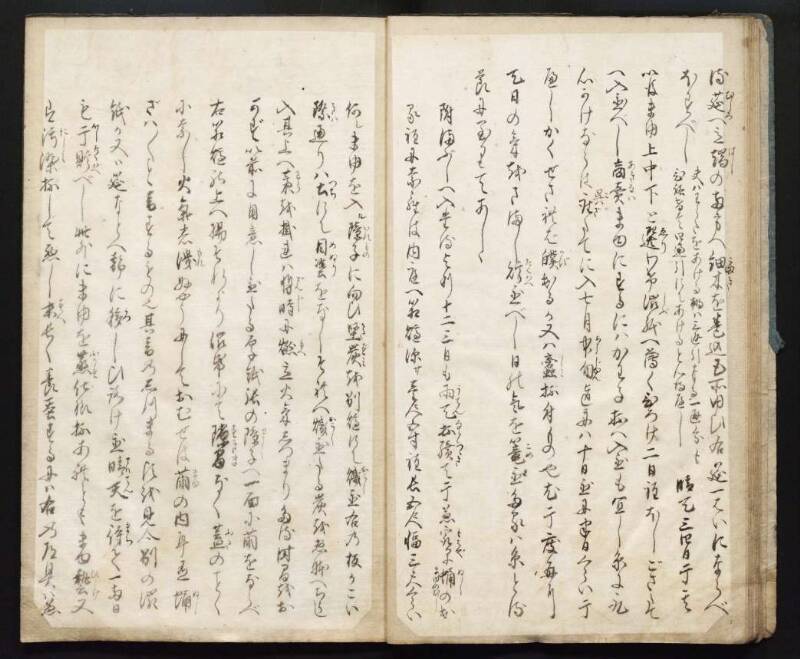
翻刻
【右丁】
る筵(むしろ)へ立 端(はし)の両方へ細木(こまき)を巻込五所ゆひ右筵一はいにならべ
ほすべし《割書:夫はわらたをあける棚は三通引なる一通分も|ひろけて四通引にてあけると心得へし》晴天三四日干其
以後まゆ上中下と選(ゑり)わけ渋(しぶ)紙へ薄くにひろけ二日程ほしごさたて
へ入置べし商売(あきない)まゆにするにはかわね抔へ入置も宜し糸に取
心かけならは呉座(こざ)#1たてに入七月 中旬(ちうじゆん)迄には十日置に半日くらい干
へしかくせされば醭(かび)出るか又は蠧(しみ)抔付もの也尤干度毎に
天日の気をさまし貯(たくはへ)置べし日の気を篭(こめ)置たるは糸とる
節に至りてあしゝ
附まぶしへ入たるより十二三日も雨天(うてん)抔(なと)続(つゝき)て干兼 最早(もはや)《振り仮名:蛹|ぬし|まゆのむし》の出
る程にならは内庭へ箱爐深さ壱尺五寸程長五尺幅三尺くらい
【左丁】
何れまゆを入る障子(いれもの)に向ひ堅炭(かたすみ)を別爐にて熾(おこし)置右の板かこい
際(きは)通りは土(つち)にて目塗(めぬり)をなしそれへ熾(おこし)置たる炭を惣体へちらし
入其上へ藁(わら)を掛れは暫時(ざんじ)に燃(もへ)立火気しつまりたる時間をお
かず以前に用意し置たる厚紙張の障子(せうし)へ一面に繭をならべ
右箱爐の上へ揚それより渋紙にて隙間(すきま)なく蓋(ふた)のことく
になし火気の洩(もれ)ぬやうにしておむせは繭(まゆ)の内に有 蛹(ぬし)
ざは〳〵と音するもの也其音のしつまる頃を見合別の渋
紙か又は筵なとへ静に移(うつ)しひろけ置 晴天(せいてん)を待(まち)て一両日
も干貯(ほしたくはへ)べし此外にまゆを蒸(ふかす)仕様抔あれともまゆ㙯(ひしけ)#2又
は汚染(にじみ)抔して悪し末(すへ)長く養蚕するには右の道具は兼
現代語訳
【右丁】
綺麗な筵の上に立て、端の両方へ細い木を巻き込んで五箇所で結び、右の筵一杯に並べて
干すべきである。《割書:それはわらだを開ける棚は三通り引きであるが、一通り分も広げて四通り引きで開けると心得るべきである》晴天に三四日干し、その
以後、繭を上中下と選り分け、渋紙へ薄く広げて二日程干し、ござで作った蓋付きの容器
へ入れて置くべきである。商売用の繭にするには革箱などへ入れて置くのも良い。糸に取る
心づもりならば呉座蓋付き容器に入れ、七月中旬までには十日置きに半日くらい干す
べきである。こうしなければ黴が出るか又は虫などが付くものである。もっとも干すたびに
天日の熱を冷まして貯蔵して置くべきである。日の熱を込めて置いたものは糸を取る
時になって悪い。
付け加えて、蔟へ入れてから十二三日も雨天などが続いて干しかねて、もはや蛹が出る
程になったならば、内庭へ箱炉を作る。深さ一尺五寸程、長さ五尺、幅三尺くらいで、
【左丁】
何れも繭を入れる容器に向かい、堅炭を別の炉で熾して置き、右の板囲いの
際回りは土で目塗りをなし、そこへ熾して置いた炭を全体へ散らして
入れ、その上へ藁を掛ければ暫時に燃え立つ。火気が充満した時間を置か
ず、以前に用意して置いた厚紙張りの障子へ一面に繭を並べ、
右の箱炉の上へ上げ、それより渋紙で隙間なく蓋のように
なし、火気の漏れないようにして蒸せば、繭の内にある蛹が
ざわざわと音するものである。その音が静まる頃を見計らって別の渋
紙か又は筵などへ静かに移し広げて置き、晴天を待って一両日
も干し貯蔵すべきである。この外に繭を蒸す仕様などあれども、繭が損じ又
は汚染などして悪い。末永く養蚕するには右の道具は兼ねて
英語訳
[Right page]
Place them on clean mats, wrap thin wood around both ends and tie in five places, then arrange them to fill the mat and
dry them. <<Annotation: The shelf for opening the straw mats has three pulls, but understand that even one section should be spread out and opened with four pulls>> Dry in clear weather for three or four days, then
afterward, sort the cocoons into superior, medium, and inferior grades, spread them thinly on persimmon paper, dry for about two days, then place them in
containers with rush mat covers. For commercial cocoons, it is also good to store them in leather boxes. If intending to reel silk,
place them in covered rush containers and dry them for about half a day every ten days until mid-July.
If this is not done, mold will appear or insects will attach. Most importantly, each time they are dried,
the heat from the sun should be cooled before storage. Those stored with sun heat retained are
bad when it comes time to reel silk.
Additionally, if rainy weather continues for twelve or thirteen days after placing in mountages and drying becomes impossible, and the pupae are about to emerge,
construct a box furnace in the inner courtyard about one shaku five sun deep, five shaku long, and three shaku wide.
[Left page]
In any case, facing the containers for cocoons, kindle hard charcoal in a separate furnace, and around the edges of the wooden enclosure,
seal with clay, then scatter the kindled charcoal throughout
and place straw on top, which will quickly ignite. Without delay after the heat builds up,
arrange cocoons in a single layer on thick paper-covered screens prepared beforehand,
place them above the box furnace, then cover completely with persimmon paper like a lid
so that heat does not escape. When steamed this way, the pupae inside the cocoons
make rustling sounds. When the sounds subside, carefully transfer them to separate persimmon
paper or mats, spread them out, wait for clear weather and dry them for a day or two
for storage. There are other methods for steaming cocoons, but they damage the cocoons or
cause staining, which is bad. For long-term sericulture, the above equipment should be prepared in advance.