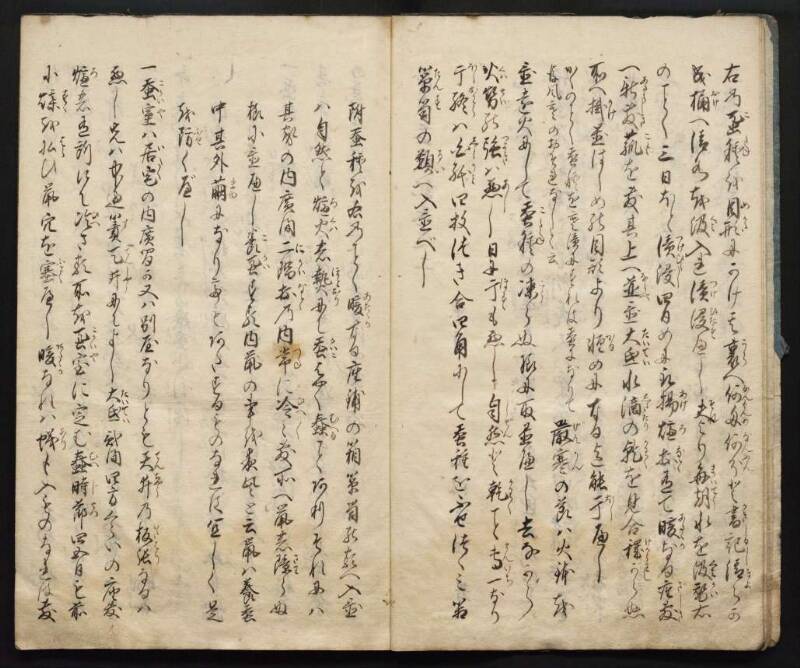
翻刻
【右丁】
右の蚕種(こたね)を目形(めかた)にかけ其 裏(うら)へ何匁(なんもんめ)何分(なんふん)と書記(かきしるし)清(きよ)らか
成 桶(おけ)へ清水を汲(くみ)入れ漬浸(つけひたす)へし夫(それ)より毎朝(まいてう)水を汲替(くみかい)右
のことく三日ほと漬浸(つけひたし)四日めに取 揚(あけ)爐(ろ)抔(なと)有て暖(あたゝか)なる座敷(ざしき)
へ新敷(あたらしき)菰(こも)を敷其上へ並(ならべ)置 大氐(たいてい)水 滴(したたり)の乾(かわく)を見合 穢(けからわし)からぬ
所へ掛(かけ)置はしめの目形より軽(かる)めになる迄能 干(ほし)へし
《割書:かくのことく蚕種を寒漬にすれは蚕になりて|後風寒のおそれなしと云》厳寒(げんかん)の節は火鉢を
置遠火にして蚕種(こたね)の凍(こう)らぬ様に取置へし去なから
火勢(くはせい)の強(つよき)は悪(あし)し日に干(ほす)も悪し自然(しぜん)と乾(かわく)こと専一(せんいち)なり
干終(ほしおわら)は白紙(しらかみ)四枚つき合四角にして蚕種をふせつつみ箱
箪笥(たんす)の類(るい)へ入置べし
【左丁】
附蚕種を右のことく暖(あたゝか)なる座鋪の箱箪笥の類へ入置
は自然と爐火(ろくは)の熱(ほとおり)にて蚕(かいこ)はやく蠢(むへる)ことありそれには
其家の内広間 二階(にかい)抔(なと)の内 常(つね)に冷々(ひえ〳〵)敷所へ鼠の障(さわ)らぬ
様に置へし養蚕(こかい)する内鼠の事を夜風と云鼠は養蚕
中其外 繭(まゆ)になりてもあたするものなれは宜しく是
を防(ふせ)くべし
一 蚕室(こかいや)は居宅(いたく)の内広間か又は別屋なりとも天井(てんちやう)の板張(いたはり)なるは
悪し先は中通 簀天井(すてんしやう)にてよし大氐(たいてい)弐間四方くらいの座敷
爐(ろ)の有所にて冷(ひへ)さる所を蚕室(こかいや)に定む蠢(むへ)時節(じせつ)四五日も前
に煤(すゝ)を払(はら)ひ鼠穴を塞(ふさく)へし暖(あたゝか)なれは蟻(あり)も入ものなれは敷
現代語訳
【右丁】
右の蚕種を目方にかけ、その裏に何匁何分と書き記し、清らかな桶へ清水を汲み入れて漬け浸すべし。それから毎朝水を汲み替え、右のように三日ほど漬け浸し、四日目に取り上げる。炉などがあって暖かな座敷へ新しい菰を敷き、その上へ並べ置く。大体水滴の乾くのを見計らって、汚れていない所へ掛けて置き、初めの目方より軽くなるまでよく干すべし。
(このように蚕種を寒漬けにすれば、蚕になった後風寒の恐れなしという)厳寒の節は火鉢を置き遠火にして、蚕種の凍らぬよう取り置くべし。去りながら火勢の強いのは悪し。日に干すも悪し。自然と乾くことが専一なり。
干し終わったら白紙四枚を突き合わせ四角にして蚕種を伏せ包み、箱や箪笥の類へ入れ置くべし。
【左丁】
附 蚕種を右のように暖かな座敷の箱箪笥の類へ入れ置くと、自然と炉火の熱によって蚕が早く蠢くことがある。それには、その家の内の広間や二階などの内で、常に冷え冷えした所へ鼠の障らぬよう置くべし。養蚕する内、鼠のことを夜風と言う。鼠は養蚕中その他繭になっても害するものなれば、よろしくこれを防ぐべし。
一 蚕室は居宅の内の広間か又は別屋なりとも、天井の板張りなるは悪し。まずは中通りの簀天井にてよし。大体二間四方くらいの座敷で、炉の有る所にて冷えざる所を蚕室に定む。蠢く時節四五日も前に煤を払い、鼠穴を塞ぐべし。暖かなれば蟻も入るものなれば敷
英語訳
【Right Page】
The aforementioned silkworm eggs should be weighed, and the weight in monme and bu should be recorded on the back. Clean water should be drawn into a clean bucket and the eggs should be soaked and immersed. From then on, the water should be changed every morning, soaking them for about three days as described above, and on the fourth day they should be removed. Fresh straw mats should be laid in a warm room with a hearth or similar heating, and the eggs placed on top. Generally, watching for the water drops to dry, they should be hung in a clean place and dried well until they become lighter than their initial weight.
(It is said that by cold-soaking silkworm eggs in this way, there will be no fear of wind and cold after they become silkworms.) During the severe cold season, a brazier should be placed at a distance to keep the silkworm eggs from freezing. However, strong fire is bad. Drying in the sun is also bad. Natural drying is of primary importance.
When drying is complete, four sheets of white paper should be joined together in a square, the silkworm eggs should be wrapped face-down, and placed in boxes, chests, and similar containers.
【Left Page】
Note: When silkworm eggs are placed in boxes or chests in warm rooms as described above, the silkworms may naturally begin to stir early due to the heat from the hearth fire. In such cases, they should be placed in constantly cool areas such as the main hall or second floor of the house, protected from mice. In sericulture, mice are called "night wind." Mice cause harm during silkworm rearing and even after cocoon formation, so they should be well prevented.
1. The silkworm room should be the main hall of the residence or a separate building, but board ceilings are bad. A reed ceiling in the middle passage is best. Generally, a room of about two ken square with a hearth in a location that does not get cold should be designated as the silkworm room. Four or five days before the stirring season, soot should be swept away and mouse holes should be blocked. When it is warm, ants will also enter, so the floor