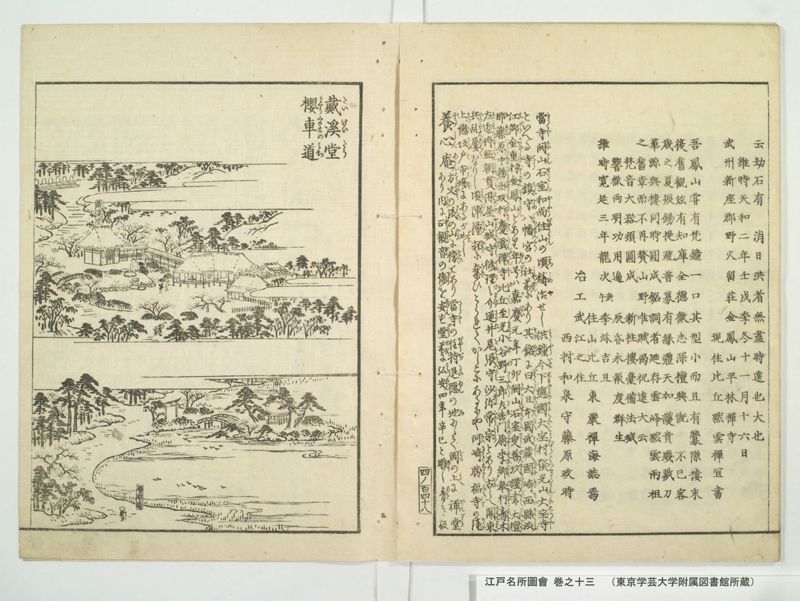
翻刻
【右丁】
云劫石有 消日洪者無尽時遠也大也
維時天和二年壬戌季冬十一月十六日
武州新座郡野火留荘金鳳山平林禅寺
現住比丘黙雲禅宜書
吾鳳山嘗有梵鐘一口其型小而且有釁隙樓末#2
復旧観茲有知庫全徳徹志深檀興慨 不已客
歳之夏振鍚#3提疏普募有縁體天加護貴賤戮刀
蕐鯨与楼同時円成銘詞者廼存雲峰黙雲両祖
之旧章而不再贅山野唯賦偈祝遠大云
梵音大器頓円成 新柱楼台備法城
響徹両明功用遍 辰昏永報度群生
維時寛延三年龍次《割書:庚|午》季秋吉旦
住山比丘東厳禅海誌焉
冶工武江之住
西村和泉守藤原政時
《割書:当寺(たうじ)開山(かいさん)石室和尚(せきしつおしやう)住山(ぢゆうさん)の頃(ころ)鋳冶(しゆや)せし洪鐘(こうしやう)今(いま)下総国(しもふさのくに)大宝村(たいはうむら)発光山(はつくわうさん)大宝寺(たいはうじ)|といへる寺(てら)の鎮守(ちんしゆ)八幡宮(はちまんくう)の社前(しやぜん)にあり其銘(そのめい)に曰(いはく)大日本国(だいにつほんこく)武蔵国(むさしのくに)崎西県(きさいけん)渋(しぶ) 》
《割書:江郷(えがう)金重村(かなしげむら)金鳳山(きんほうさん)とあり年号(ねんがう)は嘉慶(かけい)元年丁卯 開山(かいさん)石室叟善玖(せきしつそうせんきう)謹書(つゝしんでかく)大檀(だいだん) |那(な)藤原中務丞政行(ふぢはらなかつかさのせうまさゆき)慶雲禅寺比丘至光(けいうんぜんじびくしくわう)小谷野三郎左衛門尉季郷(こやのさふらうさゑもんのじやうすゑさと)奉行(ふぎやう)青木(あをき)》
《割書:左近将監朝貫(さこんのせうげんともつら)染屋山城守修理之介(そめややましろのかみしゆりのすけ)逆井尾張守沙弥常宗(さかゐをはりのかみしやみじやうしう)とあり古(いに)しへ関東(くわんとう)|兵乱(へうらん)屡(しは〳〵)なりし頃(ころ)陣鐘(ぢんかね)抔(など)に奪(うば)ひとられてかしこにあるにや河崎(かはさき)勝福寺(しようふくじ)の鐘(かね) 》
《割書:上総(かつさ)坂戸市場(さかといちば)にあるが如(ごと)し|》
養心庵(やうしんあん)《割書:方丈(はうぢやう)の後(うしろ)の山(やま)に傍(そひ)てあり当寺(たうじ)の住持(ぢゆうぢ)退隠(たいゐん)の地(ち)にして岡(をか)の上(うへ)に禅堂(ぜんだう) |あり内(うち)に正観音(しやうくわんおん)の像(ざう)を安(あん)す堂前(だうせん)に弘安(こうあん)四年辛巳と雕(ゑり)し青(あお)き板》
現代語訳
## 【右丁】
### 鐘銘(続き)
…云劫石(うんごうせき)有りて消ゆる日も、洪(こう)なる者は尽きる時なく、遠く、また大なり。
維時(これのとき)天和二年壬戌(1682年)季冬十一月十六日
武州新座郡野火留荘 金鳳山平林禅寺
現住比丘 黙雲禅宜(もくうんぜんぎ) 書す
---
### 【第三の銘文:寛延三年の追銘】
吾が鳳山(ほうざん)にかつて梵鐘一口あり。その型(かた)は小さく、かつ亀裂(ひび)が生じており、楼(鐘楼)もまた旧観に復していなかった。これを憂いた知庫(ちこ)の全徳徹志(ぜんとくてっし)という深志の檀越が慨嘆してやまず、去年の夏、錫杖を振り疏(ふだ)を提げ、広く縁ある人々に勧募した。天の加護を受け、貴賎の人々が力を合わせ、梵鐘と楼(鐘楼)が同時に円満に成就した。銘詞(めいじ)については、雲峰(うんぽう)・黙雲(もくうん)両祖の旧い文章をそのまま存(のこ)し、重ねて贅言(ぜいげん)はせず、山野(さんや)はただ偈(げ)を賦して遠大なることを祝する。
> 梵音(ぼんおん)の大器(たいき) 頓(とん)に円成す
> 新しき柱の楼台 法城(ほうじょう)に備わる
> 響きは両明(りょうめい)を徹し 功用(くよう)あまねし
> 辰昏(しんこん)永く報じて 群生(ぐんじょう)を度(ど)せん
維時(これのとき)寛延三年(1750年)龍次(年の順)庚午(かのえうま)季秋(しゅうの末)吉旦
住山比丘 東厳禅海(とうがんぜんかい) 誌す
冶工(やこう) 武江(ぶこう)の住
西村和泉守藤原政時(にしむらいずみのかみふじわらまさとき)
---
### 【割注:当寺の初鐘について】
当寺の開山・石室和尚(せきしつおしょう)が住山の頃に鋳造した洪鐘(おおがね)は、今は下総国(しもうさのくに)大宝村(たいほうむら)の発光山(はっこうざん)大宝寺(たいほうじ)という寺の鎮守・八幡宮(はちまんぐう)の社前にある。その銘に曰く、「大日本国武蔵国崎西県渋江郷金重村金鳳山」とあり、年号は嘉慶元年丁卯(かけいがんねんていぼう)、開山・石室叟善玖(せきしつそうぜんきゅう)謹書。大檀那(だいだんな)・藤原中務丞政行(ふじわらなかつかさのじょうまさゆき)、慶雲禅寺比丘至光(けいうんぜんじびくしこう)、小谷野三郎左衛門尉季郷(こやのさぶろうざえもんのじょうすえさと)、奉行・青木左近将監朝貫(あおきさこんしょうげんともつら)、染屋山城守修理之介(そめややましろのかみしゅりのすけ)、逆井尾張守沙弥常宗(さかいおわりのかみしゃみじょうしゅう)とある。
いにしえ、関東で兵乱が相次いだ頃、陣鐘などとして奪い取られて彼の地にあるのであろう。河崎勝福寺(かわさきしょうふくじ)の鐘が上総(かずさ)の坂戸市場(さかといちば)にあるようなものである。
---
### 養心庵(ようしんあん)
方丈(ほうじょう)の後ろの山に沿ってある。当寺の住持(じゅうじ)が退隠(たいいん)する地であり、岡の上に禅堂(ぜんどう)があり、内に正観音(しょうかんのん)の像を安置する。堂前に「弘安四年辛巳(こうあんよねんかのとみ)」と彫られた青い板(碑)が…
英語訳
## [Right Page]
### Bell Inscription (Continued)
…Even when the "cloud-aeon stone" (a stone worn down over inconceivably long ages) shall at last dissolve, that which is great shall know no end—it is distant, and it is vast.
Written on the sixteenth day of the eleventh month of the last winter of Ten'na 2, year of Mizunoe-Inu (壬戌, 1682)
Kinpōzan Heirin Zen Temple, Nobidome Estate, Niikura District, Musashi Province
Resident monk, Mokuun Zengi (黙雲禅宜), written
---
### [Third Inscription: Supplementary Inscription of Kan'en 3 (1750)]
Our Kinpōzan (Hōzan) once possessed a single temple bell. It was small in form and moreover had developed cracks, and the bell tower too had not been restored to its former appearance. The temple's treasurer (chiko), a deeply devoted lay patron known as Zentoku Tesshi (全徳徹志), could not conceal his grief and concern. In the summer of the previous year, he took up his staff and collected donation notices, broadly soliciting contributions from those with a karmic connection to the temple. With the blessing of Heaven, people of all stations—noble and common alike—joined their efforts, and both the great bell and the bell tower were simultaneously brought to completion. As for the wording of the inscription, the original texts of the two founding masters—Unpō (雲峰) and Mokuun (黙雲)—have been preserved as they stood, without any superfluous additions. This humble writer of mountain and field (i.e., the author himself) merely composes a verse to celebrate the temple's lasting and far-reaching legacy:
> *The great vessel of the sacred sound is swiftly brought to perfection;*
> *The new pillars of the bell tower stand complete within the fortress of the Dharma.*
> *Its resonance penetrates both luminaries [sun and moon], its merit spreading wide;*
> *At dawn and dusk it shall forever sound, ferrying all living beings to salvation.*
Written on an auspicious day in late autumn, Kan'en 3 (寛延三年, 1750), year of Kanoe-Uma (庚午)
Resident monk, Tōgan Zenkai (東厳禅海), recorded
Bell founder: a resident of Edo (武江)
Nishimura Izuminokami Fujiwara no Masatoki (西村和泉守藤原政時)
---
### [Annotation in Small Print: Regarding the Temple's Original Bell]
The great bell (kōshō) cast during the residence of the temple's founding abbot, the Venerable Sekishitsu (石室和尚), is now located before the shrine of the Hachiman deity (the tutelary god) at Taihōji Temple (大宝寺) of Hakkōzan (発光山), in Taihō Village (大宝村), Shimōsa Province. Its inscription reads: "Great Japan, Musashi Province, Kisai County, Shibue Village, Kanashige Village, Kinpōzan," with the date given as the first year of Kakei (嘉慶元年, 1387), year of Hinoto-U (丁卯). The inscription was reverently written by the founding abbot Sekishitsu Sō Zenkyu (石室叟善玖). The principal patrons listed are: Fujiwara no Nakatsukasanojō Masayuki (藤原中務丞政行); Keiunzenji Biku Shikō (慶雲禅寺比丘至光); Koyano Saburōzaemon-no-jō Suesato (小谷野三郎左衛門尉季郷); and the overseers (bugyō): Aoki Sakon-no-shōgen Tomotsura (青木左近将監朝貫), Someya Yamashiro-no-kami Shuri-no-suke (染屋山城守修理之介), and Sakai Owari-no-kami Shami Jōshū (逆井尾張守沙弥常宗).
In the age of old, when warfare was frequent throughout the Kantō region, the bell was likely seized for use as a war gong (jingane) and taken to that place. It is much like the case of the bell of Kawasaki Shōfukuji Temple, which ended up in Sakatoi-ichiba in Kazusa Province.
---
### Yōshin'an Hermitage (養心庵)
This hermitage stands alongside the hill behind the main abbot's quarters (hōjō). It serves as the retirement retreat for the temple's住持 (head priest), and on top of the rise there is a meditation hall (zendō), inside which an image of Shō Kannon (the Correct-Form Avalokiteśvara) is enshrined. In front of the hall stands a blue stone tablet inscribed with "Kōan 4, year of Kanoto-Mi (弘安四年辛巳, 1281)"…