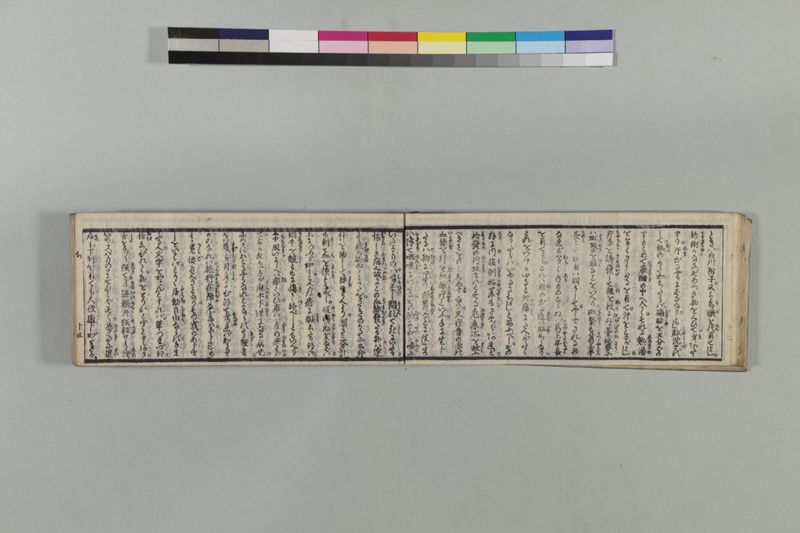
翻刻
ときは。白川附子。又は烏頭(うづ)を代(かへ)用てよし。
稀粥(うすきかゆ)か。なにぞあつき物をくひて。身(み)あたゝ
まり。汗(あせ)出るやうにするなり。もし脉沈(みやくしづ)まず
して。熱(ねつ)のかたかちたらば。磠砂(どうしや)を五分ばか
りもとめて。厳醋(つよきす)の中へ入て。それに熱湯(あつきゆ)
を多くさしたるを用て。汗をとるがよし。
疔毒(ちやうどく)を誘発(さそひいだ)して。根(ね)を抜(ぬく)に。外台秘要(げだいひよう)に
は斑蝥(はんめう)を貼(つく)ることをいへり。斑蝥(はんめう)も葛上亭(かつしやうてい)
長(ちやう)と其功用は同うして。やゝまされる物
なれど多(おほ)く有(ある)ものならねば。葛上亭長(かつしやうていちやう)
を用てよし。これは根(ね)の出る迄(まで)は貼(つけ)おくなり。
これをつけかゆるとき。痛(いたみ)にたへがたく
なりたらば。いゆるにちかしと思ふべし。その
外(ほか)に内服剤(のみぐすり)貼薬(つけぐすり)も。さま〴〵あれど。
初発(しよほつ)の内攻(ないこう)せんとする危急(あやうき)所を救(すく)ふ
べきことをのみしめすなり。又疔毒の赤き
血絲(いとすぢ)を引を。紅絲疔(こうしちやう)といふ。手に生じ
たるは。胸(むね)にいたり面(おもて)脣(くちびる)などに生じたる
は。降(さがり)て咽喉(のんど)にいたる。その胸(むね)に至(いた)り喉(のんど)に
いたるものは。嘔逆(むかひけ)し悶乱(もたへ)て死(し)にいたる。
怖(おそろ)しき病(やまひ)也。故(ゆゑ)にこの血絲(ちすぢ)発(でき)たる物は。速
其 絲(すぢ)の延(のび)ゆくかたを。さきのかた二三分
計を残して。絲(すぢ)のうへより。深さ三分計
も刺(さし)て血(ち)を搾(しほり)とるべし。服薬(ふくやく)貼薬(つけぐすり)などは。
上にいふが如し。又疔瘡に鍼(はり)したる跡へは。
蝸牛(かたつぶり)を殻(から)ともに搗(つき)て貼(つく)べしともいへり
▲中風(ちうふう)。いにしへは痱(ひ)といひ。痱は一 方(ぱう)の疾(やまひ)と云(いふ)
て。右か左か一方が。麻木不遂(しびれふきゝ)になる病也。
にはかにおく【「こ」ヵ】るやうなれどかならず其 幾(きざし)有。
その幾(きざし)は。自身(じしん)に心得て考(かんがふ)れば知らるゝ
ものなれば。旅行(りふこう)在陣(ざいぢん)などには。あらかしめ
其 覚悟(かくご)有べきことなり。その幾のあらま
しをいはば。とかく居動自由(たちゐじゆう)ならず。手先
ふるへ。文字をかゝんとすれば。筆つまづき。
指(ゆび)しびれて。物をとりおとすことまゝあり。
舌(した)をり〳〵強(こはり)て。言語艱渋(ものいひにくゝ)。飯粒(めしつぶ)口より洩(もれ)
いで。又はものわすれしやすく。万事(ばんじ)に退(たい)
屈(くつ)し。下剤を用ても。大便通じがたきか。
現代語訳
ときは、白川附子、または烏頭を代用してよい。薄い粥か、何か温かい物を食べて、身体が温まり、汗が出るようにするのである。もし脈が沈まずして、熱の傾向が強ければ、磠砂を五分ばかり求めて、強い酢の中へ入れて、それに熱湯を多く注いだものを用いて、汗を取るのがよい。
疔毒を誘発して根を抜くのに、外台秘要には斑蝥を貼ることを言っている。斑蝥も葛上亭長とその効用は同じで、やや優れているものであるが、多くあるものではないので、葛上亭長を用いてよい。これは根が出るまでは貼っておくのである。これをつけて痒くなる時、痛みに耐えがたくなったならば、治癒に近いと思うべきである。その他に内服薬、貼薬も様々あるが、初発の内攻しようとする危険な状況を救うべきことのみを示すのである。
また疔毒の赤い血筋を引くのを、紅絲疔という。手に生じたものは胸に至り、顔面・唇などに生じたものは下がって咽喉に至る。その胸に至り喉に至るものは、嘔吐し悶え乱れて死に至る恐ろしい病である。故にこの血筋ができたものは、速やかにその筋の延びていく方の、先の方二三分ほどを残して、筋の上より深さ三分ほども刺して血を搾り取るべきである。服薬・貼薬などは上に言う通りである。また疔瘡に鍼をした跡へは、蝸牛を殻ともに搗いて貼るべきだとも言われている。
▲中風。いにしえは痱といい、痱は一方の疾患と言って、右か左か一方が麻痺し不随になる病である。急に起こるようであるが必ずその兆しがある。その兆しは、自身に心得て考えれば知ることができるものなので、旅行・在陣などには、あらかじめその覚悟があるべきことである。その兆しの概略を言えば、とかく起居動作が自由でなく、手先が震え、文字を書こうとすれば筆がつまづき、指が痺れて物を取り落とすことがよくある。舌がしばしば強ばって言語が困難で、飯粒が口より漏れ出て、またはもの忘れしやすく、万事に消極的になり、下剤を用いても大便が通じにくいか。
英語訳
In such cases, Shirakawa aconite or Uzutō may be substituted. Have thin rice gruel or some warm food to warm the body and induce sweating. If the pulse is not sunken but there is a strong tendency toward fever, obtain about five bu of saltpeter, put it in strong vinegar, add plenty of hot water to it, and use this to induce sweating.
To induce the cellulitis poison and extract the root, the Gedai-hiyō recommends applying cantharides (spotted beetle). Cantharides has the same efficacy as Katsujo-teichō and is somewhat superior, but since it is not readily available, Katsujo-teichō may be used instead. This should be kept applied until the root emerges. When this becomes itchy and the pain becomes unbearable, one should consider that healing is near. There are various other internal medicines and topical applications, but I only show what should be done to rescue the dangerous situation of initial internal invasion.
Also, when cellulitis poison draws red blood vessels, this is called Kōshi-chō (red thread cellulitis). When it occurs on the hand, it reaches the chest; when it occurs on the face, lips, etc., it descends to the throat. When it reaches the chest and throat, it causes vomiting, agitation, and leads to death - it is a terrible disease. Therefore, when these blood vessels appear, quickly leave about two to three bu at the tip of the direction the vessel is extending, puncture about three bu deep from above the vessel, and squeeze out the blood. Internal medicines and topical applications are as mentioned above. It is also said that snails should be pounded together with their shells and applied to the site where acupuncture was performed on cellulitis.
▲Stroke. In ancient times it was called "hi," and hi was said to be a disease of one side, meaning a disease where either the right or left side becomes paralyzed and disabled. It seems to occur suddenly, but there are always warning signs. These signs can be recognized if one is aware and thinks about them, so during travel or military campaigns, one should be prepared in advance. To outline these warning signs: movement and posture become restricted, hands tremble, when trying to write the brush stumbles, fingers become numb and one often drops things. The tongue frequently stiffens making speech difficult, rice grains leak from the mouth, or one becomes forgetful, becomes passive in all matters, and even when using laxatives, bowel movements are difficult.