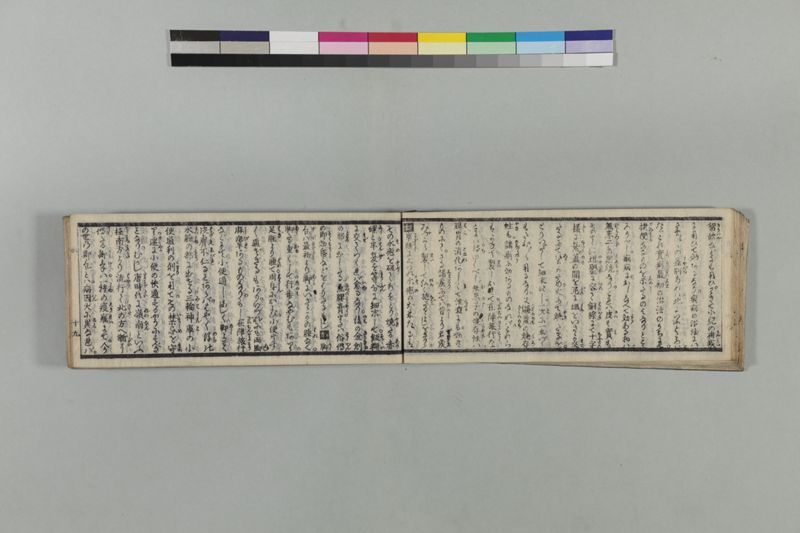
翻刻
留飲(りういん)などにも用ひ。わきて小児の疳疾(かんしつ)
に用ひて効あるなり。痢病の治法には
さま〴〵の差別(しやべつ)あれは。此にいふところは。
たゞこれ実痢(じつり)最初(さいしよ)の治法のうちにて。
捷便(てみじか)なるものを示(しめし)たるのみなりとこゝ
ろうべし。痢病に。おしなへて効(こう)ある物は。
無患子(むくろじ)の黒焼(くろやき)なり。これは皮(かは)も実(み)も
そのまゝに坩罌(やきつぼ)に容(いれ)て銅線(はりがね)にて十字(ちふもん)
様(じ)に紮(くゝり)。蓋(ふた)の間を泥(どろ)に塩(しほ)をいさゝか交(まぜ)
たるにて塗(ぬり)かため。火にて焼(やき)たるを。
とりいだして細末にし。一 次(と)に一匁づゝ
もたひ〴〵用るなり。又 鼹鼠(うころもち)【左ルビ:もくらもち】の焼存(くろ)
性(やき)も。諸(もろ〳〵の)痢(り)に効あるものなれば。これら
はかねて製(せい)しおきて。在陣(ざいちん)旅行(りよこう)な
とには持(もち)ゆくべし。無患子(むくろじ)の焼存性(くろやき)は。
腸胃(はら)の消化(こなれ)あしくて泄瀉(くたる)にも。効有
ものにて。さる諸侯(しよこう)にては昔(むかし)より君侯(とのさま)
みづから製(せい)して弘(ひろ)く施(ほどこ)さるゝよしをきけり。
わ【わは白抜き文字】草鞋(わらんじ)にくはれ。水疱(まめ)の出来たるは
その水疱(まめ)を破(やぶり)て水をとり。焼(やき)たる赤(あか)
螺(にし)と。半夏(はんげ)を等分(とうぶん)に細末して。飯糊(そくい)
に交(まぜ)てつくれば癒(いゆ)るなり。後(のち)の金創(きりきず)
の部(ところ)に出したる。魚膠膏(にべのこうやく)。または俗伝(そくでん)
の即効帋(そくこうし)などをはりたるもよし。か【かは白抜き文字】脚(かく)
気(け)は。最初(さいしよ)より脚(あし)にいさゝかの腫(はれ)なく。
脚(あし)たゞ重(おも)くして。行歩(あゆみ)なやむもあり。
足脞(はぎ)より腫(はれ)て。周身(しうしん)におよび。小便ます
〳〵通ぜざるもあり。いづれにも両 脚(あし)
麻㿏(しびれ)あるものなり。もし在陣(ざいぢん)旅行(りよこう)
などにて。小便通じあしく。脚(あし)よわく
皮膚不仁(はだえしびれ)ることあらば。はやく後(のち)の
水腫(すいしゆ)の部(ところ)に出せる。三輪神庫(みわしんこ)の小
便通利の剤(くすり)を用て。その禁忌(いましめ)を守(まも)
り。遄(すみやか)に小便の快通するやうにすべき
ことなり。むかし唐時代(たうじだい)に嶺南(れいなん)といふ
極南方(ごくみなみのかた)より流行(はやり)て。北(きた)の方へ漸(しだい)に
伝(つたへ)たる脚気(かくけ)は。一 種(しゆ)の疫癘(えきれい)にて。今
の世の脚気とは。病 因(いん)大に異(こと)なれば。
現代語訳
留飲(水が胸に溜まる病気)などにも用い、特に小児の疳疾(栄養失調による疾患)に用いて効果がある。痢病(赤痢)の治療法には様々な区別があるので、ここで述べるところは、ただこれは実痢(実証の痢疾)の最初の治療法の中で、手軽なものを示したのみであると理解すべきである。痢病に、一般的に効果があるものは、無患子の黒焼きである。これは皮も実もそのままに素焼きの壺に入れて針金で十字様に縛り、蓋の隙間を泥に塩を少し混ぜたもので塗り固め、火で焼いたものを取り出して細末にし、一回に一匁ずつ何度も用いる。また鼹鼠(もぐら)の黒焼きも、諸々の痢疾に効果があるものなので、これらは予め製しておいて、陣中や旅行などには持参すべきである。無患子の黒焼きは、腸胃の消化が悪くて下痢するものにも効果があるもので、ある諸侯では昔から君侯自ら製して広く施されるとのことを聞いている。
草鞋に擦れて水疱ができたものは、その水疱を破って水を取り、焼いた赤螺と半夏を等分に細末して、飯糊に混ぜて作れば治る。後の金創(刀傷)の部に出した魚膠膏、または俗伝の即効紙などを貼ったものもよい。
脚気は、最初から脚に少しの腫れもなく、脚がただ重くて歩行に悩むものもある。足首から腫れて全身に及び、小便がますます通じなくなるものもある。いずれにも両脚に痺れがあるものである。もし陣中や旅行などで、小便の通じが悪く、脚が弱く皮膚が痺れることがあれば、早く後の水腫の部に出した三輪神庫の小便通利の薬を用いて、その禁忌を守り、速やかに小便が快通するようにすべきことである。昔唐時代に嶺南という極南方より流行して、北の方へ次第に伝わった脚気は、一種の疫病であって、今の世の脚気とは、病因が大いに異なるので、
英語訳
It is also used for retained fluids (accumulation of water in the chest) and is particularly effective when used for childhood malnutrition disorders (kanshitsu). Since there are various distinctions in the treatment methods for dysentery, what is described here should be understood as merely showing convenient methods among the initial treatment approaches for excess-type dysentery.
For dysentery in general, what is effective is the charred preparation of soapberry (mukuroji). This is prepared by placing both the skin and fruit as they are into an earthenware pot, tying it in a cross pattern with copper wire, sealing the gaps in the lid with mud mixed with a little salt, and burning it with fire. The result is taken out, ground into fine powder, and used repeatedly at one monme per dose. Also, the charred preparation of mole is effective for various types of dysentery, so these should be prepared in advance and carried during military campaigns or travels. The charred soapberry is also effective for diarrhea caused by poor digestion in the intestines and stomach. I have heard that in certain domains, the lords themselves have traditionally prepared this and distributed it widely.
For blisters caused by chafing from straw sandals, break the blister to drain the fluid, then mix equal parts of burned red whelk shell and pinellia into fine powder, combine with rice paste, and apply - this will heal it. It is also good to apply fish glue plaster or the commonly known "instant effect paper" mentioned in the wound treatment section later.
Beriberi sometimes begins without any swelling in the legs, with the legs simply feeling heavy and causing difficulty in walking. Sometimes it starts with swelling from the ankles, spreads throughout the body, and increasingly prevents urination. In all cases, there is numbness in both legs. If during military campaigns or travels there is poor urination, weak legs, and numbness of the skin, one should quickly use the urination-promoting medicine of Miwa Shinko mentioned in the later section on edema, observe its contraindications, and promptly restore smooth urination. The beriberi that in ancient Tang times spread from Lingnan, the far south, and gradually transmitted northward, was a type of epidemic disease, and since its pathological cause differs greatly from modern beriberi,