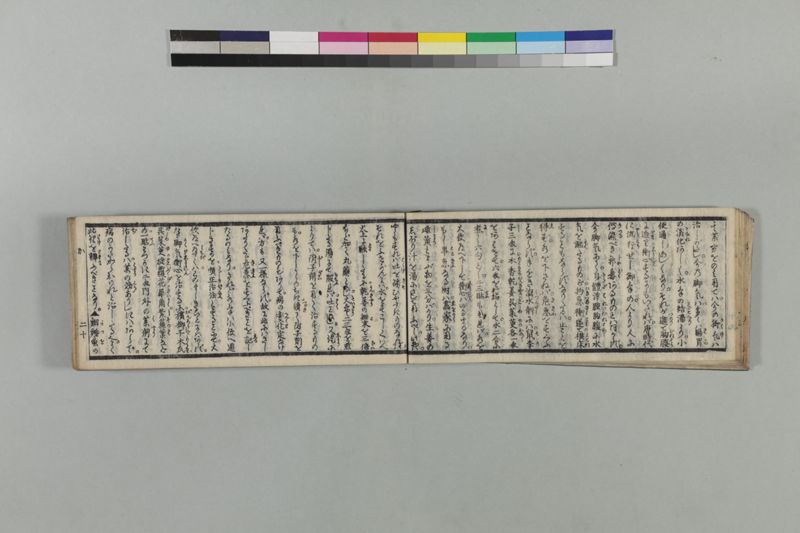
翻刻
其薬方をのみ用ては。今の脚気(かくけ)は
治しがたし。今の脚気は。多くは腸胃(はら)
の消化(こなれ)あしく。水気の結滞(とゞこほり)より。小
便通しあしくなり。それが進(つのり)て胸腹(むねはら)
に迫(せま)り。衝心(しようしん)するにもいたれば。唐時代
に流行(りうこう)せし脚気の。人より人に
伝染(うつる)べき邪毒(じやどく)あるものとは同からず。
今脚気にて。身體浮腫(からだはれ)。胸腹(むねはら)に水
気を潴(たゞへ)たるものが。拘急衝逆(ひきつめさしこみ)て。横床(よこね)
することもならずなりたるは。止ことを
得(え)ず。水を下さねば。危急(ききふ)をすくふ
ことならず。手近き瀉水剤(みづくだし)には。鼠李(そり)
子(し)三匁に。木香(もくかう)。乾姜(かんきやう)。呉茱萸(ごしゆゆ)。各(おの〳〵)一匁
をあはせて。六匁を一貼として。水二合に
煮(に)て六勺とし。二三 貼(てふ)も用れば。水を
大便道へ下して衝心(しようしん)はゆるまるなり。
もし事(こと)急(きふ)なる時は。画家(ゑをかく)に用る
雌黄(しわう)とよぶ物を三分ばかり。生姜の
しぼり汁を湯にさして用ふべし。此物は。
やゝもすれば吐(はくけ)を誘(さそ)ひやすきものなれば。
それをふせがんには。水をすこしくはへ
火上に融(とか)したるに。乾姜(かんきやう)の細末(こ)を三 倍(ばい)
ほど加て丸薬となし。大棗(たいさう)二三匁を煎
じたる湯にて服(もちふ)れば。吐(はく)ことなし。又 證(しよう)に
よりては。附子剤(ぶしざい)を用て治するもの
も。水を下してのちに。続(つゞき)て附子剤を
用ふべきものもありて。病の変化(へんくわ)定なけ
れば。方も又一様ならず。故に此にはさし
あたりたゞ危急(ききふ)をすくふべきことを記(しる)し
たるのみなり。されど水気は小便へ通
じさするを。順正治法(たゞしきぢほふ)とすることにて。大
便道へ導(みちび)くは。このましきことにはあらず。
たゞ脚気(かくけ)衝心(しようしん)を治するに。檳榔子(びんろうじ)。木瓜(もくくわ)。
呉茱萸(ごしゆゆ)。旋覆花(せんぶくげ)。犀角(さいかく)。紫蘇葉(しそのは)など
の。一 貼(てふ)わつかに二匁内外の薬剤(くすり)にて
治(ぢ)したるは。薬(くすり)の効(こう)ありしにはあらで。
病のかたからおのれと治したる也。よく
此 理(わけ)を弁(わきま)ふべきことなり。▲鯝鰹魚(かつを)の
現代語訳
その薬方のみを用いては、今の脚気は治しがたい。今の脚気は、多くは腸胃の消化が悪く、水気の滞りより小便の通りが悪くなり、それが進んで胸腹に迫り、心臓を衝くまでに至れば、唐時代に流行した脚気の人から人に伝染する邪毒があるものとは同じではない。
今の脚気で、身体が浮腫み、胸腹に水気を溜めたものが、引きつけや差し込みで横になることもできなくなったものは、やむを得ず、水を下さなければ危急を救うことができない。手近な瀉水剤には、鼠李子三匁に、木香、乾姜、呉茱萸をそれぞれ一匁を合わせて、六匁を一貼として、水二合で煮て六勺とし、二三貼も用いれば、水を大便に下して衝心は緩まる。
もし事が急な時は、画家が用いる雌黄という物を三分ばかり、生姜の絞り汁を湯に入して用いるべきである。この物は、ややもすれば嘔吐を誘いやすいものなので、それを防ぐには、水を少し加えて火上で溶かしたものに、乾姜の細末を三倍ほど加えて丸薬となし、大棗二三匁を煎じた湯で服用すれば、吐くことはない。
また症によっては、附子剤を用いて治するものも、水を下してから、続いて附子剤を用いるべきものもあって、病の変化は定まらないので、処方もまた一様ではない。故にここではさしあたってただ危急を救うべきことを記したのみである。
されど水気は小便へ通じさせるを正しい治療法とすることで、大便に導くのは好ましいことではない。ただ脚気の衝心を治すのに、檳榔子、木瓜、呉茱萸、旋覆花、犀角、紫蘇葉などの、一貼わずかに二匁内外の薬剤で治したというのは、薬の効果があったのではなくて、病が軽いから自然と治ったのである。よくこの理由を弁別すべきことである。
▲鯝鰹魚(かつお)の
英語訳
Using only those medicinal formulas makes it difficult to cure modern beriberi. Modern beriberi is mostly caused by poor digestion in the intestines and stomach, leading to poor urination due to water retention, and when this progresses to press against the chest and abdomen and even affects the heart, it is not the same as the beriberi that was epidemic during the Tang dynasty, which had evil toxins that could transmit from person to person.
For modern beriberi where the body is swollen with edema and water has accumulated in the chest and abdomen, causing spasms and cramping so severe that one cannot even lie down, there is no choice but to drain the water to save the patient from danger. For a readily available water-draining remedy, combine three monme of buckthorn seeds with one monme each of costus root, dried ginger, and evodia, making six monme as one dose. Boil this in two gō of water down to six shaku, and using two or three doses will drain water through the bowels and relieve the heart pressure.
If the situation is urgent, use about three bu of orpiment (used by painters) with ginger juice added to hot water. Since this substance tends to easily induce vomiting, to prevent this, add a little water and dissolve it over fire, then add about three times as much powdered dried ginger to make pills. Taking these with a decoction of two to three monme of jujube dates will prevent vomiting.
Also, depending on the condition, some cases should be treated with aconite preparations, and some should use aconite preparations after first draining the water. Since the changes in the disease are not fixed, the prescriptions are also not uniform. Therefore, here I have only recorded what should be done to save patients from immediate danger.
However, the proper treatment method is to direct water retention through urination, and leading it to the bowels is not desirable. When treating beriberi with heart involvement using areca nut, chaenomeles fruit, evodia, inula flower, rhinoceros horn, perilla leaves, and other medicines totaling barely two monme per dose, if it is cured, this is not because the medicine was effective, but because the disease was mild and healed naturally. One should well distinguish this reasoning.
▲Bonito fish