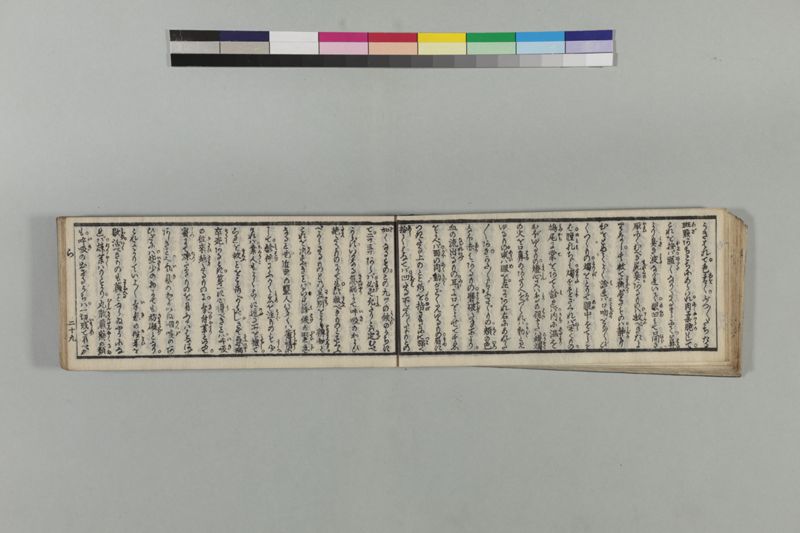
翻刻
うきはれて。色 青(あを)く。ぶつ〳〵たちたる
斑点(あざ)あちこちにあらはれ。肉柔脆(にくやはらか)くして。
これを按(おせ)ば。匾(ひらた)くなりたるまゝにて。口 鼻(はな)
より臭(くさ)き液(しる)ながれいで。眼(め)凹(くぼ)みて口 開(ひら)き。
厭(いとひ)にくむべき屍臭(しびとのか)あるものは。救(すくふ)べきたよ
りなし。其救て蘇(よみがへる)べきものは。静(しづか)に
心をとめてよく診(み)れば。口吻(くちびる)をり〳〵び
くつくもの。燭(ともしび)をとりて眼(めの)中をてらせ
ば。瞳孔(ひとみ)ちゞみ。燭(ともしひ)を遠(とほ)ざくれば開(ひら)くもの。
鳩尾(みづおち)に掌(て)をあてゝ診(み)れば。内(うち)に温(あたゝまり)を
おぼゆるもの。燈心(とうしん)又は鳥(とり)の羽(はね)または蝋燭(らうそく)
の火を口 鼻(はな)のあたりへ近(ちか)づくれば。動(うごく)と見
ゆるもの。或(あるひ)は眼(め)を。左にあれ右にあれかた
〳〵あき。かた〳〵はふさぐもの。頬(ほゝ)の色(いろ)
なほ赤(あか)みあるもの。磨破(すりやぶり)たり所より。
血の流出(ながれいづ)るもの。耳(みゝ)に口をよせて其名
をよべば。面(かほ)の肉(にく)動(うごく)がごとく見ゆるもの。眉(まゆ)に
つきたる上のところを。指(ゆび)さきにて強(つよ)く
按(おし)てはなてば。凹(くぼみ)たる所だん〳〵にもとの
如(ごと)くなるもの。この九ツの候(うかゞひ)のうちに
て。二ツ三ツあらば。必(かなら)ず死(しに)たりとは定(さだ)むべ
からず。いかなる急病(きふびやう)にて呼吸(いき)のかよひ
絶(たえ)さるものにても。此 救(すくふ)べきものとすくふ
べからさるものとの差別(わかち)をよく弁(わきまへ)知(しり)て。
これを決(けつ)すべきことは。これ診候(みわけ)の緊急(だいじ)
なること也。近世の毉人は多くは薄情(はくじやう)に
して。診候(みわけ)にふかく意(こゝろ)を注(そゝぐ)ものも少(すくな)
ければ。素人(しろうと)もよくこゝに述(のぶ)る所を撿(たゞし)て。
これを救(すくふ)ことをこゝろがくべし。さて急病(きふひやう)
卒死(そくし)あるとき。第一に心 得(う)べきことは。呼吸(いき)
の往来(かよい)絶(たえ)たるものに。気付薬(きつけぐすり)といふて。
蜜(みつ)にて煉(ねり)たるものを用ふるははなはだ
あしきこと也。気息(いき)のかよはぬ咽喉(のんど)のあ
ひだには。些少(いさゝか)の物にても妨礙(さまたげ)となり。
これによりていよ〳〵気息(いき)の往来(かよひ)を
歇(とゞめ)。活(いく)べきものも蘇(よみがへる)ことならぬやうにな
れば。煉薬(ねりやく)はもとより。丸散煎薬(ぐわんさんせんやく)の類(るゐ)
も。呼吸(いき)の出ざるうちは。一切 戒(いましめ)て用べか
現代語訳
浮腫があり、色が青く、ぶつぶつと盛り上がった斑点があちこちに現れ、肉が軟らかくして、これを押せば平たくなったままで、口や鼻より臭い液体が流れ出て、眼が凹んで口が開き、嫌悪すべき死臭があるものは、救う手立てがない。
その救って蘇生すべきものは、静かに心を留めてよく診察すれば、口唇がときどきひくつくもの、燭台を取って眼の中を照らせば、瞳孔が縮み、燭台を遠ざければ開くもの、みぞおちに手を当てて診れば、内に温かみを感じるもの、灯心または鳥の羽または蝋燭の火を口や鼻のあたりへ近づければ、動くと見えるもの、あるいは眼を左であれ右であれ片方は開き、片方は塞ぐもの、頬の色になお赤みがあるもの、擦り破れた所より血が流れ出るもの、耳に口を寄せてその名を呼べば、顔の肉が動くように見えるもの、眉についた上のところを指先で強く押して離せば、凹んだ所が段々と元の
ようになるもの。この九つの症候のうちで、二つ三つあれば、必ず死んだとは決めるべきではない。いかなる急病で呼吸が絶えたものでも、この救うべきものと救うべからざるものとの区別をよく弁え知って、これを決すべきことは、これ診断の緊急に大事なことである。
近世の医師は多くは薄情で、診察に深く意を注ぐ者も少ないので、素人もよくここに述べる所を確かめて、これを救うことを心がけるべきである。
さて急病で卒死があるとき、第一に心得るべきことは、呼吸の往来が絶えたものに、気付け薬といって、蜜で練ったものを用いるのは甚だ悪いことである。気息の通わぬ咽喉の間には、わずかな物でも妨げとなり、これによっていよいよ気息の往来を止め、生きるべきものも蘇生することができなくなるので、練り薬はもちろん、丸薬・散薬・煎薬の類も、呼吸の出ないうちは、一切戒めて用いるべきで
英語訳
Those with swelling, blue discoloration, bumpy raised spots appearing here and there, soft flesh that when pressed remains flattened, foul-smelling fluid flowing from mouth and nose, sunken eyes with open mouth, and a detestable corpse odor - these cannot be saved.
Those who can be saved and revived: if you quietly focus your attention and examine them carefully, you will find lips that occasionally twitch; when you take a candle and shine it into the eyes, the pupils contract, and when you move the candle away they open; when you place your hand on the solar plexus and examine, you feel warmth inside; when you bring a lamp wick or bird feather or candle flame near the mouth and nose area, it appears to move; or the eyes - whether left or right - one side opens while the other closes; cheeks that still have some redness; blood flowing from abraded areas; when you put your mouth to the ear and call their name, the facial muscles appear to move; when you press firmly with your fingertip on the area above the eyebrow and release, the depressed area gradually returns to its
original state. Among these nine signs, if two or three are present, you must not necessarily determine that they are dead. No matter what acute illness has caused the breathing to stop, properly distinguishing between those who can be saved and those who cannot, and making this determination, is an urgent and crucial matter in diagnosis.
Most physicians of recent times are callous, and few apply deep attention to diagnosis, so even laypeople should carefully verify what is described here and endeavor to provide rescue.
Now, when there is acute illness with sudden death, the first thing to understand is that for those whose breathing has stopped, using so-called restorative medicines made with honey is extremely harmful. In a throat where breath does not pass, even the slightest substance becomes an obstruction, thereby further blocking the passage of breath and preventing even those who should live from being revived. Therefore, not only honey-based medicines but also pills, powders, and decoctions should be completely avoided while breathing has not returned.