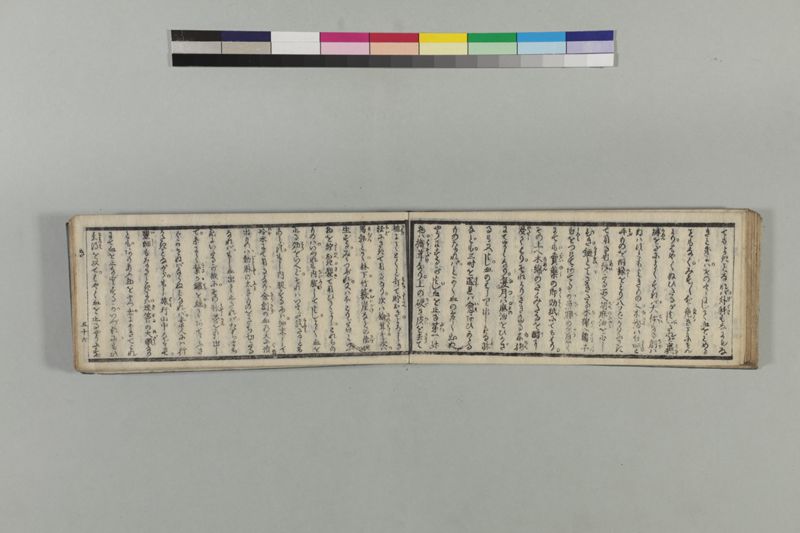
翻刻
てもよきことなれば。外科(げくわ)もなにもな
きときには。そのまゝにして血をとめる
こともなく。みす〳〵命 危(あやう)きことにせん
より。はやくぬひたるがよし。されど裏(まき)
縛(もめん)をだによくすれば。大 体(てい)なる創(きず)は
ぬはずともよきもの也。木綿(もめん)は白 晒(さらし)と
呼(よぶ)ものを両 縁(みみ)をとり八ツばかりにさき
て用る也。縫(ぬひ)たる所へ胡麻油(ごまのあぶら)を少し
ひき。鎹(かすがひ)とて。さきたる木綿(もめん)へ鶏子(たまごの)
白(しろみ)をつけてあてるか。魚膠(にべ)の膏(かう)やく
にても。売薬(ばいやく)の即効紙(そくこうし)にてもはり。
その上へ木綿(もめん)のたゝみたるを醋(す)に
浸(ひたし)てはり。それよりさきたる木綿(もめん)
にてまくなり。夏月(なつ)は麻(ごまの)油をひかざ
るも又よし。血のはしり出したる脉(みやく)
なども。三時を過(すぐ)れば愈(いえ)あひかゝる
ものなれば。とかく血の多く出ぬ
やうにするがよし。血を止る第(だい)一の
物は。檞茸(はゝそだけ)なり。上の硬(かた)き皮(かは)を去(さり)て
槌(つち)にてとくと打(うち)て貯(たくはへ)おき。よろしき
程(ほど)にさきて用るなり。次は楡茸(にれたけ)。其次は。
馬勃(ばぼつ)とて。林下。竹 藪(やぶ)。崖(がけ)などの陰(かげ)に
生ずる。みゝつぶれ。又はほこりだけといふ
物を貯(たくはへ)おき。裂(さき)て用ひてよし。これらの
ものは。いづれも内服(ないふく)してよし。よく血を
止る効(こう)をいへど。それはいまだ試(こゝろみ)たることも
あらず。もし内服するには。細末して
冷(ひや)水にて用るなり。金創(きりきず)の血の大に濆(はき)
出ものは。動脉(どうみやく)の太(ふと)きものをたち切たる
なれば。もし血出て止ざれば。たちまち
死にいたるが故に。その脉管(みやくかん)を引出し
て。糸にて紮(くゝる)か。鉄(てつ)を焼(やき)てあてゝふさ
ぐかせねばならぬことなれば。素人には行
かたきことながら。もし旅(りよ)行山中などにて。
毉師(いし)もなきときには。煙管(きせる)の大頭(ひざら)なり
とも。ありあふ物をまつ赤(か)にやきてこれ
にて血を止などするか。いづれにも此
意得(こゝろえ)を以て。はやく血を止るやうにすべ
現代語訳
てもよいことであるから、外科医もなにもないときには、そのままにして血を止めることもなく、みすみす命が危険なことにするより、早く縫ったほうがよい。しかし包帯をだけでもよくすれば、大体の傷は縫わずともよいものである。
木綿は白晒しと呼ぶものの両端を取り、八つほどに裂いて用いる。縫った所へ胡麻油を少し引き、鎹(かすがい)として、裂いた木綿に鶏卵の白身をつけて当てるか、魚膠の膏薬にても、売薬の即効紙にても貼り、その上へ木綿を畳んだものを酢に浸して貼る。それより裂いた木綿で巻くのである。夏は胡麻油を引かなくてもまたよい。
血の走り出した血管なども、三時間を過ぎれば癒合し始めるものであるから、とにかく血が多く出ないようにするのがよい。
血を止める第一の物は、ハハソダケである。上の硬い皮を去って、槌でよく打って貯蔵しておき、適当な程度に裂いて用いる。次はニレタケ、その次は、馬勃として、林下、竹藪、崖などの陰に生ずる、みみつぶれ、またはほこりだけという物を貯蔵しておき、裂いて用いてよい。
これらのものは、いずれも内服してよい。よく血を止める効果があると言うが、それはまだ試したことはない。もし内服するには、細末して冷水で用いる。
切り傷の血が大いに噴き出るものは、動脈の太いものを切断したのであるから、もし血が出て止まらなければ、たちまち死に至るが故に、その血管を引き出して、糸で縛るか、鉄を焼いて当ててふさぐかしなければならないことであるから、素人には行い難いことながら、もし旅行中の山中などで、医師もないときには、煙管の火皿なりとも、ありあう物を真っ赤に焼いてこれで血を止めるなどするか、いずれにもこの心得を以って、早く血を止めるようにすべきである。
英語訳
Since this is acceptable, when there is no surgeon available, rather than leaving it as is without stopping the bleeding and letting life become endangered, it is better to suture quickly. However, if bandaging alone is done well, most wounds are fine without suturing.
For cotton, use what is called "white bleached cloth," remove both edges, tear it into about eight strips and use. Apply a little sesame oil to the sutured area, and as a clamp, apply torn cotton with egg white, or use fish glue ointment or commercial instant-effect paper as a plaster. Place folded cotton soaked in vinegar on top of this. Then wrap with torn cotton. In summer, it is also good not to apply sesame oil.
Blood vessels that have blood running out will also begin to heal after three hours have passed, so it is best to prevent excessive bleeding in any case.
The foremost substance for stopping bleeding is hahasodake (a type of fungus). Remove the hard skin on top, pound it well with a mallet and store it, tearing it to an appropriate size for use. Next is niretake (elm fungus), and after that is babo (puffball fungus) that grows in the shade of forests, bamboo groves, cliffs, etc., also called mimitsubure or hokoridake. Store these and tear them for use.
All of these can be taken internally. They are said to have good blood-stopping effects, but I have not yet tested this. If taking internally, powder finely and use with cold water.
For blade wounds where blood gushes out greatly, this is because a major artery has been severed, and if the bleeding does not stop, death will occur immediately. Therefore, one must pull out the blood vessel and tie it with thread, or apply heated iron to seal it. While this is difficult for amateurs to perform, if one is traveling in mountains where there are no doctors, one could heat a pipe bowl or any available object until red-hot and use it to stop bleeding. In any case, with this understanding, one should quickly stop the bleeding.