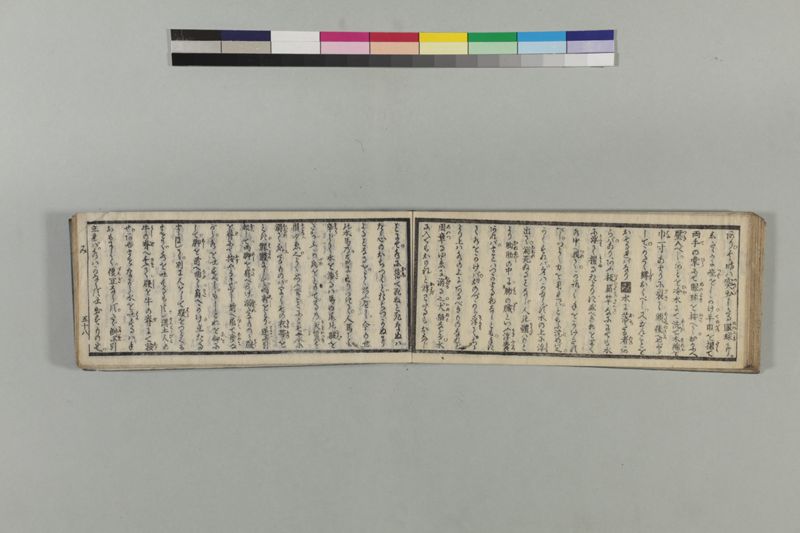
翻刻
あり。其時は突出(つきだ)したる眼球(めのたま)に。
したゝかに唾(つば)をしかけ。手巾(てぬぐひ)を摺(たゝみ)て
両 手(て)の掌(ひら)にて眼球(めのたま)を按(おさ)へて。むかふへ
圧(つき)入べし。あとを冷(ひや)水にて洗(あらひ)て木綿(もめん)を
巾(はゞ)一寸あまりに裂(さき)て。頭後(あたまのうしろ)へめぐら
して。かたく縛(しばり)おくべし。又出んことを
おそるればなりみ【みは白抜文字】水に落(おち)たる者(もの)あ
らば。ありあふ板(いた)。箱(はこ)。竿(さを)。なににても水
に浮(うかみ)て攫(とらゆ)るたよりに成べき物を早く
水中へ投(いれ)て。かろく手をかけさす
べし。つよく力を用れば。ともに沈(しづ)めば也。
かくすれば。身はかならず水の上に浮(うかみ)
出て。溺(おぼれ)死ぬることなし。人の體(からだ)はもと
より胸(むね)肋(あばら)の中に。肺(はい)の臓(ざう)といふ浮(うき)嚢(ふくろ)
あれば。まことはつかまる物なしとも。手に
て水をかけば。おのづから浮(うかみ)て。ちゝ
より上は水の上にあるべきものなれど
周章(あはつ)るゆゑに溺(おぼる)る也。犬(いぬ)猫(ねこ)などが。水
に入てもおのれと游(およぎ)わたるもおなじ
ことにて。水に落(おち)て死ぬと死なぬは。
たゞ心のおちつくと。おちつかぬに
よることなるを。よく思ふべし。今の世
の水馬の。馬に止りつきて。人馬とも
辛(かろう)じて水を渉(わた)るは。馬の尾の腱(すぢ)を
たち。ふか爪(づめ)をとりて。馬の天質(うまれつき)を
損(そこなふ)ゆゑ也。よく思ふべきことにこそ。▲水に
溺(おぼれ)て死(しに)たるものは。早くその衣帯(きるもの)を
とき。髁體(はだか)にして。両 脚(あし)をとり。逆(さかさ)に引
起(おこ)して。両 脚(あし)を肩(かた)へかけ。溺(おぼれ)たるものゝ腹(はら)
を脊(せ)にて按(おす)やうに。少し前へ屈(かゞみ)て歩(あゆみ)な
がら。水を吐すべし。もしこれを仰(あを)に
して。脚(あし)を前へ曲(かゞめ)て。肩(かた)へかけ。立たる
まゝにして。別に人をして腹(はら)をつよくも
ませて。水を吐するもよし。漢土人(もろこしびと)の
牛(うし)の脊(せ)へ乗(のせ)て。腹(はら)を牛の脊(せ)にて按(おさ)
せ。あゆませながら水を吐(はか)するは。手
おもにして。便宜(べんぎ)ならず。たゞ倒(さかしま)に引
立れば。水はかならず吐出すもの也。
現代語訳
ある。その時は突き出した眼球に、しっかりと唾をかけ、手ぬぐいを畳んで両手の手のひらで眼球を押さえて、奥へ押し入れるべきである。その後を冷水で洗って木綿を幅一寸余りに裂いて、頭の後ろへ回して、固く縛っておくべきである。また出てくることを恐れるからである。
み【水難】 水に落ちた者があれば、ありあわせの板、箱、竿、何にでも水に浮いて掴まれる助けになりそうな物を早く水中へ投げ入れて、軽く手をかけさせるべきである。強く力を用いれば、一緒に沈んでしまうからである。こうすれば、身は必ず水の上に浮き出て、溺れ死ぬことはない。人の体はもともと胸や肋骨の中に、肺の臓という浮き袋があるから、実際は掴まる物がなくとも、手で水をかけば、おのずから浮いて、乳首より上は水の上にあるべきものなのだが、慌てるゆえに溺れるのである。犬や猫などが、水に入ってもひとりでに泳ぎ渡るのも同じことで、水に落ちて死ぬか死なないかは、ただ心が落ち着くか、落ち着かないかによることなのを、よく思うべきである。
今の世の水練の指導者が、馬につかまって、人馬ともにかろうじて水を渡るのは、馬の尾の腱を切り、蹄爪を取って、馬の天性を損なうからである。よく考えるべきことである。
▲水に溺れて死んだ者は、早くその衣類や帯を解き、裸にして、両脚を取り、逆さまに引き起こして、両脚を肩へかけ、溺れた者の腹を背中で押すように、少し前へかがんで歩きながら、水を吐かせるべきである。もしこれを仰向けにして、脚を前へ曲げて、肩へかけ、立ったままにして、別の人に腹を強く揉ませて、水を吐かせるのもよい。中国人が牛の背中に乗せて、腹を牛の背中で押させ、歩かせながら水を吐かせるのは、手間がかかって、便利ではない。ただ逆さまに引き立てれば、水は必ず吐き出すものである。
英語訳
This can happen. When this occurs, thoroughly spit saliva on the protruding eyeball, fold a hand towel and press the eyeball with both palms to push it back in. Afterward, wash with cold water and tear cotton cloth into strips about one sun wide, wrap it around the back of the head, and tie it firmly. This is because one fears it may protrude again.
Mi [Water accidents] If someone falls into water, quickly throw any available board, box, pole, or anything that can float on water and serve as something to grab onto into the water, and have them grasp it lightly. If they use too much force, they will sink together with the object. If done this way, the body will necessarily float up on the water and will not drown to death. Since the human body originally has air sacs called lungs within the chest and ribs, in truth even without something to hold onto, if one paddles the water with hands, one will naturally float and everything above the nipples should be above water. However, people drown because they panic. It is the same principle that allows dogs and cats to swim across water naturally when they enter it. Whether one dies or survives after falling into water depends simply on whether the mind remains calm or becomes agitated - this should be well understood.
The reason why modern swimming instructors, clinging to horses, barely manage to cross water with both human and horse struggling, is because they cut the tendons of the horse's tail and remove the hooves, damaging the horse's natural abilities. This should be carefully considered.
▲For those who have drowned to death in water, quickly remove their clothes and belt, strip them naked, grab both legs, lift them upside down, put both legs over the shoulders, bend forward slightly so as to press the drowned person's abdomen with one's back, and walk while making them vomit water. Alternatively, it is also good to lay them face up, bend the legs forward over the shoulders, keep them standing, and have another person strongly massage the abdomen to make them vomit water. The Chinese method of placing them on an ox's back, having the abdomen pressed by the ox's back while walking to make them vomit water, is troublesome and inconvenient. Simply lifting them upside down will necessarily make the water come out.