翻刻
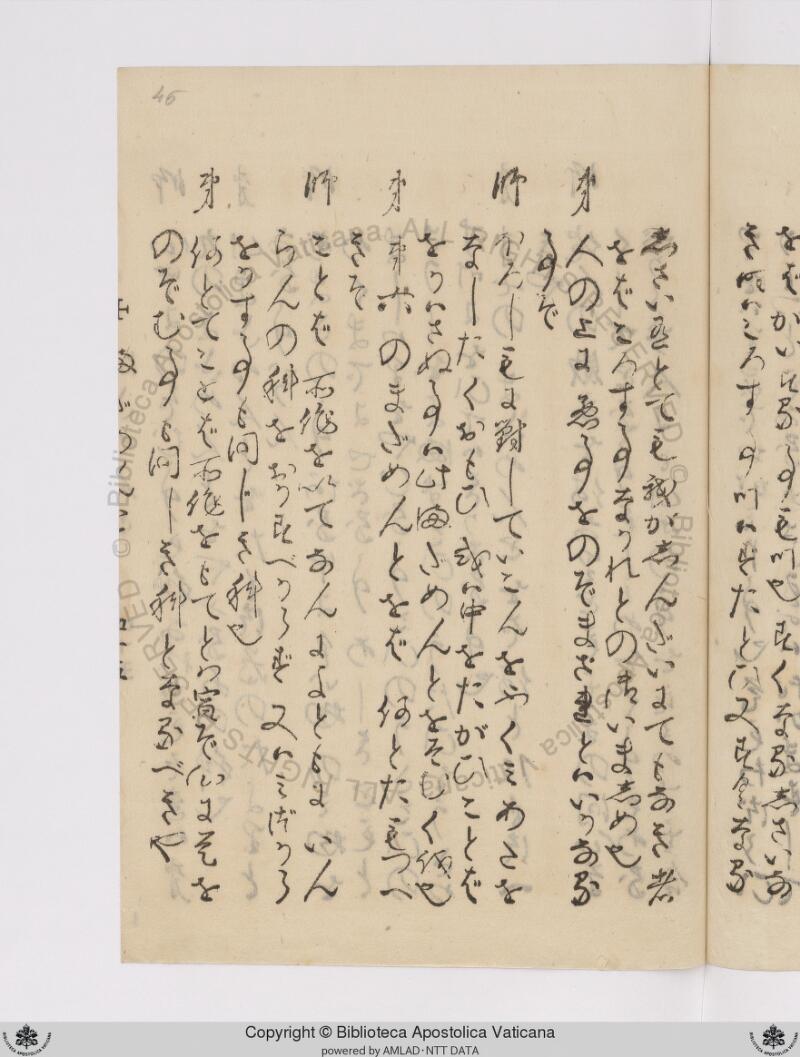
しさい有とても我がしんだいにてもなき者
をばころす事なかれとの御いましめ也
弟 人の上に悪事をもぞまざれとはいかなる
事ぞ
師 ほろしもに対していこんをふくみあたを
なしたくおもひ或は中をたがひことば
をかはさぬ事は此まだめんとをそむく儀也
弟 第六のまだめんとをば何とたもつへ
きそ
師 ことば所作を以てなんによともにいん
らんの科をおかすべからず又はみずから
をかす事も同じき科也
弟 何とてことば所作をもてとは宣ぞ心に是を
のぞむ事も同じき科となるべきや
現代語訳
事情があるとしても我が臣下でもない者を殺してはならないとの御戒めである。
弟子:人の上に悪事を望まざれとはいかなることでしょうか。
師:肉体に対して怒りを含み、仇をなしたく思い、或いは仲を違え言葉を交わさないことは、この掟に背く行為である。
弟子:第六の掟をばどのように保つべきでしょうか。
師:言葉や所作をもって何人とも共に淫乱の罪を犯してはならない。また自らを犯すことも同じき罪である。
弟子:なぜ言葉や所作をもってとおっしゃるのですか。心にこれを望むことも同じき罪となるのでしょうか。
英語訳
Even when there are circumstances, the commandment is that one must not kill those who are not even one's own retainers.
Disciple: What does it mean to not wish evil deeds upon others?
Master: To harbor anger toward the body, to wish to do harm, or to break relationships and cease speaking with others - these acts transgress against this commandment.
Disciple: How should one observe the sixth commandment?
Master: One must not commit the sin of lechery with anyone through words or actions. To commit such acts upon oneself is also the same sin.
Disciple: Why do you say "through words or actions"? Would desiring this in one's heart also constitute the same sin?