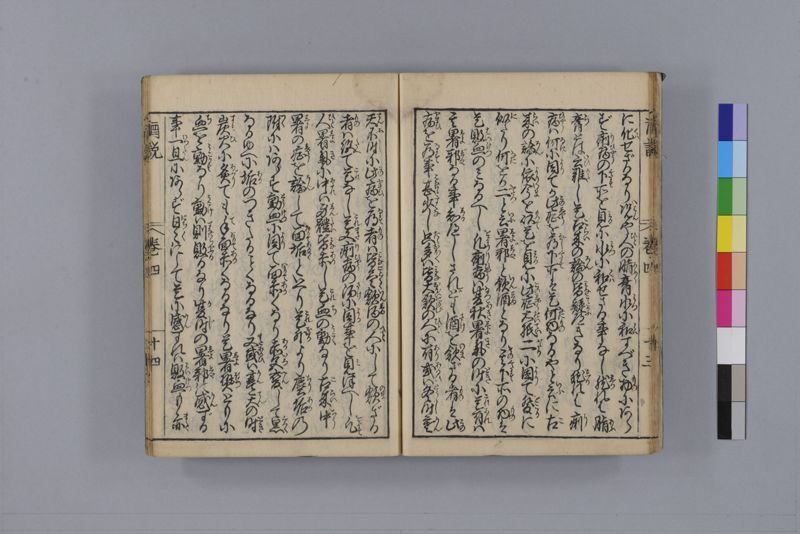
翻刻
【右丁】
に化(くは)せざるなり況(いはん)や人(ひと)の脂膏(あふら)水(みつ)に和(くは)すべき物(もの)にあら
ず痢病(りひやう)の下(くたす)所を見(みる)に水(みつ)に和(くは)せさる事なし然(しか)れは脂(あふ)
膏(ら)とは云(いひ)難(かた)し是 古来(こらい)の論(ろん)の皆(みな)疑(うたかふ)へきなり然(しか)れは痢(り)
病(ひやう)は何(なに)に因(より)てか此症(このしやう)を為(なし)下(くたす)所は是 何物(なにもの)なるやと云(いふ)に古(こ)
来(らい)の論(ろん)に依(より)今(いま)を以(もつて)是を見(みる)に此症(このしやう)大抵(たいてい)似二(ふたり)【注 「ふたつ」ヵ】に因(より)て発(をこる)に
似(に)たり何(なに)をか二(ふたつ)と云(いふ)暑邪(しよじや)と飲酒(いんしゆ)となり其(その)下(くたす)所の物(もの)は
是 敗血(はいけつ)のみなるへし凡(をよそ)痢病(りひやう)は夏(なつ)秋(あき)暑気(しよき)の時(とき)に是(これ)有(あれ)は
其 暑(しよ)邪(じや)なる事 知(しる)へしされども酒(さけ)を飲(のま)ざる者(もの)は此(この)
病(やまひ)を為(なす)事 甚(はなはた)少(すくな)し只(たゝ)多(おほく)は皆(みな)大(おほいに)飲(のむ)の人(ひと)に有(あり)或(あるひ)は冬時(とうし)環寒(かん)
【左丁】
天(てん)不時(ふし)に此病(このやまひ)を為(なす)者(もの)は皆(みな)尽(こと〳〵く)飲酒(いんしゆ)の人(ひと)にして飲(のま)ざる
者(もの)は絶(たへ)て是(これ)なし是又(これまた)痢病(りひやう)の酒(さけ)に因(よる)事を見(み)つへし凡(をよそ)
人(ひと)暑気(しよき)に中(あたれ)は身体(しんたい)皆(みな)赤(あか)し是(これ)血(ち)の動(うこく)なり古来(こらい)中(ちう)
暑(しよ)の症(しやう)を論(ろん)して面(おもて)垢(あかつく)といへり是(これ)外(ほか)より塵垢(ちりあか)の
附(つく)にはあらす動血(とうけつ)に因(より)て面(おもて)赤(あか)くなり赤色(あかいろ)変(へん)して黒(くろく)
なるゆへに垢(あか)のつきたることくなるなり又(また)或(あるひ)は寒天(かんてん)の時(とき)
炭火(すみひ)に灸(あぶり)ても手(て)面(おもて)赤(あか)くなるなり是 暑熱(しよねつ)ともに
血(ち)を動(うこかす)なり動(うこけ)は則(すなはち)敗(やふる)るなり夏時(かじ)の暑邪(しよしや)に感(かん)ずる
事 一旦(いつたん)にあらず日々(にち〳〵)にして是に感(かん)すれは敗血(はいけつ)も亦(また)
現代語訳
【右丁】
水に溶けないのである。まして人の脂膏は水に溶けるはずの物質ではない。痢病で下すものを見ると、水に溶けないことはない。それならば脂膏とは言い難い。これは古来の論がみな疑わしいのである。それでは痢病は何に因ってこの症状をなし、下すところは何物であるかと言うと、古来の論に依って今これを見ると、この症状は大体二つの原因によって発するように思われる。何を二つと言うかというと、暑邪と飲酒である。その下すところの物は、これは敗血のみであろう。およそ痢病は夏秋暑気の時にあるので、その暑邪であることは知るべきである。しかしながら酒を飲まない者はこの病気をすることは甚だ少ない。ただ多くはみな大いに飲む人にある。あるいは冬時の寒い
【左丁】
天候で、時期外れにこの病気をする者は、みなことごとく飲酒の人であって、飲まない者は全くこれがない。これもまた痢病が酒に因ることを見るべきである。およそ人が暑気にあたれば身体がみな赤くなる。これは血が動くのである。古来暑気にあたった症状を論じて「面垢」と言った。これは外から塵垢が付くのではなく、動血によって顔が赤くなり、赤色が変じて黒くなるゆえに、垢が付いたようになるのである。またあるいは寒い日に炭火であぶっても手や顔が赤くなる。これは暑熱ともに血を動かすのである。動けばすなわち敗れるのである。夏時の暑邪に感ずることは一度ではなく、日々にしてこれに感ずれば敗血もまた
英語訳
[Right page]
do not dissolve in water. Moreover, human fatty substances are not materials that should dissolve in water. When we observe what is discharged in dysentery, there is nothing that does not dissolve in water. Therefore, it is difficult to call it fatty substance. This shows that all the ancient theories are questionable. Then, what causes dysentery to produce these symptoms, and what is the substance that is discharged? Based on ancient theories and observing this today, this condition seems to arise from roughly two causes. What are these two? They are heat pathogen and alcohol consumption. What is discharged is probably nothing but corrupted blood. Generally, dysentery occurs during the hot weather of summer and autumn, so we should know that it is due to heat pathogen. However, those who do not drink alcohol very rarely contract this disease. It mostly occurs in people who drink heavily. Or when someone contracts this disease during cold winter
[Left page]
weather, unseasonably, they are all without exception people who drink alcohol, and those who do not drink never have this condition. This also shows that dysentery is caused by alcohol. Generally, when people are affected by heat, their whole body becomes red. This is the movement of blood. Ancient discussions of heat stroke symptoms called it "face grime." This is not grime attached from outside, but the face becomes red due to moving blood, and the red color changes to black, making it appear as if grime has attached. Also, even when warming hands and face by charcoal fire on cold days, they become red. This shows that both heat and warmth move the blood. When it moves, it becomes corrupted. Being affected by summer heat pathogen does not happen just once - when one is affected by it daily, the corrupted blood also