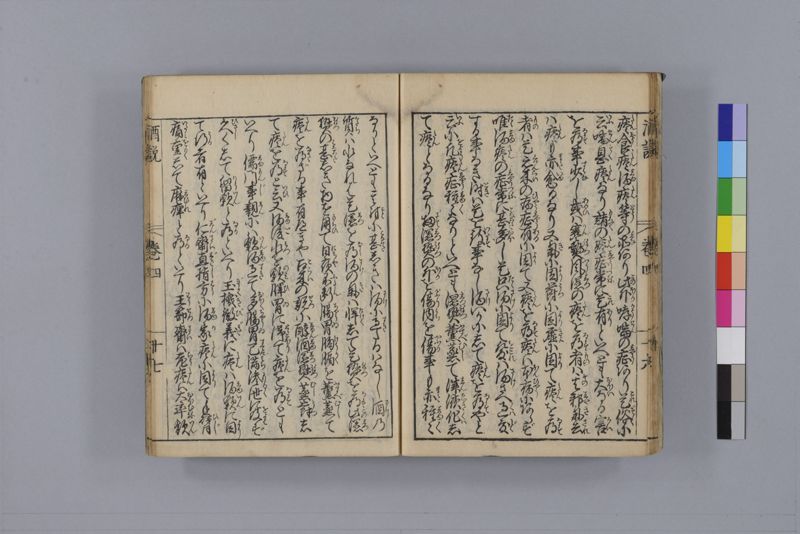
翻刻
【右丁】
痰(たん)食痰(しよくたん)酒痰(しゆたん)等(とう)の品(しな)あり此外(このほか)哮喘(かうせん)の症(しやう)あり是(これ)俗(ぞく)に
云(いふ)喘息痰(せんそくたん)なり諸(もろ〳〵)の痰症(たんしやう)常(つね)に是(これ)有(あり)といへとも大(おほい)なる害(かい)
を為(なす)事 少(すくな)し或(あるひ)は寒熱(かんねつ)風湿(ふうしつ)の痰(たん)を為者(なすもの)は其(その)邪気(しやき)去(され)
は痰(たん)も亦(また)愈(いゆ)るなり又 気(き)に因(より)鬱(うつ)【欝は俗字】に因(より)虚(きよ)に因(より)て痰(たん)を為(なす)
者(もの)は是 元来(くわんらい)の病症(ひやうしやう)有(ある)に因(より)て又 痰(たん)を為(なす)痰(たん)は本病(ほんひやう)にあらず
唯(たゝ)酒痰(しゆたん)の症(しやう)常(つね)に甚(はなはた)多(おほ)し是 只(たゝ)酒(さけ)に因(より)て発(をこれ)は酒(さけ)さへ過度(くはど)
する事なき時(とき)は是を致(いたす)事なし酒(さけ)いかにして痰(たん)を為(なす)やと
云(いふ)に凡(をよそ)痰症(たんしやう)種々(しゆ〳〵)なりといへとも湿熱(しつねつ)薫烝(ふすべむし)て津液化(しんゑきくは)し
て痰(たん)となるなり扨(さて)湿熱(しつねつ)の外(ほか)を傷(やふり)内(うち)を傷(やふる)事も亦(また)種々(しゆ〳〵)
【左丁】
なりといへとも其 殊(こと)に甚(はなはた)しきは酒(さけ)に過(すき)たるはなし酒(さけ)の
質(かたち)は水なれは是 湿(しつ)を為(なし)酒(さけ)の気(き)は悍(たけく)して是 熱(ねつ)を為(なす)此(この)湿(しつ)
熱(ねつ)の甚(はなはた)しき物を用(もちひ)て日夜(にちや)不断(ふたん)腸胃(ちやうゐ)胸膈(けうかく)を薫蒸(ふすべむし)て
痰(たん)を為(なさ)ざる事有へきや古来(こらい)の説(せつ)に醇酒(しゆんしゆ)湿熱(しつねつ)蒸鬱(むしうつ)し
て痰(たん)を為(なす)と云(いひ)又 酒後(しゆご)水(みつ)を飲(のみ)脾胃(ひゐ)に滞(とゝこほり)て痰(たん)を為(なす)とも
いへり儒門(しゆもん)事親(じしん)には飲酒(いんしゆ)過(すき)て多(おほく)腸胃(ちやうゐ)已(すてに)満(みち)滲泄(もるゝ)に及(をよは)ず
久(ひさし)くして留飲(りういん)と為(なる)といへり玉機微義(ぎよくきびぎ)に痰(たん)は酒飲(しゆいん)に因(より)
て得(とる)者有といへり仁斎直指方(じんさいじきしはう)に酒家(しゆか)痰(たん)に因(より)て手 臂(ひじ)
痛(いたみ)重(をもく)して麻痺(しひれ)と為(なる)といへり王節斎(わうせつさい)は老痰(らうたん)は大率(おほむね)飲(いん)
現代語訳
【右丁】
痰、食痰、酒痰等の種類がある。この他に哮喘の症状がある。これは俗に言う喘息痰である。諸々の痰症は常にあるといっても、大きな害を及ぼすことは少ない。或いは寒熱風湿の痰を起こす者は、その邪気が去れば痰もまた治るのである。また気により、鬱により、虚によって痰を起こす者は、これは元来の病症があることによってまた痰を起こすのであり、痰は本来の病気ではない。
ただ酒痰の症状は常に非常に多い。これはただ酒によって起こるので、酒さえ過度にしない時は、これを起こすことはない。酒はいかにして痰を起こすのかと言うと、およそ痰症は種々あるといっても、湿熱が蒸し熱して津液が化して痰となるのである。さて湿熱が外を傷つけ内を傷つけることもまた種々
【左丁】
あるといっても、その特に甚だしいものは酒に過ぎたるものはない。酒の性質は水であるのでこれは湿を為し、酒の気は激烈でこれは熱を為す。この湿熱の甚だしい物を用いて日夜不断に腸胃胸膈を蒸し熱して、痰を起こさないことがあろうか。古来の説に、醇酒は湿熱が蒸鬱して痰を為すと言い、また酒後に水を飲んで脾胃に滞って痰を為すとも言われている。儒門事親には、飲酒が過ぎて多く腸胃が既に満ち、浸透排泄が及ばず、久しくして留飲となると言われている。玉機微義には、痰は酒飲によって得る者があると言われている。仁斎直指方には、酒家は痰によって手臂が痛み重くなって麻痺となると言われている。王節斎は、老痰は大体飲酒
英語訳
[Right page]
phlegm, food phlegm, alcohol phlegm, and other varieties. Besides these, there is the condition of wheezing and panting. This is what is commonly called asthmatic phlegm. Although various phlegm conditions are always present, they rarely cause great harm. Those who develop phlegm from cold-heat or wind-dampness will see their phlegm also heal when the pathogenic qi departs. Also, those who develop phlegm due to qi, stagnation, or deficiency do so because they have underlying pathological conditions that then produce phlegm—phlegm is not the root disease.
However, alcohol phlegm symptoms are consistently very common. Since this is caused solely by alcohol, when alcohol is not consumed excessively, this condition will not occur. How does alcohol produce phlegm? Generally, although there are various types of phlegm conditions, they occur when damp-heat steams and transforms body fluids into phlegm. Now, although damp-heat can injure both exterior and interior in various ways,
[Left page]
none is more severe than that caused by alcohol. The nature of alcohol is water, so it creates dampness; the qi of alcohol is fierce, so it creates heat. Using this substance of extreme damp-heat to continuously steam the intestines, stomach, chest, and diaphragm day and night—how could it not produce phlegm? Ancient theories state that pure alcohol creates phlegm through damp-heat steaming and stagnation, and also that drinking water after alcohol causes stagnation in the spleen and stomach, producing phlegm. The Confucian School's "Caring for Parents" states that excessive drinking fills the intestines and stomach, preventing proper filtration and excretion, eventually becoming fluid retention. "Jade Mechanism Subtle Meanings" says there are those who acquire phlegm through alcohol consumption. "Renzai's Direct Pointing Prescriptions" states that alcohol users develop painful, heavy, and numb arms and hands due to phlegm. Wang Jiezhai says that chronic phlegm is generally from drinking