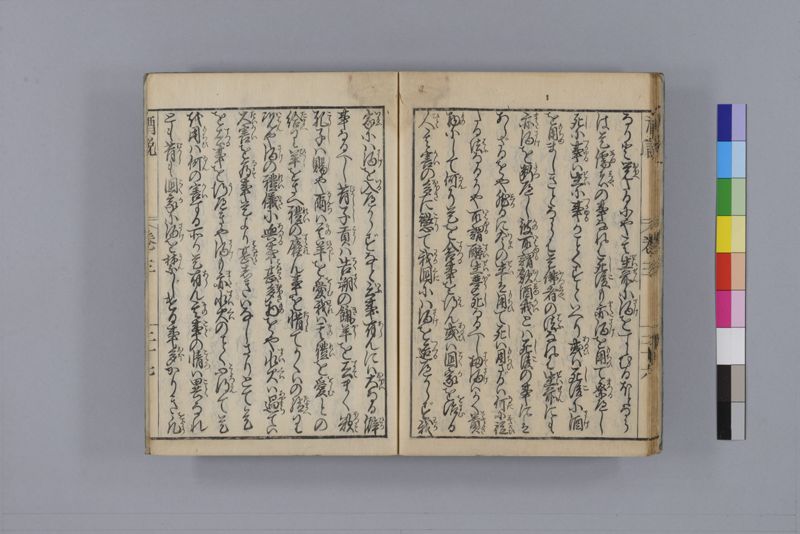
翻刻
【右丁】
なりと覚(おほへ)たるにや其 生前(せいせん)に酒(さけ)をすゝむるほとなら
は是 儒者(しゆしや)の事なれは死後(しこ)も亦(また)酒(さけ)を用(もちひ)て祭(まつる)へし
死(し)に事(つかゆる)は生(せい)に事(つかゆる)かことくすといへり或(あるひ)は死後(しこ)に酒(さけ)
を用(もちゆ)ましきとならは是 仏者(ふつしや)の法(はふ)なれは生前(せいせん)にも
亦(また)酒(さけ)を断(たつ)へし彼(かの)所謂(いはゆる)飲酒戒(おんしゆかい)とは死後(しこ)の事には
あらざるをや然(しか)るに今(いま)の生(せい)は用(もちひ)て死(し)は用(もちひ)ざるは何(なに)に従(したかひ)
たる法(はふ)なるそや所謂(いはゆる)醉生夢死(すいせいぼうし)なるへし扨(さて)酒(さけ)はかく貴(とふとき)
物(もの)にして何(なん)そ是を舎(すつる)事を得(え)ん或(あるひ)は国家(こくか)を治(をさむ)る
人(ひと)其 害(かい)の多(おほき)に懲(こり)て我国(わかくに)には酒(さけ)を造(つくる)へからず我(わか)
【左丁】
家(いゑ)には酒(さけ)を入(いる)へからずなと云(いふ)事 有(あら)んには大(おほい)なる僻(ひか)
事なるへし昔(むかし)子貢(しこう)は告朔(こくさく)の餼羊(きやう)を去(すて)まく欲(ほつす)
孔子(こうし)は賜(し)や爾(なんち)は其(その)羊(ひつじ)を愛(をしむ)我(われ)は其(その)礼(れい)を愛(をしむ)との
給(たまへ)り羊(ひつし)をさへ礼(れい)の廃(すたれ)ん事を惜(おしみ)てかくはの給(たまへ)り
況(いはん)や酒(さけ)の礼儀(れいき)に与(あつかる)事 甚(はなはた)多(おほき)物(もの)をや水火(すいくは)は過(あやまち)ては
大害(たいかい)を為(なす)事是より甚(はなはた)しきはなしさりとて是
を去(すつる)事を得(う)へきや酒(さけ)も亦(また)水火(すいくは)のことく心得(こゝろえ)て是
を用(もちひ)は何(なん)の害(かい)する所か是 有(あら)ん其事(そのこと)の情(こゝろ)は異(こと)なれ
とも昔(むかし)も国家(こくか)に酒(さけ)を禁(きん)じける事 多(おほ)かりき凡(をよそ)
現代語訳
【右丁】
ということなのだろうか。その生前に酒を勧めるほどであるなら、これは儒者の事なのだから、死後もまた酒を用いて祭るべきである。「死に事(つか)うるは生に事うるがごとくす」と言われている。あるいは死後に酒を用いてはいけないというのなら、これは仏者の法なのだから、生前にもまた酒を断つべきである。あの所謂飲酒戒というのは死後の事ではないのだから。しかるに今の世では生きている時は用いて死んでからは用いないのは、何に従った法なのだろうか。所謂「酔生夢死」というべきであろう。さて、酒はこのように貴い物であって、どうしてこれを捨てることができようか。あるいは国家を治める人が、その害の多いのに懲りて、我が国には酒を造ってはならない、我が
【左丁】
家には酒を入れてはならないなどと言うことがあるとすれば、大いなる偏見というべきである。昔、子貢は告朔の餼羊を廃止したいと思った。孔子は「賜よ、お前はその羊を惜しむが、私はその礼を惜しむ」とおっしゃった。羊でさえ礼が廃れることを惜しんでこのようにおっしゃったのである。まして酒が礼儀に関わることの甚だ多い物であるのに。水や火は使い方を誤れば大害をなすことはこれより甚だしいものはない。だからといってこれを捨て去ることができようか。酒もまた水火のように心得て、これを用いれば何の害をなすところがあろうか。その事の情は異なるけれども、昔も国家に酒を禁じたことは多くあった。おおよそ
英語訳
【Right Page】
Is this what they believe? If they encourage drinking wine during one's lifetime to such an extent, then since this is a matter for Confucians, wine should also be used in ancestral rites after death. It is said that "serving in death should be like serving in life." Or if wine should not be used after death, then since this is the law of Buddhists, wine should also be abstained from during life as well. The so-called prohibition against drinking alcohol is not a matter concerning the afterlife. Yet why do people of today use it during life but not after death - what teaching does this follow? This could be called "drunken life, dreaming death." Now, wine being such a precious thing, how could one possibly abandon it? Perhaps those who govern the state, having learned from wine's many harms, might say that wine should not be brewed in our country, wine should not be brought into our
【Left Page】
homes - but this would be a great prejudice. Long ago, Zigong wanted to abolish the sheep sacrifice for the monthly announcement ceremony. Confucius said, "Ci, you regret the loss of the sheep, but I regret the loss of the ritual." Even for a sheep, he spoke thus, regretting that the ritual would fall into disuse. How much more so for wine, which is so deeply involved in matters of propriety and ceremony! When water and fire are misused, nothing can cause greater harm than these. Yet can we therefore abandon them? If wine too is understood like water and fire and used accordingly, what harm could it cause? Though the circumstances differ, in ancient times too there were many instances when states prohibited wine. Generally speaking,