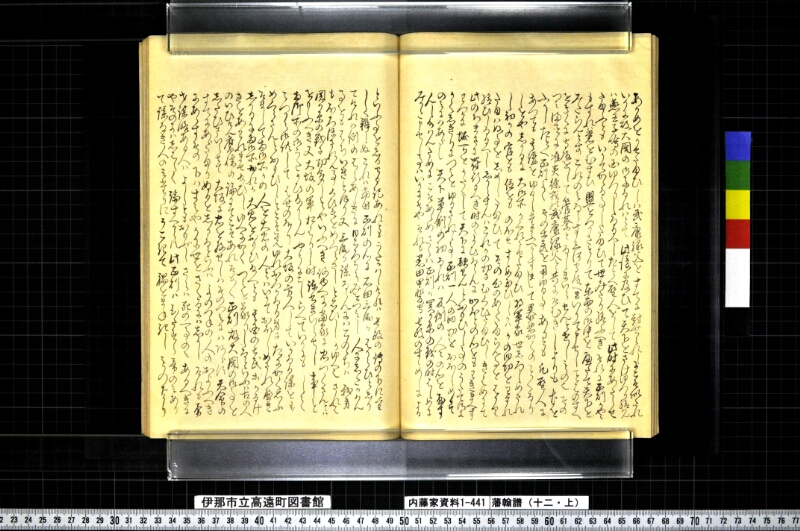
翻刻
《割書:あかめをかせたまひしは武康禄父をすてに封せられしにこそ似たれ|いかに故太閤の御子なれはとて此後に及ひて天下をさけゆつり給はん|は燕王子噲の国ゆつりしなるへしたとへ聖人をして此時にあたらせ|たまふともいかてかゝる事したまひて世にたり給ふへきそれに正則かやゝ|もすれは党をむすひ盟をつかさとりて東西の御中をへたて天下を|みたらんとすこれのみならす三河守殿へまいりて申せしことはのすへ|をきくに守殿をして管蔡となしまいらとなしまいらせんとさしもの也その|つみまことに准夷徐戒の武康禄父と共にそむきしよりもなを|ふかしたとへ正則よくその士民を用ゆる事ありとも凡聖人に|あつても其誅をゆるしたまふへからすまして暴悪かくのことくなり|しをやしかるに大御所かくれたさせたまひ将軍家世しろしめされ|し初かの官をも位をものほせすゝめ玉ひしかはかの旧功をわすれ|たまはぬ事をしめしたまひてその心のあらたまらん事をはかり|給ひしなるへししからすんはこれかの功にむくひたまひしきはめにて|此のちまさに罰行にへき時のたかひならんにかほとの心をもわきまへす|わつかに城へりをかたくして天下に敵せんとおもひし事のうたて御よ|かくしきりにつみをゆるされし事正則一人の旧功をおほしめす|のみにはあはあらし天下草創の初なれは反例の人々心をやす|んし給はんためにこそあらめさらは正則か関か原の戦の時はしめに|みかた申せし事はいかにそやそれも黒田甲斐守長政のすゝめしによる》
《割書:といふ事をしるせる記あれともうたかはしけれは長政の伝の下にくわ|しく弁しぬこれは当時正則の心に石田三成かはからひとしり|てけれは例のはらあしきに日ころうらみをつみし人にしたかはん|事をもはちいきとまり又三成か謀ならんにはこのゝちは 我身|もほろほされん事くひすをめゝつらさしと思ひしかゆへ也されは|関か原の戦に功多しとやいふへき何ゆへに当家に忠つくさんとは|をもふへき又《場所:大坂》の軍おはりし時陣書まいらせし事を|両御所の御うたかひなからんやうにこしらへていかにもして|みつから御供して はせのほり《場所:大坂》の方人していかなる謀をも|めくらさんとおもひしとこそ覚ゆれおろかなる身にたにかく思ふ|そまして両御所かの人を大忠の人とはいかておほしめされへき|しかるに両御所かれか大忠をおもひ給へとも 其の士民等かなけ|きをあわれませ給ひしゆへにかく つみを蒙りしなといふ古の人|のいひけん腐儒の論にてこそあれそも〳〵正則故太閤の御事を|したひまいらせて 《場所:大坂》に忠を存せしはそのつみにはあらす天命の|すてにあらたまりぬるをしりなといふはよのつねの人のおよふへき|にあらすその下はすみやかに世をさくるにはしかしそれも勇|才謀略ある人はよしともおも/ふ(は)しさらは死の一事のみ あるへきに|やそのよはしはらく 論すへからす 此正則は ひたすら勇のみあり|謀なき人のみたりにうこきて 禍をまねきし ものなり》
現代語訳
【割書】明らかな目を向けさせられたのは、武康・禄父がすでに討伐されたのと似ている。どんなに故太閤の御子だからといって、この後に及んで天下を避けて譲り給うというのは、燕王子噲が国を譲ったのと同じであろう。たとえ聖人をしてこの時に当たらせ給うとも、どうしてこのような事をなさって世に立ち給うべきか。それに正則がややもすれば党を結び盟約を交わして東西の御仲を隔て、天下を乱そうとする。これだけでなく三河守殿へ参って申したことは、後を聞くに、守殿をして管・蔡となしまいらせようとしたのである。その罪は実に准夷・徐戎の武康・禄父と共に叛いたよりもなお深い。たとえ正則がよくその士民を用いることがあったとしても、おおよそ聖人にあってもその誅を許し給うべからず、まして暴悪がこのようであったならなおさらである。
しかるに大御所が隠れ給い、将軍家が世を知ろしめされた初めに、かの官も位も昇進させ給うたので、かの旧功をお忘れにならぬことをお示しになって、その心が改まることを図り給うたのであろう。そうでなければ、これがかの功に報い給うた極みで、この後まさに罰を行うべき時の違いであろうに、これほどの心もわきまえず、わずかに城普請を堅固にして天下に敵しようと思った事の憎むべきこと。よくしきりに罪を許された事は、正則一人の旧功をお思いになるのみではあるまい。天下草創の初めなれば、反逆の例となる人々に心を安んじ給わんがためにこそあろう。
さらば正則が関ヶ原の戦の時、初めに味方と申したことはいかなることか。それも黒田甲斐守長政の勧めによる
【割書】という事を記せる記録があれども疑わしいので、長政の伝の下に詳しく弁じた。これは当時正則の心に、石田三成の謀であると知っていたので、例の腹悪しきに日頃恨みを積んだ人に従うことをも恥と思い、また三成の謀であるならば、この後は我が身も滅ぼされることを悔しく面憎いと思ったゆえである。されば関ヶ原の戦に功多しというべきか。何ゆえに当家に忠を尽くそうとは思うべきか。
また大坂の軍が終わった時、陣中書を参らせた事を、両御所の御疑いがないようにこしらえて、いかにもして自ら御供して馳せ上り、大坂の方人としていかなる謀をも巡らそうと思ったとこそ覚ゆれ。愚かな身にさえこう思うのだから、まして両御所がかの人を大忠の人とはいかにお思いになるべきか。
しかるに両御所がその大忠をお思いになれども、その士民等の嘆きを憐れませ給うたゆえにかく罪を蒙ったのだという古人の言ったであろう腐儒の論である。そもそも正則が故太閤の御事を慕い奉って大坂に忠を存したのは、その罪ではない。天命がすでに改まったのを知らないというのは、世の常の人の及ぶべきにあらず、その下は速やかに世を去るにしかし、それも勇・才・謀略ある人はよしとも思うが、さらば死の一事のみあるべきに。やそのよわし、しばらく論ずべからず。この正則は、ひたすら勇のみあり、謀なき人が身の程知らずに動いて禍を招いたものなり。
英語訳
[Marginal note] The enlightenment granted was similar to how Wukang and Lufu had already been punished. No matter how much he was the son of the late Taiko, to avoid and yield the realm at this point would be like when Prince Kuai of Yan yielded his state. Even if a sage were to face this situation, how could such a thing be done while remaining in the world? Moreover, Masanori would form factions and make alliances whenever possible, creating distance between the Eastern and Western lords and seeking to disturb the realm. Not only this, but when he went to visit the Lord of Mikawa, from what was heard later, he sought to make the lord into Guan and Cai. This crime was indeed even deeper than when the Huaiyi and Xurong rebelled together with Wukang and Lufu. Even if Masanori had been good at employing his retainers and people, generally even a sage would not forgive such punishment, much less when such violence and evil were manifest.
However, when the Great Retired Lord passed away and the Shogun began to rule the world, he promoted both rank and position, showing that the old achievements were not forgotten, and likely planned for that heart to be reformed. Otherwise, this would be the culmination of rewarding those achievements, and though it should be time for punishment to follow, without understanding even this much, to think of merely fortifying castle construction and opposing the realm was detestable. The frequent pardoning of crimes was surely not only out of remembrance for Masanori's individual past service. Since this was the beginning of the founding of the realm, it must have been to give peace of mind to those who might become examples of rebellion.
Then what of Masanori's initial declaration of allegiance during the Battle of Sekigahara? This too was said to be due to the advice of Kuroda Kainosuke Nagamasa.
[Marginal note] Though there are records stating this, since it is doubtful, I have examined it in detail under Nagamasa's biography. This was because Masanori knew in his heart at the time that it was Ishida Mitsunari's scheme, so with his usual ill temper, he thought it shameful to follow someone against whom he had harbored daily resentments, and if it was Mitsunari's plot, he thought bitterly and resentfully that his own life would be destroyed afterward. So should we say he achieved great merit in the Battle of Sekigahara? Why should he think to serve our house loyally?
Also, when the Osaka campaign ended, he crafted his military reports so as not to arouse suspicion from both Retired Lords, intending by all means to accompany them personally, rush to Osaka, side with Osaka, and devise any plot. Even a foolish person would think thus, so how much more should both Retired Lords consider that person a man of great loyalty?
However, the theory that both Retired Lords thought of his great loyalty but he incurred such punishment because they pitied the laments of his retainers and people is the argument of pedantic Confucians that ancient people might have made. Originally, that Masanori yearned for the late Taiko and maintained loyalty to Osaka was not his crime. That he did not know that the Mandate of Heaven had already changed is not something ordinary people could comprehend, and such a person should quickly depart from the world. However, even for someone with courage, talent, and strategic ability, this might be acceptable, but then there should only be the single matter of death. But his weakness—let us not discuss this for now. This Masanori had only courage, and being a person without strategy, he moved recklessly beyond his station and brought about disaster.