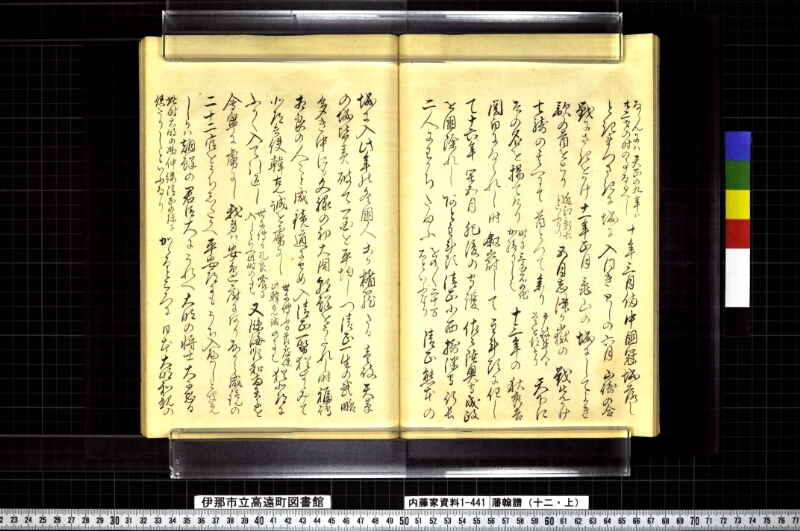
翻刻
《割書:ならんには天正の九年は|廿二才の時の事なるへし》十年三月《場所:備中国》冠城落し
ときまつさきに城に入同きとしの六月山崎の合
戦にさきをかけ十一年賞正月亀山の城にしてよき
敵の首をとり《割書:近江新六|といふあり》五月《場所:志津か嶽》の 戦先かけ
十騎の其一にて 首とつて参り《割書:戸破隼人か|首を得たり》 天下に
その名を揚てけり《割書:時に三千石の地|加給りし也》 十三年の秋秀吉
関白になられし時叙爵して主計頭に任し
て十六年 閏五月 肥後の守護 佐々陸奥守成政
を国除れしあと主計頭清正に小西摂津守行長
二人にわかちたまふ《割書:をの〳〵二十万|石といふなり》 清正《場所:熊本》の
城に入此年の冬国人等か楯蔵たる 壱岐《場所:天草》
の城皆責破て一国を平均しつ清正一生の武略
多き中にも文禄の初太閤《場所:朝鮮》をうたれし時《場所:福嶋》
《場所:相良》の人々と《場所:咸鏡道》にせめ入清正一勢猶すみて
北道兵使韓克誠を虜にし《割書:世に伝ふる節度使|此韓克誠の事也》猶北道に
ふかく入て引返し《割書:世に伝る兀良喰に|入しといふ此時の事也》又臨海順和両王子を
《場所:会寧》に虜にし我身は《場所:安辺府》にありなから《場所:咸鏡》の
二十二官をうちしたかへ《場所:平安道》にもうち入へしと聞え
しかは朝鮮の君臣大にうれへ大明の将士大に恐る
《割書:此時大明の馮仲縷清正の陣に|使たりしといふなり》 かゝるところに 日本大明和親の
現代語訳
【割書:そうであるならば天正九年は二十二歳の時の事であるはずだ】
天正十年三月、備中国冠城を落とした時、真っ先に城に入った。同年六月の山崎の合戦では先駆けを務め、十一年正月には亀山の城で良き敵の首を取った。【割書:近江新六という者である】五月の志津ヶ嶽の戦いでも先駆けし、十騎のうちの一人として首を取って参上した。【割書:戸破隼人の首を得た】天下にその名を揚げた。【割書:この時三千石の地を加給された】
天正十三年の秋、秀吉が関白になられた時、叙爵して主計頭に任じられた。
そして天正十六年閏五月、肥後の守護であった佐々陸奥守成政が国除(改易)された後、主計頭清正と小西摂津守行長の二人に分け与えられた。【割書:おのおの二十万石という】清正は熊本の城に入った。この年の冬、国人等が楯籠もった壱岐・天草の城をみな攻め破って一国を平定した。
清正一生の武略は多いが、中でも文禄の初め、太閤が朝鮮を討たれた時、福島・相良の人々と咸鏡道に攻め入り、清正一勢は更に進んで北道兵使韓克誠を虜にした。【割書:世に伝わる節度使とは、この韓克誠のことである】更に北道に深く入って引き返した。【割書:世に伝わる兀良哈に入ったというのは、この時のことである】また臨海・順和両王子を会寧で虜にし、自身は安辺府にありながら咸鏡の二十二官を打ち従え、平安道にも打ち入るべしと聞こえたので、朝鮮の君臣は大いに憂え、大明の将士は大いに恐れた。【割書:この時大明の馮仲縷が清正の陣に使者として来たという】
そのようなところに、日本と大明の和親の
英語訳
[Marginal note: If so, then the ninth year of Tenshō would have been when he was twenty-two years old]
In the third month of Tenshō 10 (1582), when Kanmuri Castle in Bitchū Province was taken, he was the first to enter the castle. In the sixth month of the same year, at the Battle of Yamazaki, he led the charge. In the first month of Tenshō 11, at Kameyama Castle, he took the head of a worthy enemy. [Marginal note: This was someone called Ōmi Shinroku] In the fifth month, at the Battle of Shizugatake, he led the charge as one of ten horsemen and brought back a head. [Marginal note: He obtained the head of Toha Hayato] Thus he made his name known throughout the realm. [Marginal note: At this time he was granted an additional fief of 3,000 koku]
In the autumn of Tenshō 13 (1585), when Hideyoshi became Kampaku (Imperial Regent), Kiyomasa was granted court rank and appointed as Kazue-no-kami (Master of Accounts).
Then in the intercalary fifth month of Tenshō 16 (1588), after Sassa Mutsu-no-kami Narimasa, the governor of Higo, was removed from his domain, the province was divided between Kazue-no-kami Kiyomasa and Konishi Settsu-no-kami Yukinaga. [Marginal note: Each received 200,000 koku] Kiyomasa entered Kumamoto Castle. In the winter of that year, he attacked and destroyed all the castles in Iki and Amakusa where the local lords had barricaded themselves, thus pacifying the entire province.
Among Kiyomasa's many military exploits throughout his life, most notable was when the Taikō attacked Korea at the beginning of the Bunroku era. Together with men from Fukushima and Sagara, he invaded Hamgyeong Province. Kiyomasa's forces advanced even further and captured the Northern Route Military Commissioner Han Geukseong. [Marginal note: The military governor commonly referred to is this Han Geukseong] He penetrated even deeper into the northern route before withdrawing. [Marginal note: The commonly told story of entering Jurchen territory refers to this time] He also captured the two princes Imhae and Sunhwa at Hoeryeong, and while stationed at Anbyeon Prefecture, he subdued twenty-two counties of Hamgyeong and was said to be ready to invade Pyeongan Province as well. This caused great distress to the Korean court and ministers, and great fear among the Ming generals and soldiers. [Marginal note: At this time, Feng Zhonglü of the Ming came as an envoy to Kiyomasa's camp]
At this point, the peace negotiations between Japan and Ming...