翻刻
178
【右頁上段・写真の説明】
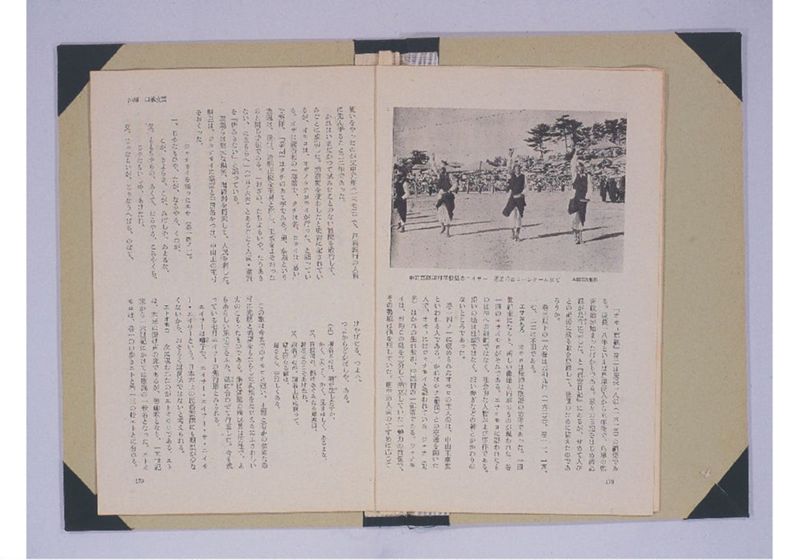
中頭郡勝連村平敷屋のエイサー 浦添市□コーンクールにて 本田安次撮影
【右頁下段】
『オモロ草紙』巻二は慶長一八年(一六一三)の編集であ
る。慶長一八年といえば島津侵入から五年後で、島津の監
督政治が始まったばかりである。家々の日記をはじめ諸記
録が烏有(うゆう)に帰した、と『喜安日記』にあるが、せめて人び
との記憶に残る歌を集録して、後世のために備えたのであ
ろうか。
巻三以下の一六巻は元和九年(一六二三)、巻一一、一四、
一七、二二は不明である。
エサおもろ オモロは最初は歌謡の□称であった。一四
世紀末になると、新しい曲節と内容のものが現われた。巻
一四のエサオモロがそれである。エサオモロに謡われたも
のは神への祈願ではなく、社会的な人物および事件である。
謡いの場は杜嶽(もりたけ)ではなく、祝い寿ぎなどの神とかかわりの
ないところであった。
巻一四ノ一に収められたオモロの主人公は、中山王察度
といわれる人である。かれはシナ(明国)との交通を開いた
人で、オモロにはジャナモイと謡われている。ジャナ(謝
名)はかれの生れ故郷、浦添村の一部落である。ジャナモ
イは、当時この島を三分して鼎立(ていりつ)していた一勢力の首領で、
その勢威は他を圧していた。明王の入貢のすすめに応じて
【左頁上段】
使いをやったのが文中元年(一三七二)で、足利義満の入貢
に先んずること三二年であった。
かれはいまだかつて試みたことのない冒険を敢行して、
みごとに成功した。弟泰期を使わしたと史書に記されてい
るが、オモロは、オザノタチヨモイが行った、と謡ってい
る。オザは読谷村の一部落で、タチは名、ヨモイは「思い」
で美称、「泰期」はタチのあて字である。弟、泰期という
表現は、後世、遣明正使を王□と称し、王□をよそおった
のと同じ手法である。「おざの、たちよもいや、たうあき
ない、はゑらちへ」(一五ノ六六)とあるごとく入貢・進貢
を「唐あきない」と謡っている。
泰期らは莫大な鍋釜、陶磁器を将来して、人民を利した。
明王は、ジャナモイに察度と中国名をつけ、中山王の王号
をおくった。
ジャナモイを謡ったエサ(巻一四ノ一)。
一、じやなもひや、たが、なちやる、くわが、
こが、きよらさ、こが、みぼしや、あよるな、
又、ももちやらの、あくて、おちやる、こちやくち、
じやなもいしゆ、あけたれ、
又、じやなもいが、じやなうへばる、のぼて、
【左頁下段】
けやげたる、つよハ、
つよからどかばしや、ある。
(訳)謝名どのは、誰(た)が生(な)した子か、
かく、美しく、かく、見まほしく、あるよな、
又、百按司の、開けあぐみたる庫裡口、
謝名どのこそあけたれ、
又、謝名どのが、謝名上原に登って、
蹴上げたる露は、
露さえも、芳はしくある。
この歌は今までのオモロと違い、土器と石器の□□た□
村に光明と希望をもたらした英雄をたたえるにふさわしい
□のこもったものである。集団舞踊の構成員は男性で、あ
らあらしい足拍子をふみ、鼓(つづみ)に合わせて行進した。今も残
っている七月エイサーの先行形とみられる。
エイサーは囃子(はやし)で、エイサー・エイサー・サ・ニイサ
ー・エイサーという。日本本土の民俗芸能にも類型が少な
くないから、おそらく無関係ではないと考えられる。
エトオモロ 次に現われたのがエトオモロである。エト
は、本来は掛け声の意であるが、労働歌となり、一五世紀
末から一六世紀にかけては歌謡の一般名となった。エトオ
モロは、巻一〇の歩きエトと巻一三の□エトとに分れる。
沖縄 口承文芸
179
現代語訳
178
【右頁上段・写真の説明】
中頭郡勝連村平敷屋のエイサー 浦添市フォークコンクールにて 本田安次撮影
【右頁下段】
『オモロ草紙』巻二は慶長18年(1613年)の編集である。慶長18年といえば島津侵入から5年後で、島津の監督政治が始まったばかりである。家々の日記をはじめ諸記録が烏有に帰した、と『球陽日記』にあるが、せめて人々の記憶に残る歌を集録して、後世のために備えたのであろうか。
巻三以下の16巻は元和9年(1623年)、巻11、14、17、22は不明である。
エサおもろ オモロは最初は歌謡の総称であった。14世紀末になると、新しい曲節と内容のものが現れた。巻14のエサオモロがそれである。エサオモロに歌われたものは神への祈願ではなく、社会的な人物および事件である。歌いの場は杜嶽ではなく、祝い祭りなどの神とかかわりのないところであった。
巻14の1に収められたオモロの主人公は、中山王察度といわれる人である。彼は中国(明国)との交通を開いた人で、オモロにはジャナモイと歌われている。ジャナ(謝名)は彼の生まれ故郷、浦添村の一部落である。ジャナモイは、当時この島を三分して鼎立していた一勢力の首領で、その勢威は他を圧していた。明王の入貢の勧めに応じて
【左頁上段】
使いを派遣したのが至正元年(1372年)で、足利義満の入貢に先んずること32年であった。
彼はいまだかつて試みたことのない冒険を敢行して、見事に成功した。弟泰期を使わしたと史書に記されているが、オモロは、オザノタチヨモイが行った、と歌っている。オザは読谷村の一部落で、タチは名、ヨモイは「思い」で美称、「泰期」はタチの当て字である。弟、泰期という表現は、後世、遣明正使を王子と称し、王子をよそおったのと同じ手法である。「おざの、たちよもいや、とうあきない、はえらちへ」(15の66)とあるごとく入貢・進貢を「唐商い」と歌っている。
泰期らは莫大な鍋釜、陶磁器を将来して、人民を利した。明王は、ジャナモイに察度と中国名をつけ、中山王の王号を贈った。
ジャナモイを歌ったエサ(巻14の1)。
一、じやなもひや、たが、なちやる、くわが、
こが、きよらさ、こが、みぼしや、あよるな、
又、ももちやらの、あくて、おちやる、こちやくち、
じやなもいしゆ、あけたれ、
又、じやなもいが、じやなうへばる、のぼて、
【左頁下段】
けやげたる、つよハ、
つよからどかばしや、ある。
(訳)謝名どのは、誰が生した子か、
かく、美しく、かく、見たく、あるよな、
又、百按司の、開けあぐみたる庫裡口、
謝名どのこそ開けたれ、
又、謝名どのが、謝名上原に登って、
蹴上げたる露は、
露さえも、芳しくある。
この歌は今までのオモロと違い、土器と石器の時代から抜け出た村に光明と希望をもたらした英雄をたたえるにふさわしい情のこもったものである。集団舞踊の構成員は男性で、荒々しい足拍子を踏み、鼓に合わせて行進した。今も残っている7月エイサーの先行形とみられる。
エイサーは囃子で、エイサー・エイサー・サ・ニイサー・エイサーという。日本本土の民俗芸能にも類型が少なくないから、おそらく無関係ではないと考えられる。
エトオモロ 次に現れたのがエトオモロである。エトは、本来は掛け声の意であるが、労働歌となり、15世紀末から16世紀にかけては歌謡の一般名となった。エトオモロは、巻10の歩きエトと巻13の舞エトとに分かれる。
沖縄 口承文芸
179
英語訳
178
[Right page, upper section - Photo caption]
Eisa of Heshikiya, Katsuren Village, Nakagami District, at Urasoe City Folk Concert. Photographed by Honda Yasuji
[Right page, lower section]
Volume 2 of "Omoro Sōshi" was compiled in Keichō 18 (1613). Keichō 18 was five years after the Satsuma invasion, when Satsuma's supervisory rule had just begun. The "Kyūyō Diary" states that family diaries and various records were reduced to ashes, but perhaps they collected songs that remained in people's memories to preserve them for future generations.
The 16 volumes from volume 3 onward date to Genna 9 (1623), while volumes 11, 14, 17, and 22 are of unknown date.
Esa Omoro: Omoro was originally a general term for songs. At the end of the 14th century, new melodies and content appeared. The Esa Omoro of volume 14 represents this development. What was sung in Esa Omoro was not prayers to gods, but social figures and events. The venue for singing was not at mori-take (sacred groves), but at celebrations and festivals unrelated to gods.
The protagonist of the Omoro collected in volume 14, section 1, is a person known as Chūzan King Satto. He was the one who opened relations with China (Ming Dynasty), and in Omoro he is sung as Jana-moi. Jana (Shana) is a hamlet in Urasoe village, his birthplace. Jana-moi was the leader of one of three powers that divided the island into three parts at that time, and his influence surpassed the others. He responded to the Ming emperor's recommendation for tribute relations
[Left page, upper section]
by sending envoys in Shiseiʹ 1 (1372), 32 years before Ashikaga Yoshimitsu's tribute missions.
He undertook an unprecedented adventure and succeeded magnificently. Historical records state that he sent his younger brother Taiki, but Omoro sings that Oza-no-tachi-yomoi went. Oza is a hamlet in Yomitan village, Tachi is a name, Yomoi is "omoi" (thought) as an honorific, and "Taiki" is phonetic writing for Tachi. The expression "younger brother Taiki" uses the same technique as later calling Ming envoys princes and having them pose as princes. As stated in "oza no, tachi-yomoi ya, tō akinai, haerachie" (15-66), tribute and offerings are sung as "Tang trade."
Taiki and others brought back vast quantities of pots, kettles, and ceramics, benefiting the people. The Ming emperor gave Jana-moi the Chinese name Satto and bestowed upon him the royal title of Chūzan King.
Esa singing of Jana-moi (Volume 14, Section 1):
1. Jyana-mohi ya, taga, nachyaru, kuwa ga,
koga, kiyorasa, koga, mibosha ya, ayoru na,
Again, momo-chyara no, akute, ochyaru, kochyakuchi,
jyana-moi shu, aketare,
Again, jyana-moi ga, jyana-uhe-baru, nobote,
[Left page, lower section]
keyagetaru, tsuyo wa,
tsuyokara-doka-bashi ya, aru.
(Translation) Lord Shana, whose child is he,
So beautiful, so worthy of admiration,
Again, the storehouse entrance that a hundred lords
struggled to open, Lord Shana opened it,
Again, when Lord Shana climbed to Shana-ueharu,
the dew he kicked up,
even the dew is fragrant.
This song differs from previous Omoro, being filled with emotion appropriate for praising a hero who brought light and hope to villages emerging from the age of earthenware and stone tools. The group dance members were men who stomped with rough footwork and marched to drum accompaniment. This appears to be a precursor to the July Eisa that still remains today.
Eisa is a musical accompaniment, with calls of "Eisa, Eisa, Sa, Niisa, Eisa." Since there are many similar forms in Japanese mainland folk performing arts, they are probably not unrelated.
Eto Omoro: Next to appear was Eto Omoro. Eto originally meant a call or shout, but became work songs and from the late 15th to 16th centuries became a general name for songs. Eto Omoro is divided into "walking Eto" in volume 10 and "dancing Eto" in volume 13.
Okinawa Oral Literature
179