翻刻
182
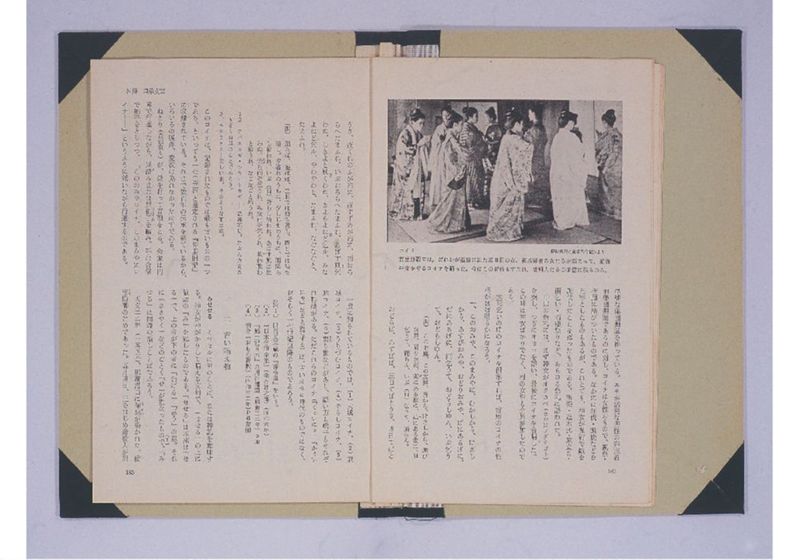
【右頁上段・写真の説明】
コイナ 伊波普猷〈琉球古今記〉より
首里那覇では、だれかが□嫁に出た三日目の夜、親族縁者の女たちが集まって、□□
平安を祈るコイナを踊った。今はこの習俗もすたれ、老婦人たちの記憶に残るのみ。
【右頁下段】
単純な集団舞踊を作っている。エサが活発な男性の非宗教
的集団舞踊であるのに対し、コイナは女性のもので、祝祭・
祈願に結びついたものである。なかには征伐・凱旋などを
内容としたものもあるが、これとても、神女が呪術で敵を
調伏したことを謡ったものである。新築・進水式・旅立ち・
雨乞い・稲穂祭りなど、あらゆる祭礼に謡われた。
中世の祭礼では、まず神女がオタカベ(またはノダテゴト)
を奏し、つぎにオモロを謡い、最後にコイナを合唱した。
この時は神女ばかりでなく、別の女性も全員参加したので
ある。
大雨乞いの時のコイナを例示すれば、古形のコイナの性
格がほぼ明らかになろう。
一、このおみや、このまみやに、むかしから、けさし
から、あすびおみや、おどりおみや、げにあるげに、
だにあるげに、雨乞うて、おどらしゆん、いぶ乞う
て、おどらしゆん。
(訳)このお庭、この真庭、昔から、けさしから、遊び
お庭、踊りお庭、実(げ)にある故に、□にある故に、雨
乞うて、踊らん、いぶ(雨)乞うて、踊らん。
おどらば、あすはば、三日てばとうさ、四日てばと
【左頁上段】
うさ、夜くれのふが内に、夜すずめが内に、雨おろ
ちへたまふれ、いぶおろちへたまふれ、あばす風【1】乞
わぬ、しきよと風【2】くわぬ、きよらよね【3】ど乞れ、みな
よねど乞れ、やわやわと、たまふれ、なごなごと、
たまふれ。
(訳)踊らば、遊はば、三日では待ち遠し、四日では待ち
遠し。夕暮れのうちに、夕しじまのうちに、雨降ろ
し給われ、いぶ(雨)降らし給われ。あばす風は乞
わぬ。美(きよ)ら雨ぞ乞うれ、みな雨ぞ乞うれ、軟(や)わ軟わ
と給うれ、なごなごと給うれ。
12 アバスカゼ・シキヨトカゼ―語義不明。たぶん方向の
きまらぬ風のことであろう。
3 キヨラヨヌ―美しい□、そのような□□□。
このコイナは、記録されたものでは最も古いものの一つ
である。といっても一七〇三年と推定される『仲里旧記』
に収録されている。それまで数百年の伝承を経ているから、
いろいろの脱落、変改は免れなかったはずである。
ねとり(音頭取り)が、鼓を打って音頭をとる。会衆は円
陣で行進しながら、足踏(よ)みまたは足拍子を踏み、手は合□
で拍子をとりつつ、「このおみやコイナ、このまみやにコ
イナ……」というふうに謡いながら行進するのである。
【左頁下段】
一般に知られているものでは、(1)大城コイナ、(2)兼
城コイナ、(3)うりづむコイナ、(4)やらしコイナ、(5)
旅コイナ、(6)東(あが)り世などがあり、謡い方も囃子もそれぞ
れ特徴がある。ただこれらのコイナ(「くゎいにゃ」「かぅい
にゃ」などと表記する)は、古いオモロ時代のものではなく、
おそらく一七世紀以降のものであろう。
注(1)田名□□蔵の『辞令集』をいう。
(2)『日本名筆全集』(金石□之部)(昭和六年)
(3)『風土記日本』九州沖縄篇(昭和三二年)P□□4
(4)拙著『おもろ新釈』(昭和三二年)P45参照
二 古い唱え物
みせせる ミセセルは神のことば、または神語を意味す
す。神女が神がかりして唱える文句で、「せせる」の上に
敬語の「み」を冠したものである。「せせる」は本来は「せ
る」で、上の者が下の者に「告げる」「言う」の意。それ
に「ささやく」などのごとく「せ」が重なったもので【(1)】、「み
せる」は同義の話しことばであろう。
天文二二年(一五五三)、那覇港口に保塁(ほるい)が築かれた。倭(わ)
寇(こう)防御のためであった。五月四日、王をはじめ諸役人が列
沖縄 口承文芸
183
現代語訳
182
【右頁上段・写真の説明】
コイナ 伊波普猷『琉球古今記』より
首里那覇では、誰かが嫁に出た三日目の夜、親族縁者の女たちが集まって、新婚の平安を祈るコイナを踊った。今はこの習俗も廃れ、老婦人たちの記憶に残るのみ。
【右頁下段】
単純な集団舞踊を作っている。エサが活発な男性の非宗教的集団舞踊であるのに対し、コイナは女性のもので、祝祭・祈願に結びついたものである。なかには征伐・凱旋などを内容としたものもあるが、これとても、神女が呪術で敵を調伏したことを歌ったものである。新築・進水式・旅立ち・雨乞い・稲穂祭りなど、あらゆる祭礼で歌われた。
中世の祭礼では、まず神女がオタカベ(またはノダテゴト)を奏し、次にオモロを歌い、最後にコイナを合唱した。この時は神女ばかりでなく、他の女性も全員参加したのである。
大雨乞いの時のコイナを例示すれば、古形のコイナの性格がほぼ明らかになろう。
一、このお宮、この真宮に、昔から、けさしから、遊びお宮、踊りお宮、実にある故に、大にある故に、雨乞うて、踊らせゆん、いぶ乞うて、踊らせゆん。
(訳)このお庭、この真庭、昔から、けさしから、遊びお庭、踊りお庭、実にある故に、大にある故に、雨乞うて、踊らん、いぶ(雨)乞うて、踊らん。
踊らば、遊ばば、三日では待ち遠し、四日では待ち遠し、
【左頁上段】
夜暮れの風が内に、夜雀が内に、雨降ろし給われ、いぶ降ろし給われ、あばす風は乞わぬ、しきよと風は食わぬ、清ら雨ぞ乞れ、みな雨ぞ乞れ、やわやわと、給われ、なごなごと、給われ。
(訳)踊らば、遊ばば、三日では待ち遠し、四日では待ち遠し。夕暮れのうちに、夕静寂のうちに、雨降らし給われ、いぶ(雨)降らし給われ。あばす風は乞わぬ。美しい雨ぞ乞うれ、みな雨ぞ乞うれ、やわやわと給うれ、なごなごと給うれ。
1・2 アバスカゼ・シキヨトカゼ―語義不明。たぶん方向の定まらぬ風のことであろう。
3 キヨラヨヌ―美しい雨、そのような雨のこと。
このコイナは、記録されたものでは最も古いものの一つである。といっても1703年と推定される『仲里旧記』に収録されている。それまで数百年の伝承を経ているから、いろいろの脱落、変改は免れなかったはずである。
ねとり(音頭取り)が、鼓を打って音頭をとる。会衆は円陣で行進しながら、足踏みまたは足拍子を踏み、手は合掌で拍子をとりつつ、「このお宮コイナ、この真宮にコイナ……」というふうに歌いながら行進するのである。
【左頁下段】
一般に知られているものでは、(1)大城コイナ、(2)兼城コイナ、(3)うりづむコイナ、(4)やらしコイナ、(5)旅コイナ、(6)東(あがり)世などがあり、歌い方も囃子もそれぞれ特徴がある。ただこれらのコイナ(「くゎいにゃ」「かういにゃ」などと表記する)は、古いオモロ時代のものではなく、おそらく17世紀以降のものであろう。
注(1)田名親恒蔵の『辞令集』をいう。
(2)『日本名筆全集』(金石文之部)(昭和6年)
(3)『風土記日本』九州沖縄篇(昭和32年)P304
(4)拙著『おもろ新釈』(昭和32年)P45参照
二 古い唱え物
みせせる ミセセルは神の言葉、または神語を意味する。神女が神がかりして唱える文句で、「せせる」の上に敬語の「み」を冠したものである。「せせる」は本来は「せる」で、上の者が下の者に「告げる」「言う」の意。それに「ささやく」などのごとく「せ」が重なったもので、「みせる」は同義の話し言葉であろう。
天文22年(1553)、那覇港口に保塁が築かれた。倭寇防御のためであった。5月4日、王をはじめ諸役人が列
沖縄 口承文芸
183
英語訳
182
[Right page, upper section - Photo caption]
Koina From Iha Fuyū's "Ryūkyū Kokon-ki" (Records of Ryukyu Past and Present)
In Shuri and Naha, on the third night after someone's daughter married out, female relatives and connections would gather to perform Koina praying for the newlyweds' peace. This custom has now died out and remains only in the memories of elderly women.
[Right page, lower section]
[Koina] forms simple group dances. While Esa is a lively non-religious group dance by men, Koina belongs to women and is connected to celebrations and prayers. Some contain content about conquest and triumphant return, but even these sing about priestesses subduing enemies through magical arts. They were sung at all kinds of rituals: house-building, ship launching, departures, rain prayers, rice ear festivals.
In medieval rituals, priestesses first performed Otakabe (or Nodategoto), then sang Omoro, and finally chorused Koina. At this time, not only priestesses but all other women participated as well.
If we examine a Koina for great rain prayer, the character of ancient-form Koina becomes fairly clear.
1. In this shrine, in this true shrine, from ancient times, from this morning, playing shrine, dancing shrine, because it truly exists, because it greatly exists, praying for rain, let us dance, praying for ibu, let us dance.
(Translation) In this courtyard, in this true courtyard, from ancient times, from this morning, playing courtyard, dancing courtyard, because it truly exists, because it greatly exists, praying for rain, let us dance, praying for ibu (rain), let us dance.
If we dance, if we play, three days is too long to wait, four days is too long to wait,
[Left page, upper section]
Within the evening wind, within the evening sparrows, let rain fall down, let ibu fall down, we do not pray for abasu wind, we do not eat shikiyoto wind, pray for beautiful rain, pray for full rain, gently, grant it, peacefully, grant it.
(Translation) If we dance, if we play, three days is too long to wait, four days is too long to wait. Within evening time, within evening stillness, let rain fall, let ibu (rain) fall. We do not pray for abasu wind. Pray for beautiful rain, pray for full rain, gently grant it, peacefully grant it.
1-2 Abasu-kaze, Shikiyoto-kaze - meanings unclear. Probably refers to winds with no fixed direction.
3 Kiyora-yonu - beautiful rain, such rain.
This Koina is one of the oldest recorded examples. Even so, it is recorded in the "Nakazato Kyūki" (Old Records of Nakazato), estimated to be from 1703. Having undergone several centuries of oral transmission before that, it must have suffered various omissions and alterations.
The netori (song leader) beats a drum and leads the singing. The congregation marches in a circle formation, stamping their feet or keeping foot rhythm, clapping hands for rhythm while singing "In this shrine, Koina, in this true shrine, Koina..." as they march.
[Left page, lower section]
Generally known examples include: (1) Ōshiro Koina, (2) Kanegusuku Koina, (3) Urizumu Koina, (4) Yarashi Koina, (5) Tabi Koina, (6) Agari-yu (Eastern World), etc. Each has distinctive singing and accompaniment styles. However, these Koina (written as "kwainya," "kauinya," etc.) are not from the ancient Omoro period but probably from the 17th century onward.
Notes: (1) Refers to Tana Oyakatsu's "Collection of Royal Decrees"
(2) "Complete Collection of Japanese Calligraphy" (Inscriptions Section) (Shōwa 6/1931)
(3) "Topographical Records of Japan: Kyushu-Okinawa Volume" (Shōwa 32/1957) p.304
(4) See my work "New Interpretation of Omoro" (Shōwa 32/1957) p.45
II. Ancient Chants
Miseseru: Miseseru means divine words or divine language. These are phrases chanted by priestesses when possessed by gods, with the honorific "mi" prefixed to "seseru." "Seseru" originally was "seru," meaning for a superior to "tell" or "say" to an inferior. The "se" was doubled as in "sasayaku" (whisper), and "miseru" would be synonymous colloquial speech.
In Tenbun 22 (1553), fortifications were built at Naha harbor entrance to defend against Japanese pirates (wakō). On May 4th, the king and various officials lined up
Okinawa Oral Literature
183