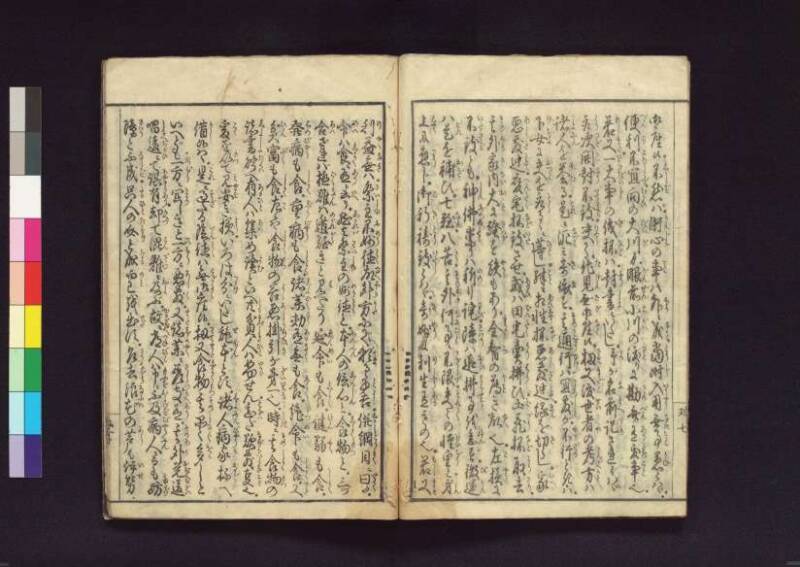
翻刻
御座候。不然(しからず)ば。肝心(かんじん)の事(こと)は外(ほか)に成(なり)。当時(とうじ)入用(いりやう)無事(なきこと)兼(かね)候はゞ。
便利(べんり)不宜(よろしからず)。向(むかひ)の大川(だいが)より。眼前(がんぜん)小川(こがは)の渡(わた)りに勘弁(かんべん)有度(ありたき)事(こと)也。
若(もし)又(また)一大事(いちだいじ)の儀(ぎ)抔(など)は。封書(ふうしよ)にいたし。予(よ)が名前(なまえ)記(しる)され候はゞ
取次(とりつぎ)開封(かいふう)不致(いたさず)。決(けつし)て。他見(たけん)無御座(ござなく)候。扨(さて)又(また)渡世者(とせいしや)の考方(かんがへかた)は
諸人(しよにん)を誉(ほむ)る。是(これ)に泥(なづみ)み【衍】寄依(きゑ)す。其通(そのとをり)行(ゆけ)ば宜敷(よろしき)が。不行(ゆかざる)ときは。
下女(げぢよ)に夫(おつと)を取(とら)るゝに等(ひと)し。殊(こと)に相性(あひしやう)抔(など)悪敷(あしき)迚(とて)。縁(ゑん)を切(き)らし。家(いへ)
悪敷(あしき)迚(とて)。変宅(へんたく)抔(など)致(いた)させ。或(あるひ)は田宅(でんたく)売払(うりはら)ひ。土蔵(どざう)抔(など)取去(とりさり)。
其外(そのほか)家内(かない)大(おゝき)に騒(さはが)す族(やから)もあり。全(まつたく)智(ち)の薄(うす)き故(ゆへ)也。左様(さやう)に
不致(いたさず)とも。神仏(しんぶつの)祟(たゝ)りは祈(いの)り詫(わび)。障(さはり)は追払(おひはらふ)事(こと)を念(ねん)ず。微運(びうん)
は是(これ)を補(おぎな)ひ。七/難(なん)。八/苦(く)。其外(そのほか)何事(なにごと)に不限(かぎらず)。夫々(それ〳〵)の軽重(けいぢう)と。身(しん)
上(しやう)に応(わう)じ。御祈祷(ごきとう)致(いたし)候はゞ。奇妙(きめう)に利生(りしやう)有(ある)もの也。若(もし)又(また)
利益(りゆく)無(なき)は。祭主(さいしゆ)不妙徳(ふめうとく)故(ゆへ)外方(ほかかた)にて頼(たのま)るゝ事(こと)吉(よし)。併(しかし)綱目(こうもく)に曰(いわ)ク(く)。
命(めい)は食(しよく)に有(あり) ̄ト云(いへ)り。然(しかれば)は【衍】祭主(さいしゆ)の妙徳(めうとく)と。本人(ほんにん)の信心(しんじん)と。食物(しよくもつ)と。三ツ
合(あは)ざれば極難(ごくなん)は遁難(のがれがた)きと見(み)へたりに延命(ゑんめい)も食(しよく)。健弱(けんじやく)も食(しよく)。
発病(はつびやう)も食(しよく)。重病(じうびやう)も食(しよく)。諸薬(しよやく)効(こう)有無(あるなし)も食(しよく)。絶命(ぜつめい)も食(しよく)。又(また)
貧冨(ひんぷく)も食(しよく)。左(さ)候はゝ食物(しよくもつ)の善悪(よしあし)掛引(かけひき)が第一也(だいいちなり)。時(とき)に其(その)食物(しよくもつ)の
諸書(しよしよ)貯(たくは)へ有人(あるひと)は集(あつ)め読(よむ)といへ共(とも)貧人(まづしきひと)は如何(いかゞ)せん。甚(はなは)だ歎敷(なげかはしき)事(こと)也。
爰(こゝ)を以(もつ)て見安(みやす)き様(よう)。いろは分(わけ)にいたし施本(せほん)とす。諸人(しよにん)病家(びやうか)抔(など)へ
借(かし)候はゝ。是(これ)に過(すぎ)たる陰徳(いんとく)は無御座(こざなく)候。扨(さて)又(また)食物(しよくもつ)其品々(そのしな〴〵)多(おゝ)しと
いへども一方(いつぽう)に宜(よろ)しきと一方(いつほう)に悪敷(あしく)。又(また)諸薬(しよやく)に差支(さしつかへ)有(あり)。其外(そのほか)覚違(おぼへちがひ)
唱違(となへちがひ)にて誤(あやまり)有(あり)。却(かへつ)て混雑(こんざつ)に及(およ)ぶ。故(かるがゆへ)に常人(つねびと)は申(もふす)に不及(およばず)病人(びやうにん)にても妨(さまたげ)
障(さはり)と不成(ならず)。只(たゞ)人(ひと)の介(たすけ)と成(なる)而巳(のみ)を出(いだ)す。乍去(さりながら)浪花(なには)の芦(あし)も伊勢(いせ)
現代語訳
ございます。そうでなければ、肝心なことが他のことになり、当時必要でないことも兼ねていれば、便利がよろしくない。向こうの大川より、眼前の小川の渡りに配慮したいことである。もしまた一大事の儀などは、封書にして、私の名前を記されれば、取次ぎは開封せず、決して他見はございません。さてまた、渡世者の考え方は諸人を褒める。これに泥んで寄り添う。その通り行けばよろしいが、行かない時は、下女に夫を取られるに等しい。特に相性などが悪いといって縁を切らせ、家が悪いといって転居などをさせ、あるいは田畑や宅地を売り払い、土蔵なども取り除き、その外家内を大いに騒がす者もいる。全く智恵の薄い故である。そのようにしなくとも、神仏の祟りは祈り詫び、障りは追い払うことを念じる。微運はこれを補い、七難八苦、その外何事に限らず、それぞれの軽重と身上に応じ、御祈祷をすれば、奇妙に利生があるものである。もしまた
利益がないのは、祭主の徳が不十分な故で、他方にて頼まれることがよい。しかし綱目に曰く「命は食にあり」と言う。それならば祭主の妙徳と本人の信心と食物と、三つが合わなければ極難は逃れ難いと見えたりに、延命も食、健弱も食、発病も食、重病も食、諸薬の効きの有無も食、絶命も食。また貧富も食。そうであれば食物の善悪の掛け引きが第一である。時にその食物の諸書を蓄えている人は集めて読むといえども、貧しい人はいかがしようか。甚だ嘆かわしいことである。ここをもって見やすいよう、いろは分けにして施本とする。諸人が病家などへ貸せば、これに過ぎた陰徳はございません。さてまた食物その品々は多いといえども、一方によろしきと一方に悪く、また諸薬に差し支えがあり、その外覚え違い、唱え違いにて誤りがあり、かえって混雑に及ぶ。故に常人は申すに及ばず、病人にても妨げ障りとならず、ただ人の助けとなるのみを出す。されながら浪花の芦も伊勢
英語訳
exists. Otherwise, essential matters become secondary, and if one also includes things that are not currently necessary, it becomes inconvenient. From the great river over there, one should be considerate of crossing the small river before one's eyes. If there are matters of great importance, I seal them in letters with my name written on them, so that intermediaries do not open them, and there is absolutely no disclosure to others. Now, the way of thinking of those who make their living [by divination] is to praise everyone. They get mired in this and depend on it. If things go as they say, it would be fine, but when they don't, it's like having one's husband stolen by a maid. Particularly, they say compatibility is bad and have people break off relationships, say the house is bad and have them move, or have them sell off fields and residential land, remove storehouses, and otherwise greatly disturb the household. This is entirely due to shallow wisdom. Even without doing such things, one should pray for forgiveness for divine retribution and focus on driving away obstacles. Poor fortune can be supplemented, and for the seven calamities and eight sufferings, and anything else regardless, if prayers are offered according to their respective severity and one's circumstances, there will be mysteriously beneficial effects. If there are no
benefits, it is because the ritual officiant lacks virtue, so it is better to request this from others. However, the Outline says "Life exists in food." If that is so, unless the ritual officiant's virtue, the person's faith, and food combine as three elements, it appears that extreme difficulties are hard to escape. Longevity depends on food, strength and weakness depend on food, onset of illness depends on food, serious illness depends on food, whether various medicines are effective depends on food, death depends on food. Also, poverty and wealth depend on food. If this is so, the management of good and bad foods is of primary importance. Now, those who have accumulated various books about foods can collect and read them, but what about poor people? This is truly lamentable. Therefore, I arrange this in an easy-to-read format, organized by the Japanese syllabary, and make it a charitable book. If people lend this to sick households and such, there is no greater hidden virtue than this. Now, although there are many varieties of foods, what is good for one aspect may be bad for another, and there may be interference with various medicines. Additionally, there are errors from misremembering or misspeaking, which lead to confusion. Therefore, not only for ordinary people but even for sick people, I include only what helps rather than hinders or obstructs. Nevertheless, even the reeds of Naniwa and those of Ise