翻刻
150
【右頁上段】
一七世紀になると、□然態度を改め、これを迷信と決定、
圧力を加えた。このことはあとでまた触れる。
一 固有信仰と祖先崇敬
さて、琉球の宗教について、はじめて解説を加えたのは、
袋中の『琉球神道記』であろう。明治以後に、近代的解説
を試みたのは折口信夫氏の『琉球の宗教』および『続琉球
神記』であろう。もっとも、その前に、伊波普猷氏の『古
琉球の政有信仰治』があり、その中に、神女の制度の説明がある。
折口氏は、固につき全面的の解説を試みているが、
目標は古代□□にあるらしい。
これら先人の影響のためか、琉球の民間信仰といえば、
現在生きているものには着目せず、すでに残存物にすぎな
いものを、生命のあるもののごとく思いこみ、あるいは島
嶼、僻地にある断片を一般化して記述し、世人の注目を引
く傾きがあるように感じられる。
折口氏は、しかし、祖先崇敬のことを見のがしてはいな
い。
祖先崇拝の形の整ふ原因は暗面から見れば、死霊恐怖
であり、明るい面から見れば、巫女教に伴ふ自然の形
【右頁下段】
で、巫女をはらました神並びに、巫女に神性を考へる
所に始まるのである。……琉球の宗教思想に大勢力の
ある祖先崇拝も、琉球神道の根源とは見られないので
ある。【(1)】
祖先崇拝の盛んな事、其を以て、国粋第一と誇つてゐ
る内地の人々も及ばぬ程である。旧八月から九月にか
けて、一戸から一人づゝ、一門中一かたまりになつて、
遠い祖先の墓や、一族に由縁ある土地、根所、其外の
名所、故跡を巡拝して廻る神拝みといふことをする。
単にこれだけで、醇化せられた祖先崇拝と言ふ事は出
来ない。常にその背後には、墓に対する恐怖と死霊に
対する諂び仕への心持ちが見える。【(2)】
折口氏は、祖先崇拝をもって、巫女教(神女)に伴ふ自
然の形で巫女をはらました神並びに巫女に神性を考へる所
に始まる」と説いているが、不可解の点がある。
古い時代の神はすべて女性として表現されている。また
巫女(神女)はいっさい、祖先の祭礼には関与しない。死は
神女らには穢(けが)れで、禁忌であった、と見られる。女神が神
女をはらますということはどういうことか。その点も不明
瞭である。
【左頁下段】
男性優位の時代になって、初めて男性の神が出現する。
オモロに現われる男性の神は(巻一一ノ七二)、たった一人で
ある。他の神は不可視のもので、神女についた場合、その
女が「神ニナル」が、この男神は遠方から来た神で鈴をつ
けた刀を佩(お)び、威風堂々たる神である。□のような超人的
な人間と解すべきかと思われる(拙著『おもろ新釈』P□□□)。一
八世紀初めに編集された『琉球国由来記』によれば、宮古、
八重山に多くの男性の神がおり、また神の子を生んだ□話
が出てくる。
古代に関するかぎり、折口説は首肯しがたく、ただその
結論「祖先崇拝も琉球神道(固有信仰)の根源とは見られな
い」というのは正しい。固有信仰は、古代のもので、祖先
崇拝は中世のものだからである。中世のものが古代のもの
の根源とはなりえないはずだ。
「旧八月から九月にかけて、一戸から一人づゝ、一門中
一かたまりになつて、遠い祖先の墓」など拝みまわる神拝
みというのがある。
門中のことについては、別項(親族集団の項)を参照され
たいが、死霊恐怖は、祖先崇拝の根本の動機ではないと考
えられる。かりに、折口説のようなら、無知で迷信深い農
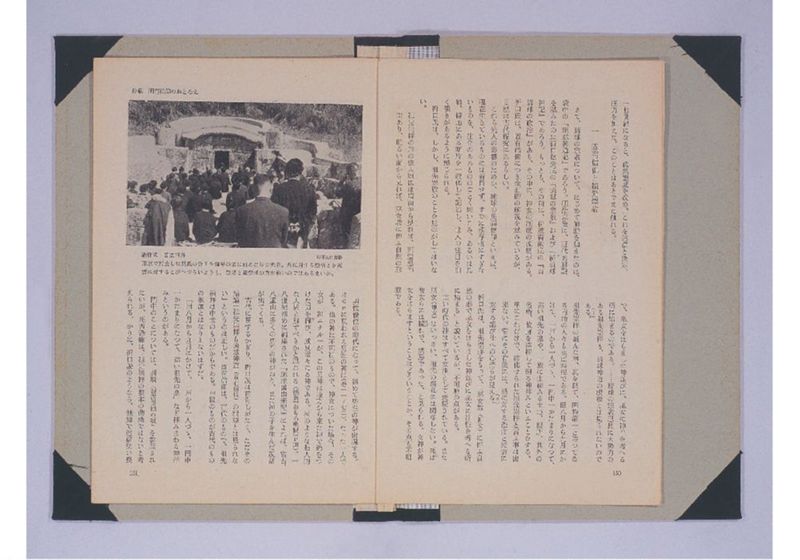
【左頁上段・写真の説明】
納骨式 首里市外 川平□□撮影
東京で死去した某氏の□□を□□の墓に納めた□□□□。墓に対する恐怖とか死
霊に対するこびへつらいよりも、□□と□□□の方が強いのではあるまいか。
沖縄 固有信仰のおとろえ
151
現代語訳
150
【右頁上段】
17世紀になると、態度を急変させ、これを迷信と断定して圧力を加えた。このことは後で再び触れる。
一 固有信仰と祖先崇拝
さて、琉球の宗教について、初めて解説を加えたのは、袋中の『琉球神道記』であろう。明治以後に、近代的解説を試みたのは折口信夫氏の『琉球の宗教』および『続琉球神記』であろう。もちろん、その前に、伊波普猷氏の『古琉球の政治と信仰』があり、その中に、神女の制度の説明がある。折口氏は、固有信仰について全面的な解説を試みているが、目標は古代復元にあるようである。
これら先人の影響のためか、琉球の民間信仰といえば、現在生きているものには着目せず、すでに残存物にすぎないものを、生命のあるもののごとく思い込み、あるいは島嶼、僻地にある断片を一般化して記述し、世人の注目を引く傾向があるように感じられる。
折口氏は、しかし、祖先崇拝のことを見逃してはいない。
祖先崇拝の形の整う原因は暗面から見れば、死霊恐怖
であり、明るい面から見れば、巫女教に伴う自然の形
【右頁下段】
で、巫女を身ごもらせた神並びに、巫女に神性を考える
ところに始まるのである。……琉球の宗教思想に大勢力の
ある祖先崇拝も、琉球神道の根源とは見られないので
ある。【(1)】
祖先崇拝の盛んなこと、それをもって、国粋第一と誇っている
内地の人々も及ばぬほどである。旧暦八月から九月にかけて、
一戸から一人ずつ、一門中一かたまりになって、
遠い祖先の墓や、一族に由縁ある土地、根所、その外の
名所、故跡を巡拝して回る神拝みということをする。
単にこれだけで、純化された祖先崇拝と言うことは出
来ない。常にその背後には、墓に対する恐怖と死霊に
対するへつらいの心持ちが見える。【(2)】
折口氏は、祖先崇拝をもって、巫女教(神女)に伴う自然の形で巫女を身ごもらせた神並びに巫女に神性を考えるところに始まる」と説いているが、不可解な点がある。
古い時代の神はすべて女性として表現されている。また巫女(神女)は一切、祖先の祭礼には関与しない。死は神女らには穢れで、禁忌であった、と見られる。女神が神女を身ごもらせるということはどういうことか。その点も不明瞭である。
【左頁下段】
男性優位の時代になって、初めて男性の神が出現する。オモロに現れる男性の神は(巻一一ノ七二)、たった一人である。他の神は不可視のもので、神女についた場合、その女が「神になる」が、この男神は遠方から来た神で鈴をつけた刀を帯び、威風堂々たる神である。王のような超人的な人間と解すべきかと思われる(拙著『おもろ新釈』P○○○)。18世紀初めに編集された『琉球国由来記』によれば、宮古、八重山に多くの男性の神がおり、また神の子を生んだ物語が出てくる。
古代に関する限り、折口説は首肯しがたく、ただその結論「祖先崇拝も琉球神道(固有信仰)の根源とは見られない」というのは正しい。固有信仰は、古代のもので、祖先崇拝は中世のものだからである。中世のものが古代のものの根源とはなりえないはずだ。
「旧暦八月から九月にかけて、一戸から一人ずつ、一門中一かたまりになって、遠い祖先の墓」など拝み回る神拝みというのがある。
門中のことについては、別項(親族集団の項)を参照されたいが、死霊恐怖は、祖先崇拝の根本の動機ではないと考えられる。かりに、折口説のようなら、無知で迷信深い農
【左頁上段・写真の説明】
納骨式 首里市外 川平○○撮影
東京で死去した某氏の○○を○○の墓に納めた○○○○。墓に対する恐怖とか死霊に対するへつらいよりも、○○と○○○の方が強いのではあるまいか。
沖縄 固有信仰の衰退
151
英語訳
150
【Right Page Upper Section】
In the 17th century, they suddenly changed their attitude, declaring this as superstition and applying pressure. This will be touched upon again later.
I Indigenous Faith and Ancestor Worship
Now, the first to provide commentary on Ryukyuan religion was probably Taichū's "Ryukyu Shinto Ki" (Record of Ryukyuan Shintoism). After the Meiji period, those who attempted modern explanations were probably Orikuchi Shinobu's "Religion of the Ryukyus" and "Continuation of Ryukyuan Divine Records." Of course, before that, there was Iha Fuyū's "Politics and Faith in Ancient Ryukyu," which contains explanations of the priestess system. Orikuchi attempted a comprehensive explanation of indigenous faith, but his goal seems to be ancient reconstruction.
Perhaps due to the influence of these predecessors, when it comes to Ryukyuan folk beliefs, there is a tendency not to focus on what is currently alive, but to think of what are merely remnants as if they were living things, or to generalize and describe fragments found in islands and remote areas to attract public attention.
Orikuchi, however, did not overlook ancestor worship.
The causes for the formation of ancestor worship are, from the dark
side, fear of dead spirits, and from the bright side, the natural form
accompanying priestess religion
【Right Page Lower Section】
where it begins in considering divinity in the gods who impregnated
priestesses and in the priestesses themselves. ...Even the ancestor
worship that has great influence in Ryukyuan religious thought
cannot be seen as the source of Ryukyuan Shintoism (indigenous faith).【(1)】
The flourishing of ancestor worship is so extensive that even
mainland people who pride themselves on being most patriotic
cannot match it. From the old eighth to ninth months,
one person from each household, gathering as one family group,
performs what is called "kami-ogami" - making pilgrimages to
distant ancestral tombs, lands connected to the clan, root places,
and other famous places and historical sites.
This alone cannot be called purified ancestor worship.
Behind it, there is always visible fear of tombs and
feelings of flattery toward dead spirits.【(2)】
Orikuchi explains ancestor worship as "beginning in considering divinity in the gods who impregnated priestesses in the natural form accompanying priestess religion (priestesses) and in the priestesses themselves," but there are incomprehensible points.
Gods of ancient times are all expressed as female. Also, priestesses (priestesses) do not participate in ancestral rituals at all. Death was considered defilement for priestesses and was taboo. What does it mean for a goddess to impregnate a priestess? That point is also unclear.
【Left Page Lower Section】
Only in the era of male dominance do male gods first appear. The male god appearing in Omoro (Volume 11, No. 72) is only one. Other gods are invisible, and when they possess priestesses, those women "become gods," but this male god is a deity who came from afar, wearing a sword with bells, a majestic god. It seems this should be understood as a superhuman person like a king (my work "New Interpretation of Omoro" P○○○). According to the "Ryukyu-koku Yurai-ki" compiled in the early 18th century, there are many male gods in Miyako and Yaeyama, and stories of giving birth to divine children appear.
Regarding ancient times, Orikuchi's theory is hard to accept, but his conclusion that "ancestor worship cannot be seen as the source of Ryukyuan Shintoism (indigenous faith)" is correct. Indigenous faith belongs to ancient times, while ancestor worship belongs to medieval times. Something medieval cannot be the source of something ancient.
There is what is called "kami-ogami" where "from the old eighth to ninth months, one person from each household, gathering as one family group, worships around distant ancestral tombs" and so on.
Regarding family clans, please refer to another section (the section on kinship groups), but fear of dead spirits is not considered the fundamental motive of ancestor worship. If it were as Orikuchi's theory suggests, ignorant and superstitious farmers
【Left Page Upper Section・Photo Caption】
Bone Interment Ceremony Outside Shuri City Photographed by Kawahira ○○
The ○○ of a certain person who died in Tokyo was interred in a ○○ tomb. Rather than fear of tombs or flattery toward dead spirits, wouldn't ○○ and ○○○ be stronger?
Okinawa The Decline of Indigenous Faith
151