翻刻
152
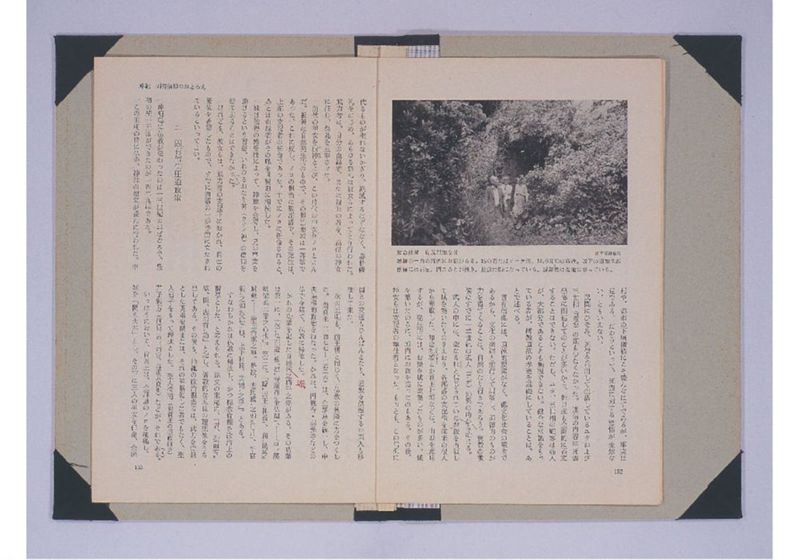
【右頁上段・写真の説明】
知念杜城 島尻郡知念村 川平□□撮影
城跡の一角の高地にお嶽がある。城の石門はアーチ形、15,6世紀の□□。城下の旧知念部
落跡には石垣、門のあとが残り、屋敷は畑になっている。現部落は東地に移っている。
【右頁下段】
村や、都市の下層階級にこそ盛んなはずであるが、事実は
逆である。だからといって、死霊に対する恐怖が全然な
い、ともいえない。
民間にひそみ、死霊を利用して生活しているユタおよび
三世相(易者)の類も少なくなかった。迷信の内容は死霊
恐怖に関連してのことが多いから、折口説も全面的に否定
することはできない。ただし、ユタや三世相の顧客は婦人
が、大部分であることも無視できない。健全な常識をもっ
ている者が、儒教道徳の孝道を基礎にしていることは、あ
とで述べる。
固有信仰には、道徳的要素がなく、低文化社会の□□で
あるから、文化の発達と並行して凋落し、道徳的のものが
力を得てくることは、自然のなり行きであろう。衰微の徴
候はすでに一二世紀の武人(アヂ)勃興の時から始まる。
武人の中には、聖なる杜(もり)と信じられていたお嶽を占領し
て城を築いたものさえおり、各部落の支配権を従来の根人
から奪取した。知念/杜城(もりぐすく)とか首里杜城などは、山城を意味
するが、発生的には、お嶽を城に改築したものが多い。城
を築いたのちに、城内にお嶽を造ったのもある。その後、
神女らは支配者の奉仕者となった。もっとも、この信仰に
【左頁上段】
代るものが生れないかぎり、絶滅するはずはなく、農耕儀
礼をはじめ、あらゆる祭礼は彼女らによってとり行われた。
武力者は、自分の血縁者、または親族の者を、高位の神女
に任じ、祭礼を主宰させた。
前代の神女を根神(ねがみ)とよび、この時代の神女をノロとよん
だ、根神は自然発生的のもので、その担当地域は一部落で
あった。これに反し、ノロの担当は数部落で、その発生は、
上部の支配者の任命であった。すでにノロに任命されると、
あとは血縁者がその□を世襲的に相続した。
妹は独特の感受性によって、神意を会得し、兄の事業を
助けるという習俗、いわゆるおなり神(ウナイ神)の信仰を
捨て去ることはできなかった。【(3)】
けれども、彼女らは、武力者の支配下におかれ、自己の
□□を否認したもので、すでに凋落の一歩手前に立たされ
ているといってよい。
二 固有信仰圧迫政策
沖縄島に仏教が伝わったのは一三世紀の半ばごろで、最
初の統一王国ができたのが一四二九年である。
この王朝の時に仏寺、神社の建立が盛んに行われた。中
【左頁下段】
国との交通もひんぱんとなり、道教を信奉する中国人も移
住して来た。
次の王朝も、前王朝と同じく、仏教の興隆に力をつくし
た。尚真王(一四七七―一五二六)は、全群島を統一し、中
央集権的政治を行なった。かれは、円覚寺・崇元寺などの
仏寺を建て、仏教に帰依した。
かれの功業を記した百浦添之欄干之銘がある。その功業
は第一に、「信_レ仏而造_レ像、建_レ寺而布_二金仏閣_一、……古 ̄ノ漢
明梁武二帝之心也」。第二に、「臨_レ民正_二礼儀_一、利_レ民□_二
□□_一……□□吝□之事。是故、□民□_レ之如_二□□_一、千官
親_レ之如_二父母_一也、上下和睦、其□_レ之乎」。とある。
すなわちかれは仏教に帰依し、かつ儒教倫理を政治上の
指標とした、と考えられる。銘文の末尾に、「君、聖而有_レ
□、臣、忠而有_レ功」と記し、儒教的な君臣の理想像をうち
□してある。その後も、沖縄の政治担当者は、武力を背景
とした英雄豪傑または、それの神格化した者でもなく、聖
人君子をもって理想とした。聖人按司(尚質王の摂政尚享)
君子親方(尚穆王の三司官、与那原良矩)などが、それである。【(4)】
いっぽうにおいて、尚真王は、全群島のノロを組織し、
妹を「聞え大君」とし、その下に三人の神女を任命、全琉
沖縄 固有信仰のおとろえ
153
現代語訳
152
【右頁上段・写真の説明】
知念杜城 島尻郡知念村 川平○○撮影
城跡の一角の高地にお嶽がある。城の石門はアーチ形、15、16世紀の○○。城下の旧知念部落跡には石垣、門の跡が残り、屋敷は畑になっている。現部落は東地に移っている。
【右頁下段】
村や、都市の下層階級にこそ盛んなはずであるが、事実は逆である。だからといって、死霊に対する恐怖が全然ない、とも言えない。
民間にひそみ、死霊を利用して生活しているユタおよび三世相(易者)の類も少なくなかった。迷信の内容は死霊恐怖に関連してのことが多いから、折口説も全面的に否定することはできない。ただし、ユタや三世相の顧客は婦人が、大部分であることも無視できない。健全な常識をもっている者が、儒教道徳の孝道を基礎にしていることは、後で述べる。
固有信仰には、道徳的要素がなく、低文化社会の○○であるから、文化の発達と並行して衰退し、道徳的のものが力を得てくることは、自然の成り行きであろう。衰微の兆候はすでに12世紀の武人(アヂ)勃興の時から始まる。
武人の中には、聖なる杜と信じられていたお嶽を占領して城を築いた者さえおり、各部落の支配権を従来の根人から奪取した。知念杜城(もりぐすく)とか首里杜城などは、山城を意味するが、発生的には、お嶽を城に改築したものが多い。城を築いた後に、城内にお嶽を造ったのもある。その後、神女らは支配者の奉仕者となった。もっとも、この信仰に
【左頁上段】
代わるものが生まれない限り、絶滅するはずはなく、農耕儀礼をはじめ、あらゆる祭礼は彼女らによって執り行われた。武力者は、自分の血縁者、または親族の者を、高位の神女に任じ、祭礼を主宰させた。
前代の神女を根神(ねがみ)と呼び、この時代の神女をノロと呼んだ。根神は自然発生的なもので、その担当地域は一部落であった。これに反し、ノロの担当は数部落で、その発生は、上部の支配者の任命であった。すでにノロに任命されると、後は血縁者がその○を世襲的に相続した。
妹は独特の感受性によって、神意を会得し、兄の事業を助けるという習俗、いわゆるおなり神(ウナイ神)の信仰を捨て去ることはできなかった。【(3)】
けれども、彼女らは、武力者の支配下に置かれ、自己の○○を否認したもので、すでに衰退の一歩手前に立たされているといってよい。
二 固有信仰圧迫政策
沖縄島に仏教が伝わったのは13世紀の半ばごろで、最初の統一王国ができたのが1429年である。
この王朝の時に仏寺、神社の建立が盛んに行われた。中
【左頁下段】
国との交通も頻繁となり、道教を信奉する中国人も移住して来た。
次の王朝も、前王朝と同じく、仏教の興隆に力を尽くした。尚真王(1477―1526)は、全群島を統一し、中央集権的政治を行なった。彼は、円覚寺・崇元寺などの仏寺を建て、仏教に帰依した。
彼の功業を記した百浦添之欄干之銘がある。その功業は第一に、「仏を信じて像を造り、寺を建てて金仏閣を布く、……古の漢明梁武二帝の心なり」。第二に、「民に臨みて礼儀を正し、民を利して○○を○○……○○○○の事。是故、○民○之を○○の如く、千官之を親しむこと父母の如くなり、上下和睦、其○之か」。とある。
すなわち彼は仏教に帰依し、かつ儒教倫理を政治上の指標とした、と考えられる。銘文の末尾に、「君、聖にして○有り、臣、忠にして功有り」と記し、儒教的な君臣の理想像を打ち○してある。その後も、沖縄の政治担当者は、武力を背景とした英雄豪傑または、それの神格化した者でもなく、聖人君子をもって理想とした。聖人按司(尚質王の摂政尚享)君子親方(尚穆王の三司官、与那原良矩)などが、それである。【(4)】
一方において、尚真王は、全群島のノロを組織し、妹を「聞え大君」とし、その下に三人の神女を任命、全琉
沖縄 固有信仰の衰退
153
英語訳
152
【Right Page Upper Section・Photo Caption】
Chinen Morigusku Shimajiri District, Chinen Village Photographed by Kawahira ○○
There is an utaki (sacred place) on the highland of a corner of the castle ruins. The castle's stone gate is arch-shaped, from the 15th-16th centuries ○○. In the ruins of the old Chinen village below the castle, stone walls and gate remains survive, and the residential sites have become fields. The current village has moved to the eastern area.
【Right Page Lower Section】
It should be most prevalent in villages and urban lower classes, but the facts are the opposite. However, this does not mean there is absolutely no fear of dead spirits.
There were not a few yuta (spiritual mediums) and sanseiso (fortune-tellers) who lived hidden among the people, making their living by utilizing dead spirits. Since the content of superstitions is often related to fear of dead spirits, Orikuchi's theory cannot be completely denied. However, it cannot be ignored that the clients of yuta and sanseiso are mostly women. The fact that those with sound common sense base themselves on the filial piety of Confucian morality will be discussed later.
Indigenous faith lacks moral elements and is ○○ of a low-culture society, so it naturally declines parallel to cultural development, and moral elements gain power - this is the natural course of events. Signs of decline already began from the time of the rise of warriors (Aji) in the 12th century.
Among the warriors, there were even those who occupied utaki believed to be sacred groves and built castles there, seizing control of each village from the traditional root people. Chinen Morigusku and Shuri Morigusku mean mountain castles, but genetically, many were reconstructions of utaki into castles. Some built utaki within castles after constructing the castles. Subsequently, the priestesses became servants of the rulers. However, as long as nothing emerged to replace this faith,
【Left Page Upper Section】
it would not become extinct, and all rituals, beginning with agricultural ceremonies, were conducted by them. The warriors appointed their blood relatives or family members as high-ranking priestesses to preside over rituals.
The priestesses of the previous era were called negami (root gods), and the priestesses of this era were called noro. Negami were naturally occurring, and their area of responsibility was one village. In contrast, noro were responsible for several villages, and their emergence was through appointment by higher rulers. Once appointed as noro, blood relatives would hereditarily inherit that ○.
They could not abandon the custom whereby sisters, through their unique sensitivity, comprehended divine will and assisted their brothers' endeavors - the so-called onari-gami (unai-gami) faith.【(3)】
However, they were placed under the control of military rulers and denied their own ○○, so it can be said they were already standing one step before decline.
II Policies of Oppressing Indigenous Faith
Buddhism was transmitted to Okinawa Island around the middle of the 13th century, and the first unified kingdom was established in 1429.
During this dynasty, the construction of Buddhist temples and Shinto shrines was actively carried out. In the
【Left Page Lower Section】
midst of frequent exchanges with China, Chinese who believed in Taoism also immigrated.
The next dynasty, like the previous one, devoted efforts to the prosperity of Buddhism. King Sho Shin (1477-1526) unified all the islands and conducted centralized government. He built Buddhist temples such as Engakuji and Sogenji and converted to Buddhism.
There is an inscription called "Hyakuurasoezuraganmei" that records his achievements. His first achievement was "believing in Buddha and creating images, building temples and establishing golden Buddha pavilions... this is the heart of the ancient Han Ming and Liang Wu emperors." The second was "facing the people and correcting ritual propriety, benefiting the people ○○ ○○... ○○○○ matters. Therefore, ○people ○ treat them like ○○, and thousands of officials treat them intimately like parents, upper and lower are harmonious, is this not ○?"
That is, he is considered to have converted to Buddhism and also made Confucian ethics his political guideline. At the end of the inscription, it records "the ruler is sage and has ○, the retainer is loyal and has merit," expressing the Confucian ideal image of ruler and retainer. Subsequently, Okinawa's political leaders idealized not heroes and champions backed by military force, nor their deified versions, but sage gentlemen. Examples include Sage Aji (Regent Sho Kyo of King Sho Shitsu) and Gentleman Oyakata (Yonahara Yoshinori, sanshikan under King Sho Boku).【(4)】
On the other hand, King Sho Shin organized noro throughout all the islands, made his sister "Kikoe-ogimi," and appointed three priestesses under her, throughout all Ryu-
Okinawa The Decline of Indigenous Faith
153