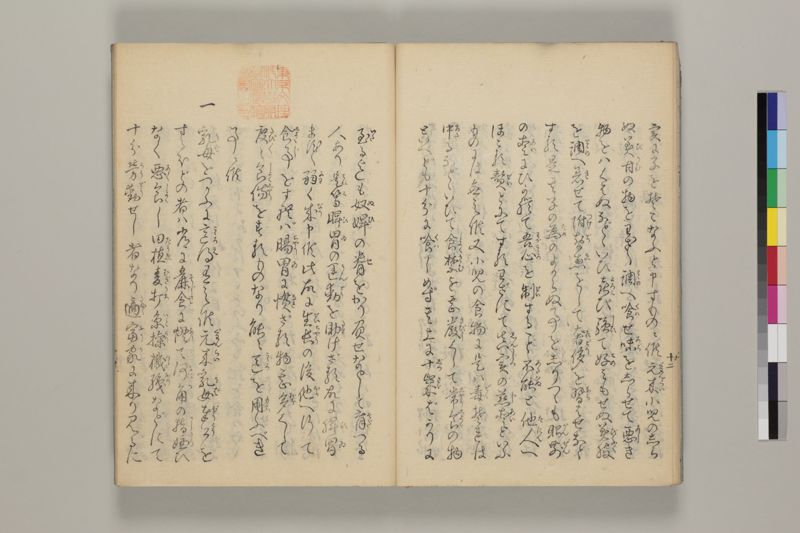
翻刻
実に子をそこなふと申すものに候/元来(くわんらい)小児のしら
ぬ美甘(びかむ)の物をわさ〳〵調(とゝの)へ喰(くは)せ味(あぢ)をしらせて悪(あし)き
物をはくはぬなどゝいひ喜(よろこ)び強(しひ)て好(この)みもせぬ美服(びふく)
を調(とゝの)へ着(き)せて付智恵(つけぢゑ)をして奢侈(おごり)を習(なら)はせなど
する是其子の為(ため)のよからぬ事をしりつゝも眼前(がんぜん)
の愛(あい)にひかれて吾心(わがこゝろ)を制(せい)すること不能(あたはぬ)と他人(たにん)へ
ほこる贅(ぜい)とにてするわざにて真実(しんじつ)の慈愛(じあい)といふ
ものには無之候又小児の食物に是は毒(どく)それは
中(あた)るなどゝいひて食禁(しよくきむ)を甚/厳(きびし)くして常食(じやうしよく)の物
といへども十分に喰(くは)しめず其上に十歳(じつさい)ばかりに
至(いた)る迄も奴婢(ぬひ)の背(せ)をかり負せなとして育(そだ)つる
人あり是等(これら)脾胃(ひゐ)の運動(うんどう)を助(たす)けざる故に脾胃(ひゐ)
ます〳〵弱(よわ)く成(なり)申候此故に生長(せいちやう)の後/他(ほか)へ行て
食事(しよくじ)をすれば腸胃(ちやうゐ)に慣(なれ)ざる物甚/多(おほ)くして
度々(たび〳〵)食傷(しよくしやう)をするものなり能々/意(こゝろ)を用(もち)ふべき
事に候
一/乳母(うば)をつかふに意得(こゝろえ)有之候/元来(ぐわんらい)乳母奉公(うばぼうこう)を
するほどの者は常に麤食(そじき)に慣(なれ)て何角(なにか)の指嫌(さしきら)ひ
なく悪食(あくしよく)し田植(たうゑ)麦打(むぎうち)糸操(いとくり)機織(はたおり)などにて
十分/労動(らうどう)せし者なり適(たま〱)富家(ふうか)に来り見るに
現代語訳
実に子を損なうというものである。元来小児の知らない美味甘味のものをわざわざ調えて食べさせ、味を覚えさせて悪いものは食べないなどと言って喜び、無理に好みもしない美服を調えて着せて知恵をつけて奢侈を習わせたりする。これはその子のためによくないことを知りつつも、目の前の愛にひかれて自分の心を制することができないことと、他人へ誇る贅沢とでするわざであって、真実の慈愛というものではない。また小児の食物にこれは毒、それは当たるなどと言って食事制限を甚だ厳しくして、常食の物といっても十分に食べさせず、その上に十歳ばかりに
至るまでも奴婢の背を借りて負わせるなどして育てる人がある。これらは脾胃の運動を助けないため、脾胃がますます弱くなってしまう。この故に成長した後、他所へ行って食事をすれば腸胃に慣れない物が甚だ多くて、度々食傷をするものである。よくよく注意を用いるべきことである。
一、乳母を使うのに心得がある。元来乳母奉公をするほどの者は常に粗食に慣れて何かの好き嫌いもなく何でも食べ、田植え・麦打ち・糸繰り・機織りなどで十分に労働した者である。たまたま富裕な家に来て見ると
英語訳
This is truly what damages children. Originally, children do not know sweet and delicious foods, yet parents deliberately prepare such foods for them to eat, teach them these flavors, and then rejoice saying "they won't eat bad things." They force children to wear fine clothing they don't even desire, give them artificial wisdom, and teach them luxury. This is done knowing it is not good for the child, yet being drawn by immediate affection and unable to control one's own heart, combined with the desire to show off to others - this is not true compassion. Also, regarding children's food, saying "this is poison" or "that will make you sick," they make dietary restrictions extremely strict, and even with ordinary foods, they don't let children eat sufficiently. Moreover, some people raise children by having servants carry them on their backs until around ten years old.
These practices do not help the function of the spleen and stomach, so the spleen and stomach become increasingly weak. For this reason, after they grow up, when they go elsewhere and eat meals, there are many foods their intestines and stomach are not accustomed to, and they frequently suffer from food poisoning. This is something that requires very careful attention.
First, there are important points to understand about using wet nurses. Originally, those who work as wet nurses are accustomed to simple food, have no particular likes or dislikes, eat anything, and have worked sufficiently through rice planting, wheat threshing, silk reeling, weaving, and such labor. When they happen to come to wealthy households and observe