翻刻
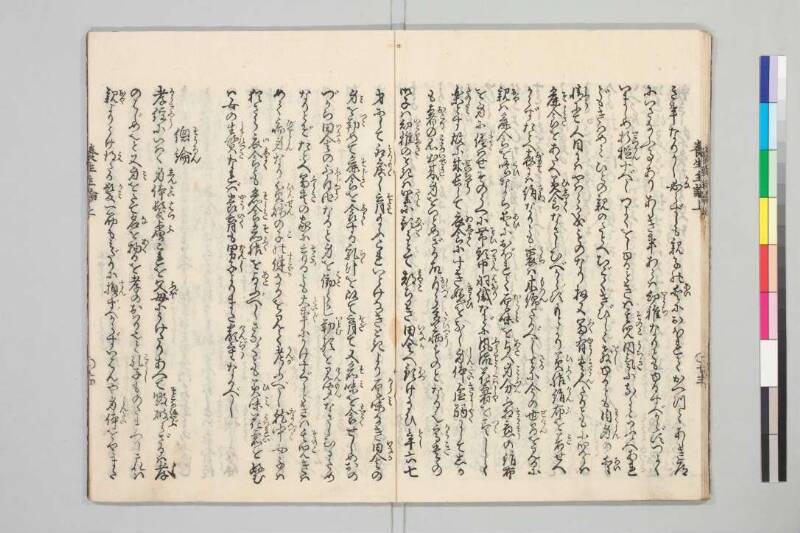
き事なりかし必(かな)らずしも親子の愛(あい)におほれてかへつてあしき道
にいさなふ事ありあしき事あらは幼稚(やうち)なりともゆるすべからずつよく
いましめ折檻(せつかん)すべしつよくをしゆるときは其児内気(そのこうちき)になくといふ人あれ
どもきはめてひとの親のたとへむごくきびしく教(をし)ゆるとも肉身(にくしん)の愛(あい)
情(しやう)にて人目にはやはらか成ものなり扨又/冨有貴人(ふくゆうきにん)たりとも小児には
麤食(そしき)をあたへ美食(ひしよく)なさしむべからずもとより美服絹布(ひふくけんふ)を着(き)せへ
からずたとへ表(おもて)には絹(きぬ)なりとも裏(うら)は木綿(もめん)たるべし去(さる)に今の世間(せけん)を見るに
親(おや)は麤食を喰(くひ)ながら愛(あひ)におぼれて厚味(かうみ)を与(あた)へ身分(みぶん)不 相応(そうわう)の絹布
を身に纏(まと)はせそのうへに帯(おひ)頭巾(つきん)羽織(はをり)などに風流花奢(ふうりうくはしや)を尽(つく)して
楽(たのしみ)とす故に成長(せいちやう)して衣食(ゐしよく)にすき嫌(きらひ)をなし身体虚弱(しんたいきよしやく)にしてしか
も奢(おこり)の心(こゝろ)出来(でき)身をつとめざる故/自(おのづか)ら多病(たびやう)ものとなる也/高貴(かうき)の
御子は幼稚(いとけなき)のときは里(さと)に預(あづく)るとて都(みやこ)ちかき田舎(いなか)へ預(あづ)け給ひ年(とし)六七
才にして取戻(とりもと)し育(そたて)給ふこれいとけなきときより厚味(かうみ)なき田舎(いなか)の
身(み)を勤(つと)めて麤食(そじき)を食(しよく)する乳汁(ちゝ)を以て育(そだ)て又/麤味(そみ)を食(しよく)せしめおの
づから田舎(いなか)の不自由(ふじやう)なると身を働(はた)らかし勤(つとむ)るを見聞(けんもん)なさしむるため
なりとぞたとへ冨貴(ふうき)の家に育(そだつ)るとも大事(たいじ)にかけすぐるときは其児(そのこ)きは
めて病身(びやうしん)なり貧賤(ひんせん)の子(こ)の健(すこやか)なるを見て考(かんが)ふべし就中(なかんづく)女子は
猶さら衣食(いしよく)も麤食麤服(そしきそふく)を与(あた)ふべしさなくとも美味(びみ)花麗(くはれい)を好む
は女の生質(うまれつき)なれば養育(やういく)も男子(なんし)よりまた厳重(けんぢう)なるべし
総論(そうろん)
孝経(かうきやう)にいはく身体髪膚(しんたいはつふ)これを父母(ふぼ)にうけたりあへて毀破(そこなひやぶ)らざるは孝
のはじめ也と又/身(み)をたて名(な)を揚(あく)るを孝のおはり也と孔子(こうし)ものたまへりされは
親(おや)よりうけ得(え)たる髪(かみ)一筋もみだりに損(すん)ずべからずいはんや身体(しんたい)をやまた
現代語訳
き事である。必ずしも親子の愛情に溺れて、かえって悪い道に導くことがある。悪いことがあれば幼い子であっても許すべきではなく、強く戒めて折檻すべきである。厳しく教えると、その子が内気になってしまうという人もいるが、極めて人の親がたとえ無慈悲で厳しく教えても、肉親の愛情があるため、人の目にはやわらかなものである。さて、富裕な貴人であっても小児には粗食を与え、美食をさせてはならない。もともと美しい服や絹布を着せるべきではない。たとえ表は絹であっても、裏は木綿であるべきである。しかし今の世間を見ると、親は粗食を食べながら愛情に溺れて美味を与え、身分不相応な絹布を身に纏わせ、その上に帯、頭巾、羽織などに風流で華やかな装飾を尽くして楽しみとしている。そのため成長して衣食に好き嫌いをし、身体が虚弱になり、しかも奢りの心が生まれ、身を勤めないため、自然と病気がちな者となってしまう。高貴な御子は幼い時は里に預けるといって都に近い田舎へ預け、年六、七歳になって取り戻して育てる。これは幼い時から美味のない田舎で身を勤めて粗食を食べる乳母の乳で育て、また粗食を食べさせ、自然と田舎の不自由さと身を働かせ勤めることを見聞きさせるためである。たとえ富貴の家に育つとしても、大事にかけすぎると、その子は極めて病身となる。貧しい家の子の健やかなのを見て考えるべきである。とりわけ女子は、なおさら衣食も粗食粗服を与えるべきである。そうでなくとも美味や華麗を好むのは女の生まれつきであるから、養育も男子よりもさらに厳重であるべきである。
総論
孝経に言うには、「身体髪膚、これを父母に受けたり、あえて毀り破らざるは孝の始めなり」と、また「身を立て名を揚げるを孝の終わりなり」と孔子も言われている。であるから、親より受け得た髪一筋もみだりに損じるべきではない。いわんや身体をや、また
英語訳
Such matters are important. One must not be overwhelmed by parental love and consequently lead [children] down the wrong path. When there is wrongdoing, even if the child is very young, it should not be forgiven, but one should strongly admonish and discipline them. Some say that strict teaching makes the child withdrawn, but no matter how seemingly harsh and strict a parent's instruction may be, the natural affection of blood relations makes it appear gentle to others' eyes. Now, even if one is a wealthy noble, one should give children simple food and not allow them fine cuisine. Originally, one should not dress them in beautiful clothes or silk fabrics. Even if the outer layer is silk, the lining should be cotton. However, looking at today's society, parents eat simple food while being overwhelmed by love, giving rich flavors to their children and dressing them in silk fabrics inappropriate to their station. Moreover, they take pleasure in adorning belts, headgear, and jackets with elegant and luxurious decorations. As a result, when these children grow up, they become picky about clothing and food, their bodies become weak, and furthermore, a heart of extravagance develops. Because they do not apply themselves to work, they naturally become sickly people. Noble children, when young, are sent to live in the countryside near the capital, then retrieved and raised when they reach six or seven years of age. This is so that from their tender years they may be nourished by the milk of wet nurses who work hard and eat simple food in the countryside, and also eat simple food themselves, naturally experiencing the hardships of rural life and observing people working and laboring with their bodies. Even if raised in a wealthy noble house, when overly pampered, such children become extremely sickly. One should consider this by observing how healthy the children of the poor are. Especially for girls, one should provide even simpler food and clothing. Even without this, loving fine tastes and splendor is women's natural disposition, so their upbringing should be even stricter than that of boys.
General Discussion
The Classic of Filial Piety states: "Our bodies, hair, and skin are received from our parents. Not daring to damage or harm them is the beginning of filial piety," and also "Establishing oneself and raising one's reputation is the end of filial piety," as Confucius also taught. Therefore, one should not carelessly damage even a single hair received from one's parents. How much more so the body, and also