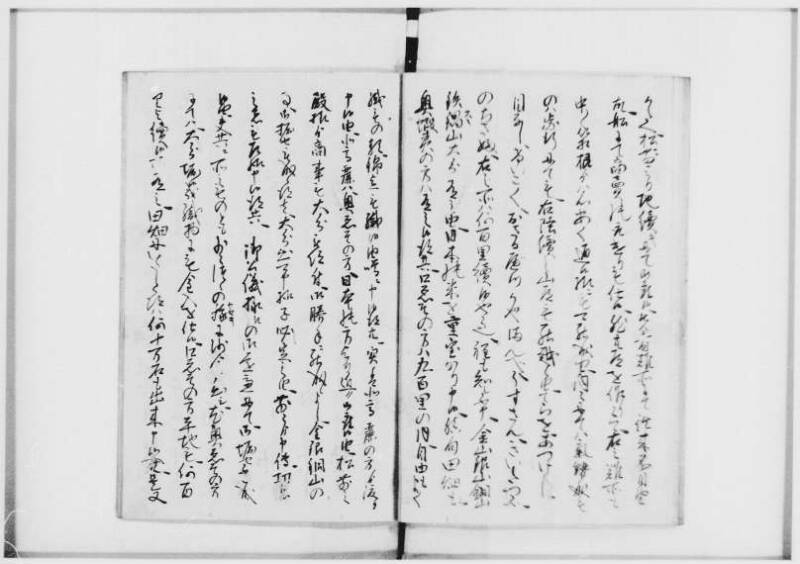
翻刻
【右丁】
かたへ、松前より地續 ̄キにて御座候、先者難所にて往来不自由
故、舩にて商賣の取遣りも仕候、然共道を作り候はヽ、右之難所も
中〳〵箱根ゟは心あく通候様にも可罷成由、内々にては氣勢成も
のは歩行にても、右陸続之山道も罷越候由、てらを、あつけし、
めなし、けいこく、おさるべつかやまんべ、うすさん、きいたつふ、
のちさふ、右之所は何百里續候やる也、程も知 ̄レ不申、金山銀山銅山
鉄/錫(スヽ)山大分有之由、日本の米を重宝かり申候、熊向田畑も
奥蝦夷の方は有之候得共、口ゑその方は九百里の内へ、自由もよく
【左丁】
織もの類、錦迄も織候由噂 ̄ニ申候得共、実は北高麗の方ゟ渡り
申候由、北高麗は、奥ゑその方、日本の方より近 ̄ク御座候由、松前之
殿様ゟ商事も大分被仰付、御勝手 ̄ニ罷成候よし、金銀銅山の
事、御掘せ被成候得は、大分出可申様子必定之由、前々ゟ申傳、功者
之者も左様申候得共 御公儀様 ̄えの御遠慮にて、御堀せ不被成
候由、夫共 ̄ニ所之ものとも少々つゝの稼(カセキ)に沙金は出 ̄シ、尤奥ゑその方
にては、大分堀候哉織物にも金入を仕候、口ゑその方平地も、何百
里と續候所有之、田畑にいたし候得は何十万石も出来申候へ共、是又
現代語訳
【右丁】
(蝦夷の)地へは、松前より陸続きでございます。もっとも難所があって往来が不自由なため、船で商売のやり取りもいたしております。しかし道を作れば、その難所も、箱根よりはよほど楽に通れるようになるだろうとのことです。内々では気力のある者は徒歩でも、右の陸続きの山道を越えて行く者もいるとのことです。てら、厚岸(あつけし)、めなし、けいこく、おさるべつ、かやまんべ、うすさん、きいたつふ、のちさふ、これらの所が何百里と続いているやら、その距離も知れません。金山・銀山・銅山・鉄山・錫山が大分あるとのことです。日本の米を大変重宝がっております。熊のいる田畑も奥蝦夷の方にはございますが、口蝦夷の方は九百里の内において、暮らしも自由でよく……
【左丁】
織物の類、錦までも織るとの噂がございますが、実は北高麗(ほっこうらい)の方より渡ってくるものだとのことです。北高麗は、奥蝦夷の方へは、日本の方からよりも近くございます。松前のお殿様より商売も大分仰せ付けられ、(松前藩の)ご財政にとって大きな助けになっているとのことです。金銀銅山のことは、お掘らせになれば大分産出できる様子は必定とのことで、以前より申し伝えられており、物事に通じた者もそのように申しますが、御公儀様(幕府)へのご遠慮にて、お掘らせになっていないとのことです。それでも土地の者たちが少しずつの稼ぎとして砂金を出しており、もっとも奥蝦夷の方では大分掘るのか、織物にも金入りのものを仕立てております。口蝦夷の方の平地も何百里と続く所があり、田畑にすれば何十万石もできるでしょうが、それもまた……
英語訳
[Right page]
The Ezo territories are connected by land to Matsumae. However, due to difficult terrain that makes travel inconvenient, trade is also conducted by sea. Nevertheless, it is said that if roads were built, even those difficult passes could be made considerably easier to traverse than the Hakone pass. Privately, those with strong spirit and energy are said to cross the mountain paths overland as well. The places known as Tera, Akkeshi, Menashi, Keikoku, Osarubetsu, Kayamanbe, Usuzan, Kiitatsufū, and Nochisafu — how many hundreds of ri these places continue, the distance is beyond knowing. It is said there are considerable deposits of gold, silver, copper, iron, and tin. Japanese rice is considered very precious there. There are also fields where bears roam in the deeper Ezo regions; but in the near Ezo region, within nine hundred ri, the conditions of life are easy and favorable...
[Left page]
...and it is rumored that they weave textiles, even brocade; but in truth, these come from Northern Korea (Hokukorai). Northern Korea is closer to the deeper Ezo regions than it is to Japan proper. The lord of Matsumae has been entrusted with a considerable amount of trade, which greatly benefits the domain's finances. As for the gold, silver, and copper mines, it has long been said — and knowledgeable persons affirm — that considerable quantities could certainly be extracted if mining were permitted; however, out of deference to the Bakufu (the shogunal government), mining has not been carried out. Even so, the local inhabitants extract small amounts of placer gold as their livelihood; and in the deeper Ezo regions in particular, it appears they mine in considerable quantities, as they even weave textiles interwoven with gold thread. In the near Ezo regions, there are flat plains extending for hundreds of ri; if converted to farmland, they could yield hundreds of thousands of koku of rice, but again...